How the Law Banning Booze Accidentally Invented America's Favorite Social Ritual

How the Law Banning Booze Accidentally Invented America's Favorite Social Ritual
In January 1920, the Eighteenth Amendment went into effect and America officially went dry. No more saloons. No more public bars. No more legal manufacture or sale of intoxicating liquors. The temperance movement had spent decades fighting for this moment, and now it had arrived.
What happened next was not what anyone expected.
Drinking didn't stop. It moved. And in moving, it accidentally invented one of the most enduring social traditions in American history.
The Saloon and What It Actually Was
To understand what Prohibition disrupted, you have to understand what the American saloon actually was before 1920. It wasn't just a place to drink. It was a social institution — particularly for working-class men — that functioned as a community center, a political meeting hall, a job board, and a place to cash a check. Saloons were public, accessible, and woven into the fabric of daily urban life.
When the Volstead Act made them illegal, it didn't eliminate the human need for social gathering. It just eliminated the legal venue for it.
The question became: where do people go now?
The answer, in middle-class and upper-class households at least, was the living room.
Drinking Goes Domestic
Prohibition-era enforcement was patchy, inconsistent, and frequently corrupted, but it did accomplish one thing reliably: it made public drinking genuinely risky in a way it hadn't been before. Speakeasies existed, of course — thousands of them — but they were expensive, often dangerous, and required a level of social connection that not everyone had.
For many Americans, particularly those in the growing middle class, the safest and most comfortable place to drink was at home, with friends, behind closed doors.
This created a practical problem that nobody had quite anticipated. Home entertaining in the early 1920s was built around formal dinner parties: seated, multi-course affairs that required significant preparation, proper table settings, and a clear guest list. That format didn't work well for the kind of spontaneous, flexible socializing that drinking encouraged.
You couldn't exactly seat twelve people for a five-course dinner every time you wanted to share a bottle of gin that your brother-in-law had smuggled in from Canada.
Something more informal was needed. Something portable. Something you could do standing up in a living room with a drink in one hand and a small piece of food in the other.
The Invention of the Cocktail Party
Historians generally credit St. Louis socialite Clara Bell Walsh with hosting what may be the first event explicitly described as a "cocktail party" in May 1917 — technically before Prohibition, but already anticipating the format that would flourish under it. The idea spread quickly once the dry years began.
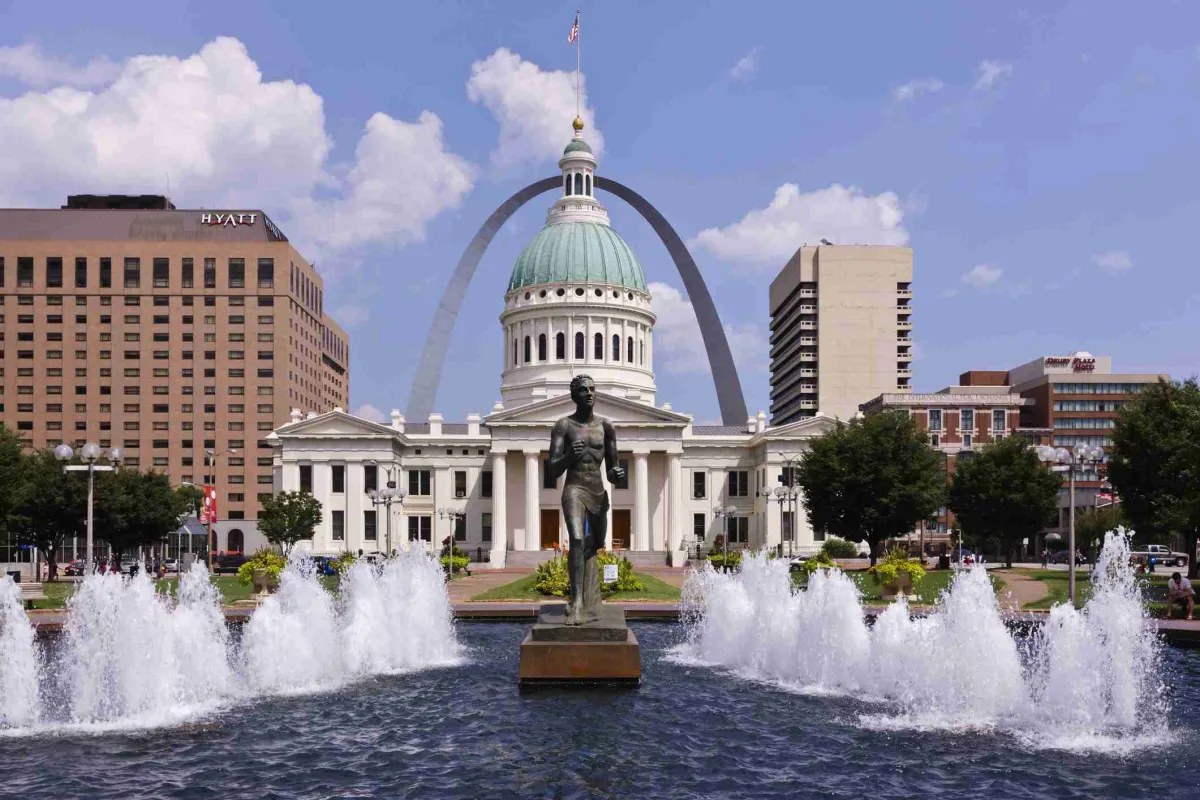 Photo: St. Louis, via www.thoughtco.com
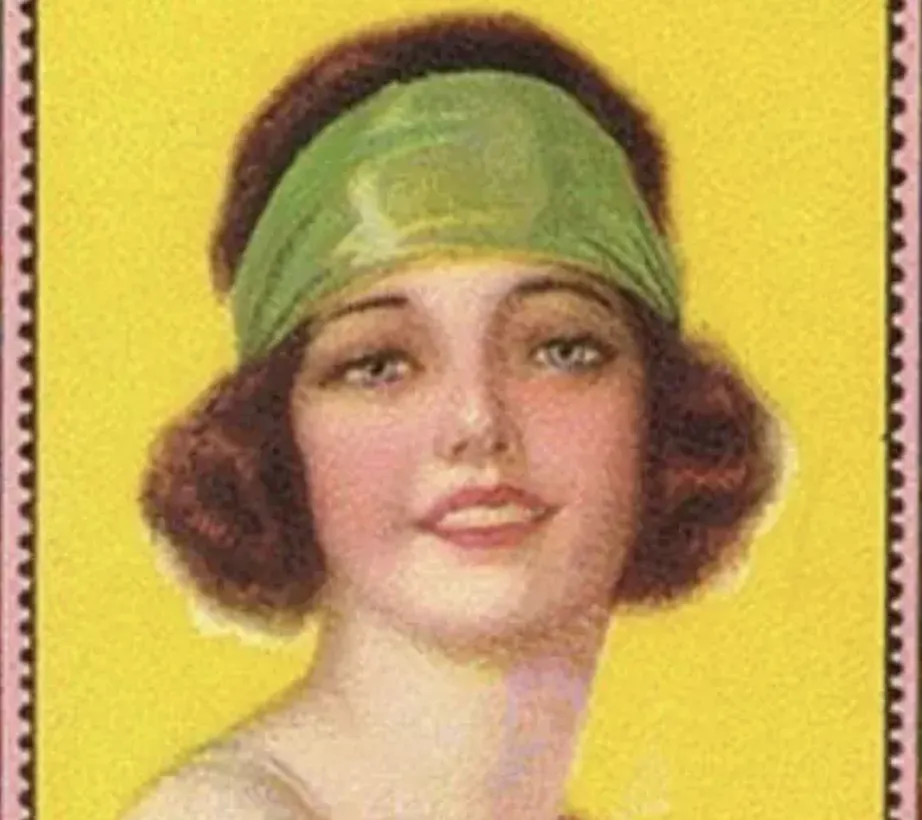 Photo: Clara Bell Walsh, via images.squarespace-cdn.com
The cocktail party solved the problem of domestic drinking with elegant simplicity. No assigned seating. No elaborate table service. Guests circulated, conversations overlapped, and the food — small, handheld, designed to be eaten without cutlery — existed primarily to slow down the drinking rather than to constitute a meal.
The drinks themselves were adapted for the new reality. Bathtub gin and bootlegged spirits were often rough and unpleasant on their own, which meant mixing them with other ingredients — fruit juices, bitters, sugar, soda — became not just fashionable but necessary. The cocktail wasn't invented by Prohibition, but Prohibition turbocharged its development by making mixed drinks the default rather than the exception.
And the small food served alongside those drinks? That became something entirely new.
The Accidental Birth of Appetizer Culture
Before Prohibition, American entertaining food was largely binary: either you sat down to a full meal or you didn't eat at all. The concept of small, standalone savory bites designed for a standing social occasion barely existed in the mainstream American home.
The cocktail party created a demand for exactly this kind of food, and American home cooks — guided by a rapidly expanding universe of women's magazines and hostess guides — rose to meet it. Stuffed olives. Cheese on crackers. Tiny sandwiches with the crusts cut off. Deviled eggs. Pigs in blankets.
These weren't just snacks. They were a new culinary category, born from the specific social and physical demands of a room full of standing people holding drinks.
When Prohibition ended in 1933, the cocktail party didn't disappear with it. If anything, it accelerated. The format had proven itself as something genuinely useful — a lower-stakes, lower-effort alternative to the formal dinner party that suited the faster pace of modern American life.
From Speakeasy Workaround to American Institution
Through the 1940s and 1950s, the cocktail party became a fixture of suburban American social life. Magazine spreads showed housewives in pearls arranging canapés on silver trays. Liquor companies ran advertisements teaching readers how to stock a proper home bar. The word "entertaining" became synonymous with the format.
By the 1960s and 1970s, the cocktail party had evolved into something even more culturally significant: the networking event. The same format — standing, circulating, drink in hand, small food available — turned out to be ideally suited for professional socializing. Business cards replaced recipes. Conference centers replaced living rooms. But the basic structure, born from Prohibition-era necessity, remained intact.
Today, every office holiday party, every gallery opening, every product launch reception is a direct descendant of the workaround that middle-class Americans invented when the government took away their saloons.
The Deepest Irony in American Social History
The temperance movement that pushed Prohibition through Congress was motivated by a genuine belief that alcohol was destroying American social life — breaking up families, corrupting communities, filling the streets with dangerous and unproductive men.
What it actually did was take drinking out of public spaces and move it into homes, where it became more intimate, more social, more carefully curated, and — in a very real sense — more central to American identity than it had ever been before.
The cocktail party is the most perfectly ironic legacy in American cultural history: a tradition invented by the very law designed to prevent it, that outlasted that law by nearly a century, and shows absolutely no signs of going anywhere.
Somebody raise a glass to that.