A Banker's Fear of Empty Parking Lots Quietly Rewired the Way America Runs Its Errands

A Banker's Fear of Empty Parking Lots Quietly Rewired the Way America Runs Its Errands
Somewhere between the invention of the car and the rise of the drive-through pharmacy, America quietly decided that stepping out of your vehicle was optional. You can deposit a check, pick up a prescription, order a burger, grab a coffee, and collect dry cleaning — all without ever unbuckling your seatbelt. That shift didn't start with fast food. It started with a nervous banker in the 1940s who was terrified his customers were going to drive right past him.
The Problem With Parking
After World War II, American cities started bleeding people into the suburbs. Veterans with government loans were buying houses in places like Levittown, New York, and Park Forest, Illinois — tidy new communities built far enough from downtown that a car wasn't just convenient, it was mandatory. Banks, like most businesses, were still rooted in downtown commercial districts. Getting to one meant driving into town, finding parking, walking several blocks, waiting in line, and driving back. In a car-dependent suburb, that was a serious friction point.
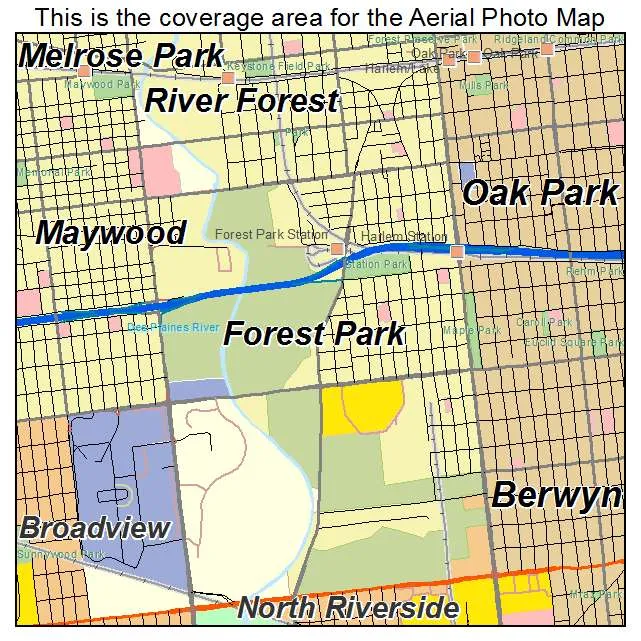 Photo: Park Forest, Illinois, via www.landsat.com
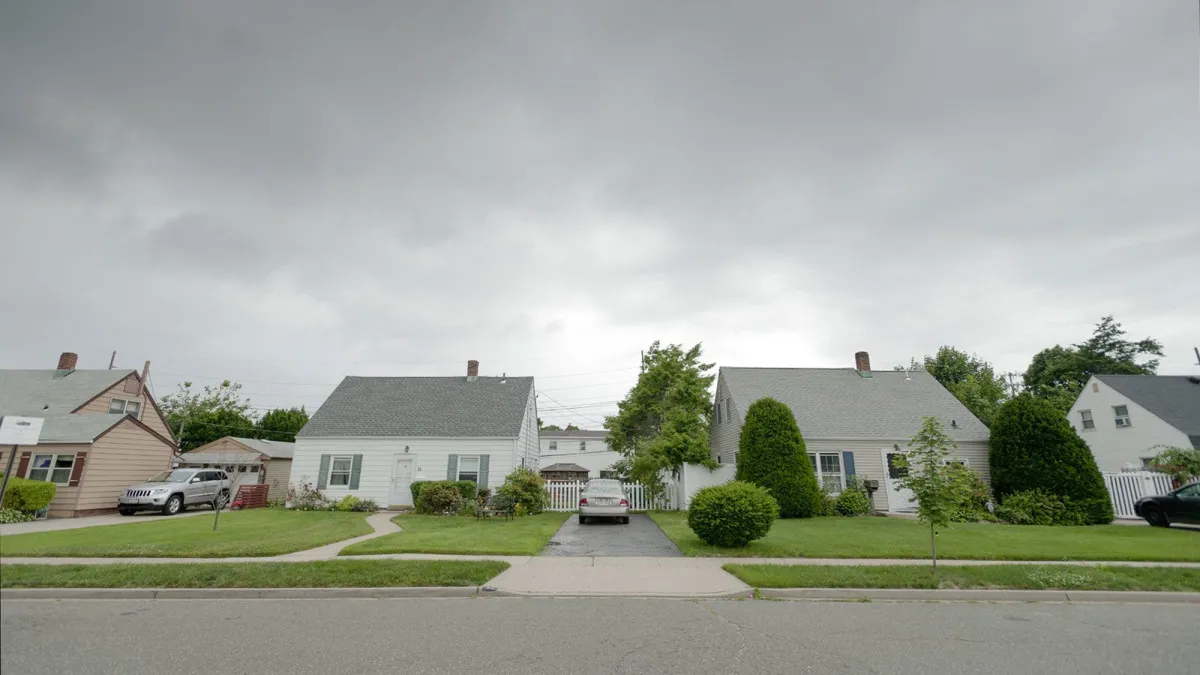 Photo: Levittown, New York, via www.wttw.com
California-based City National Bank in Los Angeles recognized this problem early. In 1937, they opened what is widely credited as one of the first true drive-up banking windows — a teller station accessible directly from a car lane. But the concept didn't spread quickly. Most bankers were traditionalists. Banking was supposed to feel formal, even slightly intimidating. A marble lobby and a suited teller were part of the experience.
Then the suburbs exploded, and the math changed.
The Window That Changed Everything
By the late 1940s and into the 1950s, suburban bank branches were opening across the country, and their managers faced an uncomfortable reality: their customers hated parking. The lots were confusing, the curbs were high, and the idea of hauling kids out of the backseat just to cash a check was genuinely off-putting. Customers were starting to delay routine banking trips, which meant delayed deposits, delayed loan payments, and delayed relationships with the bank itself.
The solution that emerged wasn't glamorous. It was a window, a drawer, and eventually a pneumatic tube. Banks began installing drive-through lanes — dedicated car queues that let customers conduct basic transactions without entering the building. Grand National Bank in St. Louis installed one of the most widely publicized versions in 1948, and the press coverage treated it as a genuine marvel of modern convenience.
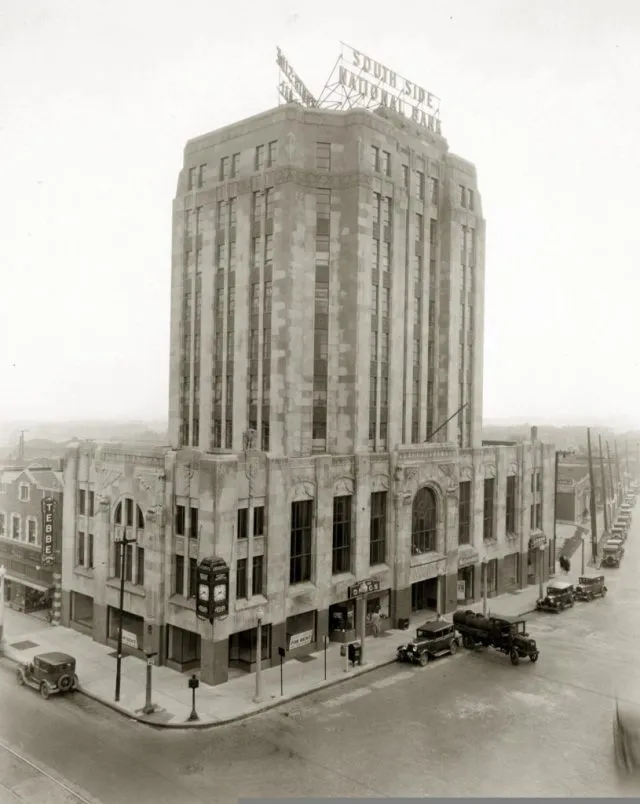 Photo: Grand National Bank in St. Louis, via i0.wp.com
The design logic was simple but powerful: remove every possible obstacle between the customer and the transaction. Don't make them park. Don't make them walk. Don't make them wait in a lobby. Meet them exactly where they already are — behind the wheel.
From Deposits to Dinner
What nobody fully anticipated was how contagious the idea would become.
If a bank could do it, why couldn't everyone else? That question echoed through the 1950s and 60s as American businesses watched banking's drive-through lanes fill with loyal, time-pressed suburban customers. The fast food industry was the first to fully commit to the concept. McDonald's and other chains had been experimenting with walk-up windows since the early 1950s, but the true drive-through — where you order from your car and pick up at a second window — became standard in the 1970s. Wendy's is often credited with popularizing the modern two-window drive-through format after opening its first in 1970.
Pharmacies followed. So did dry cleaners, liquor stores, and photo developers. By the 1980s, the drive-through had become so normalized that its absence from a business felt like a competitive disadvantage. Customers weren't just appreciating the convenience anymore — they were expecting it. The drive-through had shifted from a feature to a baseline.
The Architecture of Expectation
This is the part of the story that doesn't get talked about enough. The drive-through window didn't just save people time. It physically redesigned commercial buildings and, by extension, the entire layout of American retail strips.
Businesses built after the 1960s increasingly oriented themselves toward the parking lot rather than the sidewalk. Entrances moved. Signage grew taller so it could be read from a moving car. Buildings shrank their footprints and expanded their lots. The pedestrian experience — the idea that a customer might approach a business on foot — became almost an afterthought in suburban commercial design.
Urban planners have spent decades writing about this shift, often with frustration. The drive-through model contributed to what critics call "car-dependent sprawl" — a built environment so optimized for vehicles that walking between destinations becomes impractical or even impossible. Once you've arranged an entire commercial corridor around the assumption that everyone arrives by car, you've made it structurally difficult to arrive any other way.
The Nervous Banker's Long Shadow
Today, the drive-through is so woven into American life that its origins feel almost impossible to trace. We use them for coffee at 7 a.m., prescriptions at noon, and tacos at midnight. During the COVID-19 pandemic, the drive-through briefly became the only safe way to interact with many businesses — a moment that reminded everyone just how deeply the concept had embedded itself into the infrastructure of daily life.
It all traces back to a mid-century banker looking out at a half-empty parking lot and deciding that asking customers to get out of their cars was asking too much. He wasn't building a cultural institution. He was solving a parking problem.
And somehow, that parking problem became the template for how an entire nation runs its errands.