The Made-Up Medical Word That Convinced Americans Their Mouths Were Disgusting
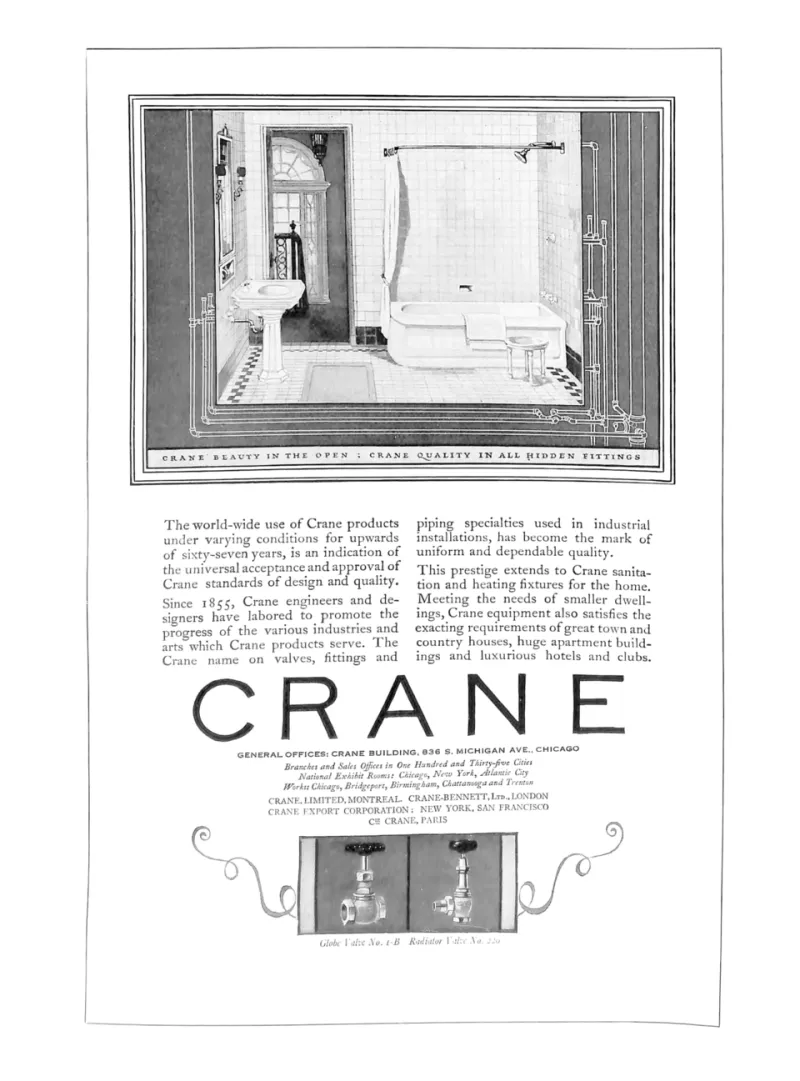
Photo: Unknown authorUnknown author, Public domain, via Wikimedia Commons
Somewhere in your bathroom right now, there is probably a bottle of mouthwash. Maybe more than one — a daily rinse, a whitening formula, something your dentist recommended. You use it without much thought, the way you use a dozen other personal hygiene products. It's just part of the routine.
But here's a question worth sitting with: how did that routine get there? Because it wasn't always. There was a specific moment in American history when mouthwash went from an obscure pharmacy product to a daily necessity — and that moment was manufactured almost entirely from scratch by a company that needed to sell something people didn't yet know they needed.
Before the Panic
For most of recorded history, humans acknowledged that breath could smell unpleasant without treating it as a social catastrophe. Ancient Egyptians chewed herbal mixtures. Medieval Europeans used spiced wines and aromatic plants. Americans in the nineteenth century might have chewed mint or cloves after a meal. There were remedies because the phenomenon existed, but there was no particular shame spiral attached to it.
Bad breath was, to put it plainly, a known fact of human life. Unremarkable. Unpleasant at close range, perhaps, but not the kind of thing that would derail your social standing or end a career.
That understanding would not survive the early twentieth century intact.
Enter Lambert Pharmacal
The story centers on a St. Louis company called Lambert Pharmacal, which had been selling an antiseptic solution called Listerine since 1879. The product was originally developed by Dr. Joseph Lawrence as a surgical antiseptic, loosely inspired by the germ theory work of British surgeon Joseph Lister. For its first few decades, Listerine was marketed for everything from cleaning floors to treating gonorrhea. It was a general-purpose antiseptic looking for its defining application.
 Photo: St. Louis, via cdn.britannica.com
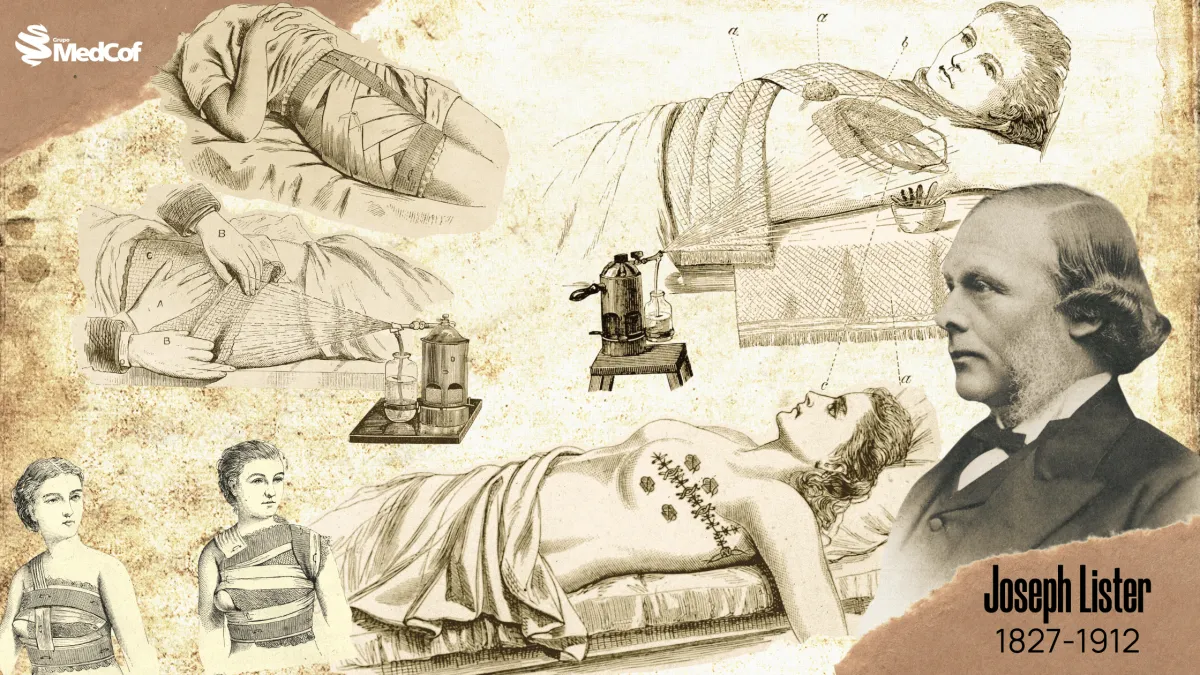 Photo: Joseph Lister, via www.grupomedcof.com.br
 Photo: Joseph Lawrence, via imagedelivery.net
By the early 1920s, Lambert Pharmacal's sales were modest and the company was searching for a breakout. The answer they landed on was audacious: they would create a problem, name it scientifically, and then sell the cure.
The word they chose was halitosis. It wasn't invented from thin air — the term had appeared occasionally in obscure medical literature, derived from the Latin halitus (breath) and the Greek suffix -osis (a condition or disease state). But it had no meaningful presence in public consciousness. Nobody was walking around worried about their halitosis because nobody had ever heard the word used in a context that made them feel personally threatened by it.
Lambert Pharmacal's advertising team changed that with extraordinary efficiency.
The Campaign That Built the Anxiety
Beginning around 1921, Listerine launched a series of print advertisements that were unlike almost anything American consumers had seen before. The ads didn't celebrate a product's virtues. They told stories of social ruin.
One famous campaign featured a young woman named Edna — perpetually a bridesmaid, never a bride — whose romantic failures were eventually traced to her halitosis. The copy was designed to sting. It pointed out that the people closest to you would never tell you about your breath problem. Your friends were too polite. Your coworkers stayed quiet. Only Listerine would be honest with you.
The genius of this framing was its unfalsifiability. How would you know if you had halitosis? You couldn't smell your own breath reliably. The people around you wouldn't say anything. The only safe response was to assume you might have it and take preventive action — which meant buying Listerine.
The ads weaponized middle-class anxiety about respectability at exactly the right cultural moment. The 1920s were a period of intense social mobility and status consciousness. Americans were moving to cities, entering professional workplaces, navigating new social hierarchies. The fear of making the wrong impression — of being quietly judged and found wanting — was very real. Listerine's advertising plugged directly into that fear with surgical precision.
The Numbers Tell the Story
The results were almost immediate. Listerine's revenues grew from roughly $115,000 in 1921 to more than $8 million by 1928 — a period of seven years during which the concept of halitosis went from medical obscurity to dinner table conversation. Competitors rushed to enter the market. Personal hygiene product lines expanded. The mouthwash category, which had barely existed as a consumer segment, was suddenly a thriving industry.
And here's the part that deserves particular attention: the underlying problem hadn't changed at all. Human breath in 1928 was no worse than it had been in 1918. The only thing that had changed was the cultural framework people used to think about it. Lambert Pharmacal had successfully installed a new form of social anxiety into American consciousness, complete with a clinical-sounding name that made the anxiety feel legitimate and medical rather than manufactured.
Germ Theory as a Marketing Tool
The timing wasn't accidental. By the 1920s, germ theory — the scientific understanding that microscopic organisms caused disease — had become genuinely popular knowledge. The flu pandemic of 1918 had made Americans acutely aware that invisible things could harm them. Hygiene had taken on a moral dimension that went beyond simple cleanliness.
Listerine's advertising drew on this anxiety brilliantly. The product was framed not just as a breath freshener but as a defense against bacterial contamination. Using it was responsible. Not using it was careless, even selfish — a failure to protect the people around you from your own biological threat.
The clinical vocabulary reinforced everything. Halitosis sounded like a diagnosis. It sounded like something a doctor might tell you about. That legitimacy was entirely constructed, but it was extremely effective.
What We Inherited
A century later, the mouthwash market in the United States is worth well over a billion dollars annually. Dozens of brands compete across dozens of formulations. The daily rinse is so embedded in American hygiene culture that most people have never stopped to ask where it came from or whether they actually need it.
Dentists will tell you that mouthwash has genuine uses — it can help with certain gum conditions and bacterial issues — but the idea that ordinary healthy adults require it as a daily ritual to avoid social catastrophe is a marketing construct. The catastrophe was invented first. The solution was already on the shelf.
Edna, perpetually a bridesmaid, was never real. The anxiety she was designed to trigger absolutely was — and it's still selling product today.


