How the Army Built Your Gym Membership Without Ever Meaning To

Photo by Photo by Library of Congress on Unsplash on Unsplash
Somewhere between the protein shakes and the motivational Instagram quotes, it's easy to forget that working out for its own sake is a genuinely strange thing to do. For most of human history, physical labor was just labor — something you did because crops needed harvesting or lumber needed hauling. The idea that you might voluntarily run in circles, lift heavy objects repeatedly, or pay a monthly fee to sweat in a room full of strangers would have struck most Americans before World War II as somewhere between eccentric and alarming.
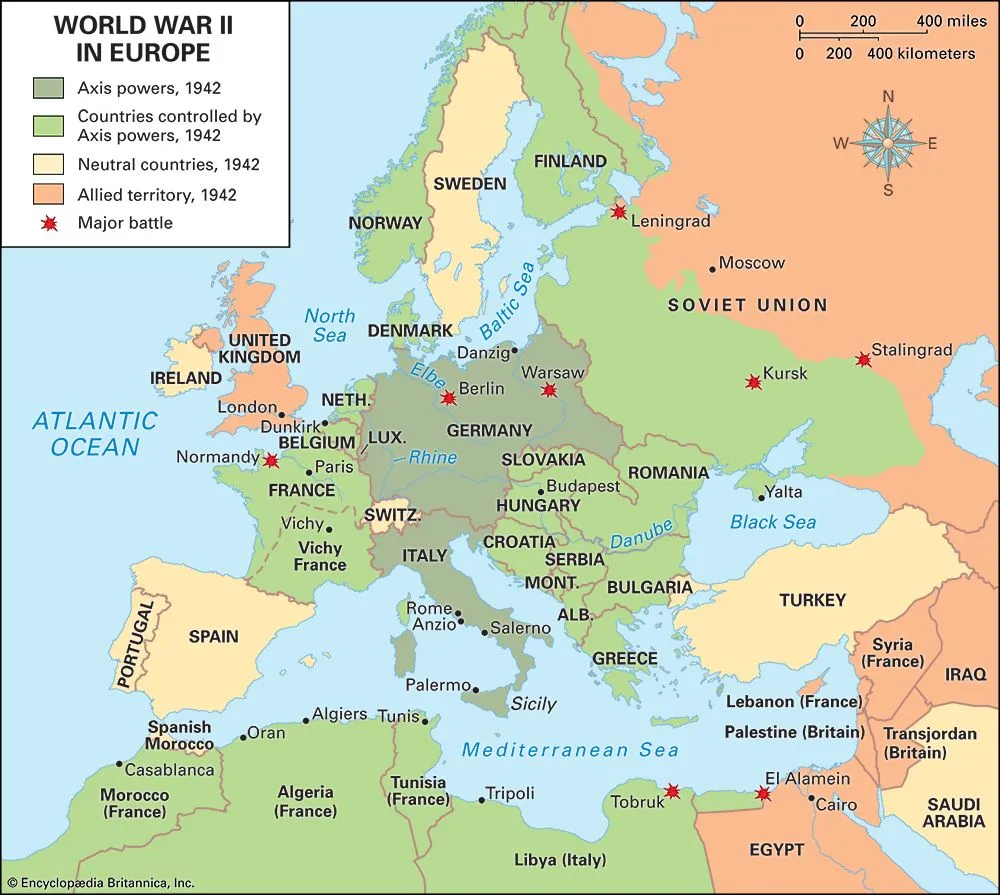 Photo: World War II, via cdn.britannica.com
So how did exercise become a lifestyle? The short answer is: the military sold it to us, and then we forgot they were the ones selling.
Before the Gym, There Was the Draft
When the United States entered World War II, the Army faced a problem that had nothing to do with enemy strategy. A significant portion of the young men showing up for induction were in terrible physical shape. Flat feet, poor cardiovascular endurance, and general physical weakness were disqualifying large numbers of draftees. The military wasn't just fighting a war overseas — it was fighting the consequences of a generation raised on increasingly sedentary, industrialized American life.
The response was systematic and aggressive. The Army developed standardized physical training programs — calisthenics, endurance runs, obstacle courses — and deployed them at scale. Military fitness instructors were trained to push recruits to measurable performance benchmarks. The language that emerged from this system was specific and charged: conditioning, performance, discipline, endurance. Exercise wasn't framed as something pleasant. It was framed as a duty, a preparation for combat, a measure of a man's readiness to serve his country.
For the duration of the war, that framing worked. Millions of American men went through physical training programs and came out the other side with a vocabulary for exercise they'd never had before.
The Entrepreneurs Who Noticed
When the war ended and those men came home, a small group of businesspeople spotted something interesting. Here was an entire generation of Americans who had been trained to think of physical fitness as both achievable and morally serious — and there was no civilian infrastructure to serve them.
The first wave of postwar fitness entrepreneurs moved quickly to fill that gap, and they did it by borrowing the military's language almost wholesale. Health clubs that opened in the late 1940s and 1950s used words like training, conditioning, and program. They offered regimens, not suggestions. The marketing copy sounded less like leisure advertising and more like a recruitment poster.
This was not accidental. Positioning exercise as something serious — something with military credibility behind it — was the key to making it acceptable to a generation of American men who might otherwise have found the idea of voluntarily going to a gymnasium slightly embarrassing. If the Army said fitness mattered, then fitness mattered. The health clubs were just providing a place to do it.
Jack LaLanne and the Televised Drill Sergeant
No figure captured this transition more vividly than Jack LaLanne, who had been running a gym in Oakland since 1936 but found his real audience when he launched a television fitness program in 1951. LaLanne was charismatic and theatrical, but his underlying message was deeply military in its logic: your body is a machine, discipline is the mechanism, and weakness is a choice you're making.
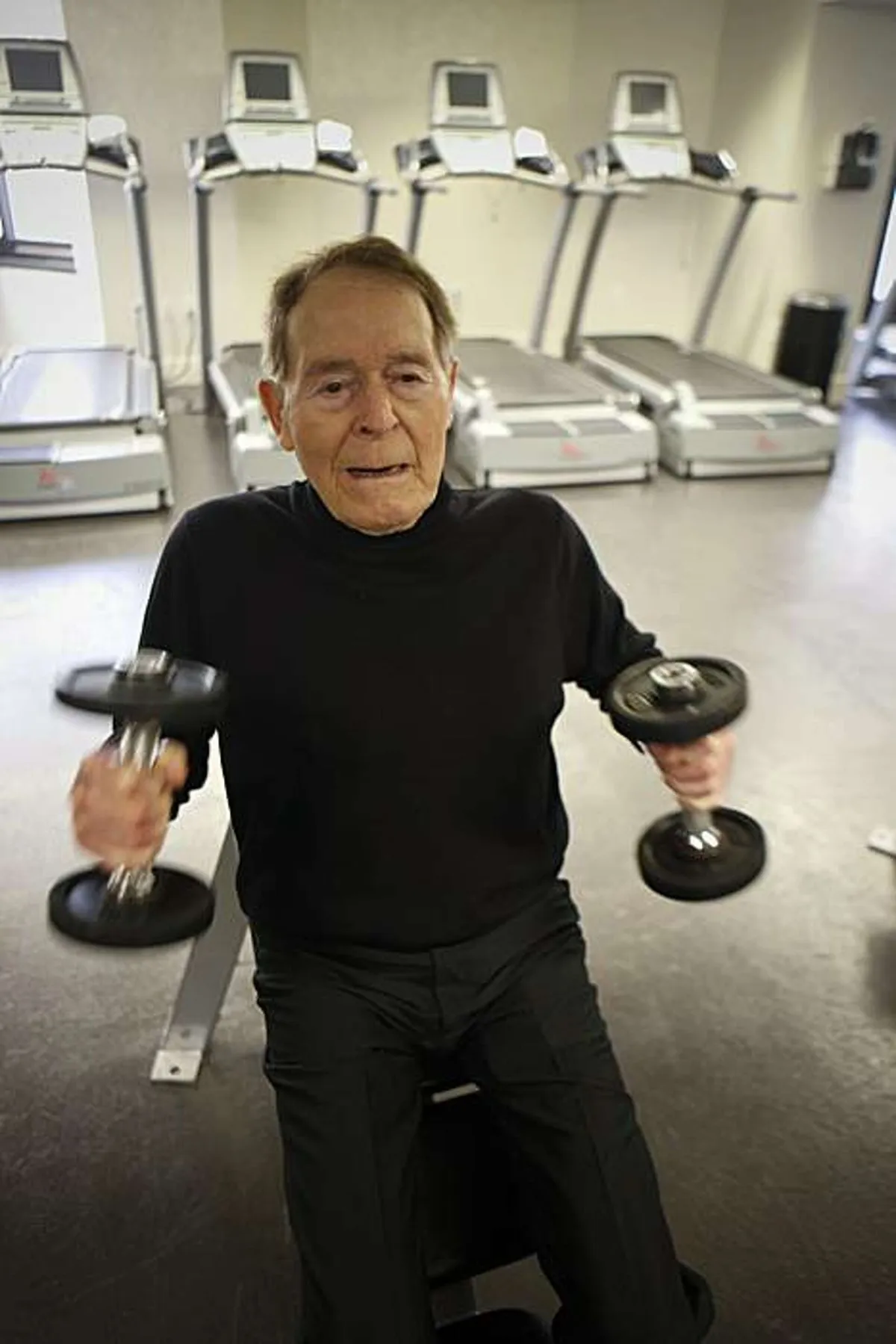 Photo: Jack LaLanne, via s.hdnux.com
He wore a jumpsuit that looked not entirely unlike a uniform. He spoke about exercise with the urgency of someone preparing you for something. He didn't suggest you might enjoy a walk — he told you what you were going to do and why failure to do it was a personal failing.
LaLanne's show ran for 34 years. It reached housewives in suburban living rooms who had never thought of themselves as athletes and convinced them that the same logic that applied to soldiers applied to them. The target audience had shifted from men in barracks to women in kitchens, but the pitch — your body is a project, and discipline is the tool — remained unchanged.
Magazines, Diet Culture, and the Civilian Uniform
Through the 1950s and 1960s, the fitness industry expanded its borrowed vocabulary in every direction. Men's magazines ran features with titles that could have come straight from an Army training manual. Women's publications framed weight loss in the language of goals, targets, and results. The diet industry, which had existed in various forms since the 19th century, hitched itself to the fitness movement and adopted the same militarized framing: your body is a problem to be solved through disciplined effort.
What changed in this period wasn't the human body or even human behavior — it was the cultural meaning attached to how that body looked and performed. Being visibly fit stopped being a side effect of physical labor and started being a signal of personal virtue. The military had established that connection during wartime. The fitness industry simply kept it running in peacetime.
By the time gym chains, aerobics classes, and running shoes became mass-market phenomena in the 1970s and 1980s, the military origins of the whole project had been almost completely obscured. Exercise felt like a personal choice, a lifestyle expression, an act of self-care. The infrastructure behind it — the language, the logic, the moral weight — had been quietly borrowed from an institution most of its customers had never served in.
The Drill Sergeant in Your Pocket
Today, the fitness industry generates somewhere north of $30 billion annually in the United States alone. Peloton instructors shout encouragement in the cadence of boot camp drill sergeants. Running apps measure your performance against benchmarks. Gym culture is saturated with military metaphors: beast mode, warrior, no surrender.
The language has evolved, but the underlying architecture is the same one the Army built in 1942 to get out-of-shape draftees ready for combat. Someone just changed the uniform and started charging a monthly subscription fee.
The next time your fitness tracker buzzes to tell you that you haven't hit your daily goal, consider who originally set that goal — and why.