The Soot-Scrubbing Compound That Accidentally Conquered Every American Classroom
The Dirty Problem That Built a Business
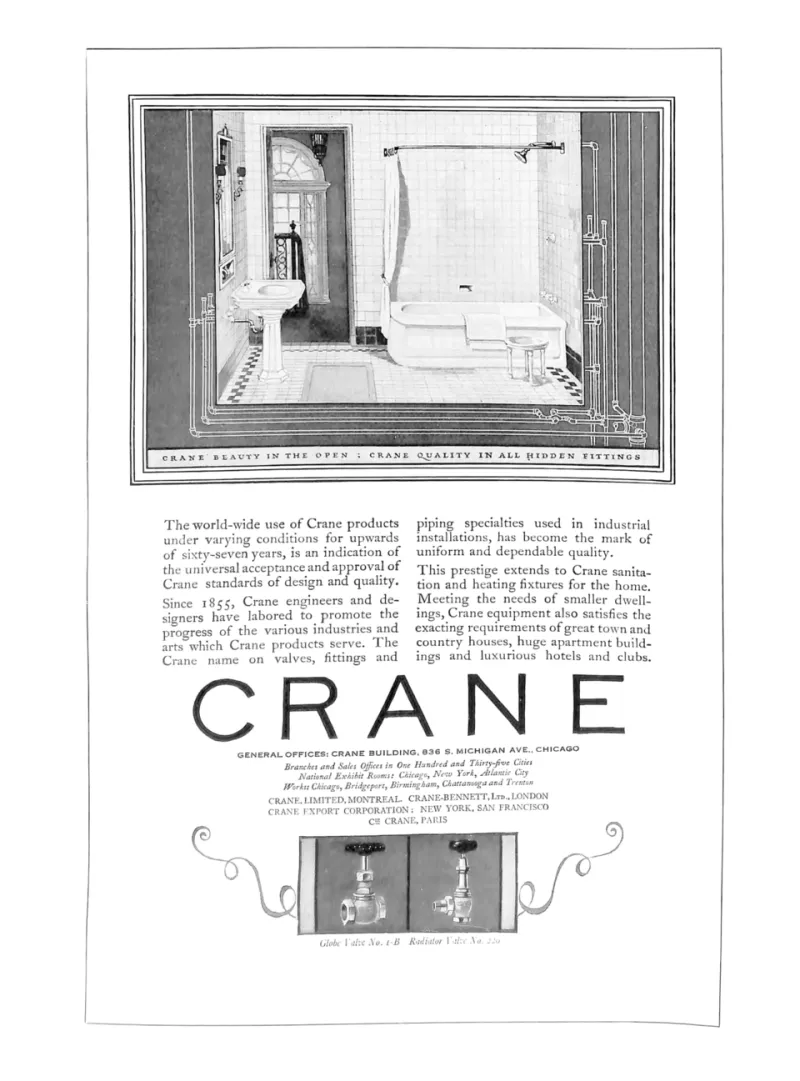
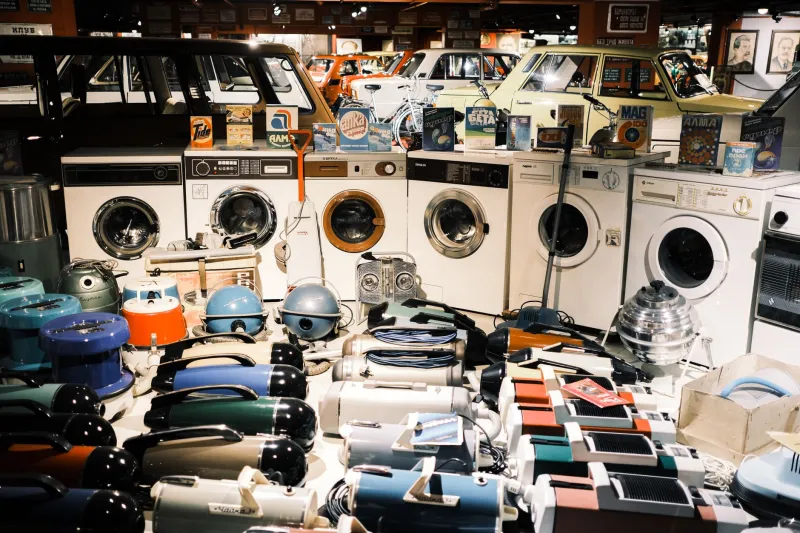
In 1930s Cincinnati, keeping wallpaper clean was serious business. Coal-burning furnaces blanketed the city in a fine layer of soot that settled on everything, turning once-bright wallpapers dingy and gray. Traditional cleaning methods were harsh and often damaged the delicate paper, so when the Kutol Products company developed a soft, pliable cleaning compound that could gently lift soot without tearing wallpaper, they struck gold.
The compound worked like magic. Homemakers would roll the putty-like substance across their walls, and it would pick up dirt and grime while leaving the wallpaper intact. Kutol's wallpaper cleaner became a household staple across coal-burning America, generating steady profits for the small Cincinnati company throughout the 1930s and 1940s.
But progress has a way of making yesterday's solutions obsolete, and by the early 1950s, Kutol faced an existential crisis that would accidentally lead to one of the greatest pivots in American business history.
When Clean Energy Killed the Cleaning Business
The post-World War II economic boom brought more than prosperity to American homes—it brought cleaner heating technology. Natural gas and oil furnaces began replacing coal systems across the country, and suddenly American walls weren't getting nearly as dirty. Kutol's miracle wallpaper cleaner was becoming as obsolete as the coal furnaces that had made it necessary.
Joe McVicker, who had taken over the family business, watched sales plummet month after month. The compound that had sustained his company for two decades was turning into a warehouse full of unsellable inventory. By 1954, Kutol was teetering on the edge of bankruptcy, a victim of America's transition to cleaner energy.
 Photo: Joe McVicker, via 4.bp.blogspot.com
Then McVicker's sister-in-law, Kay Zufall, made an observation that would change everything. Zufall worked at a nursery school in New Jersey, and she'd been struggling with a common classroom problem: modeling clay was too hard for young children to manipulate easily.
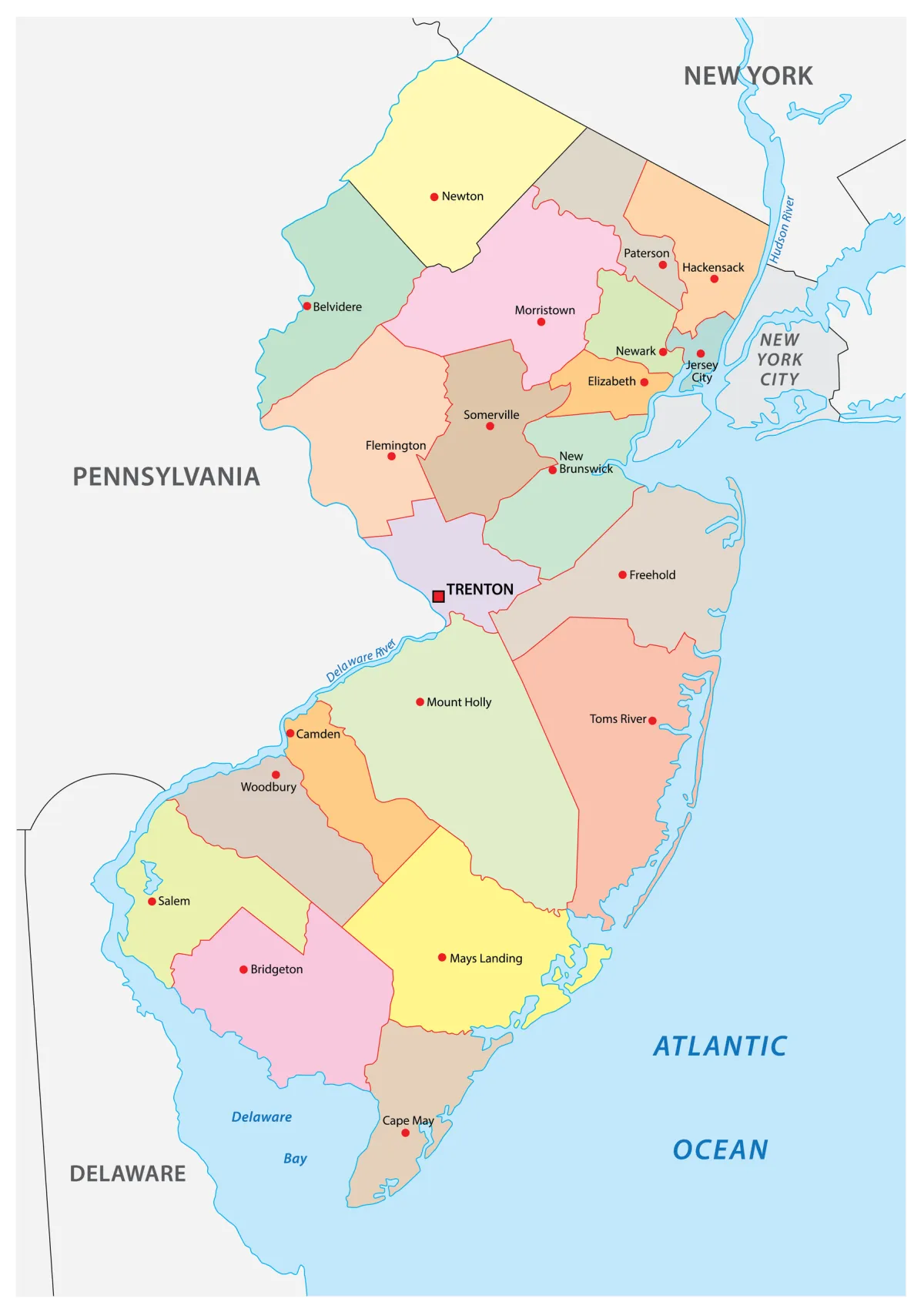 Photo: New Jersey, via www.worldatlas.com
The Nursery School Experiment
Zufall had seen her brother-in-law's wallpaper cleaning compound during family visits and noticed something interesting—it was soft, pliable, and safe to handle. What if, she wondered, children could use it for art projects instead of traditional modeling clay? She convinced McVicker to send her some samples for her nursery school students to try.
The results were immediate and remarkable. Children who struggled with hard modeling clay found the wallpaper cleaner easy to shape and mold. It didn't dry out quickly like clay, it came in a pleasant off-white color, and most importantly, it was completely safe if curious toddlers decided to taste it. The kids loved it, teachers praised its workability, and parents appreciated its cleanliness.
Zufall urged McVicker to consider repositioning his failing wallpaper cleaner as a children's toy. It seemed like a desperate long shot—how could a cleaning product compete with established toy companies?—but with bankruptcy looming, McVicker decided he had nothing to lose.
The Great Rebranding Experiment
Transforming an industrial cleaning compound into a children's toy required more than just new packaging. McVicker had to completely reimagine his product, starting with its most basic properties. The original wallpaper cleaner was designed to pick up dirt, which meant it was slightly sticky and had a grayish tint from use. For children's play, it needed to be completely clean, non-toxic, and available in bright colors.
Working with his nephew Noah, McVicker reformulated the compound to be safer and more colorful. They removed the detergents that made it effective for cleaning and added food coloring to create vibrant red, blue, and yellow versions. The new formula was softer than the original, making it even easier for small hands to manipulate.
The name change proved equally important. "Kutol Wallpaper Cleaner" wouldn't exactly fly off toy store shelves, so they brainstormed alternatives that emphasized play rather than cleaning. "Play-Doh" captured exactly what the product was meant to do—provide a medium for creative play—while sounding fun and accessible to children.
From Classroom Hit to Retail Revolution
McVicker's first sales pitch was to educational supply companies, targeting the nursery schools and kindergartens where his sister-in-law had proven the concept. Teachers quickly embraced Play-Doh as superior to traditional modeling clay, and word spread through educational networks across the country.
Encouraged by institutional success, McVicker approached toy retailers. The initial response was skeptical—established toy companies dominated the market, and a reformulated cleaning product seemed like an unlikely competitor. But demonstrations were convincing. Children who tried Play-Doh preferred it to harder alternatives, and parents appreciated its safety and cleanliness.
By 1956, Play-Doh was appearing in toy stores across America. McVicker had saved his company through one of the most unlikely product pivots in business history, transforming a failing industrial cleaner into a thriving children's toy.
The Accidental Empire
Play-Doh's success exceeded everyone's wildest expectations. What began as a desperate attempt to save a bankrupt cleaning company became one of the best-selling toys in American history. By 1965, Kutol was selling millions of containers annually, and major toy companies were taking notice.
General Mills acquired the Play-Doh brand in 1965, recognizing its potential for expansion and international distribution. Under corporate ownership, Play-Doh evolved from a simple modeling compound into an entire ecosystem of toys, tools, and accessories. But the basic formula remained remarkably close to McVicker's original wallpaper cleaner—proof that sometimes the best innovations come from the most unexpected sources.
The Chemistry of Childhood
Today, Play-Doh is manufactured in dozens of colors and sold in more than 80 countries, generating hundreds of millions in annual revenue. Billions of containers have been sold since McVicker's desperate pivot in the 1950s, making it one of the most successful product repositioning stories in American business history.
The irony is delicious: a compound designed to clean up the mess from dirty coal furnaces became the medium for millions of children's creative messes. McVicker's wallpaper cleaner was formulated to restore order to grimy homes; Play-Doh celebrates the beautiful chaos of childhood imagination.
The Lesson in the Container
Play-Doh's origin story offers a masterclass in recognizing opportunity within crisis. When clean energy technology made his primary product obsolete, McVicker could have simply closed his doors and accepted defeat. Instead, he remained open to seeing his product through fresh eyes—literally, through the eyes of children who saw creative potential where adults saw only cleaning utility.
The next time you see a child happily squishing Play-Doh into fantastic shapes, remember Joe McVicker's accidental discovery. Sometimes the most beloved products emerge not from careful market research or focus groups, but from the willingness to imagine completely new purposes for existing solutions. In Play-Doh's case, that imagination transformed a failing cleaning company into a cornerstone of American childhood, one squishy container at a time.