How a Fancy Hotel Spread and Two World Wars Turned Peanut Butter Into America's Lunchbox Legend

Photo by Photo by The Design Lady on Unsplash on Unsplash
How a Fancy Hotel Spread and Two World Wars Turned Peanut Butter Into America's Lunchbox Legend
The peanut butter and jelly sandwich feels like it was always there — tucked into brown paper bags, traded at cafeteria tables, eaten standing over the kitchen sink at midnight. But this humble staple wasn't born in some home kitchen. It stumbled into American life through a chain of failed patents, military logistics, and postwar suburban anxiety that nobody planned and nobody predicted.
The Rich Kid's Spread
Peanut butter itself has a complicated origin story. While George Washington Carver is often credited with popularizing peanuts, the creamy paste we recognize today was actually developed and patented in 1895 by a St. Louis physician named John Harvey Kellogg — yes, the cereal guy's brother — as a protein supplement for patients who couldn't chew solid food. It was a medical product, not a snack.
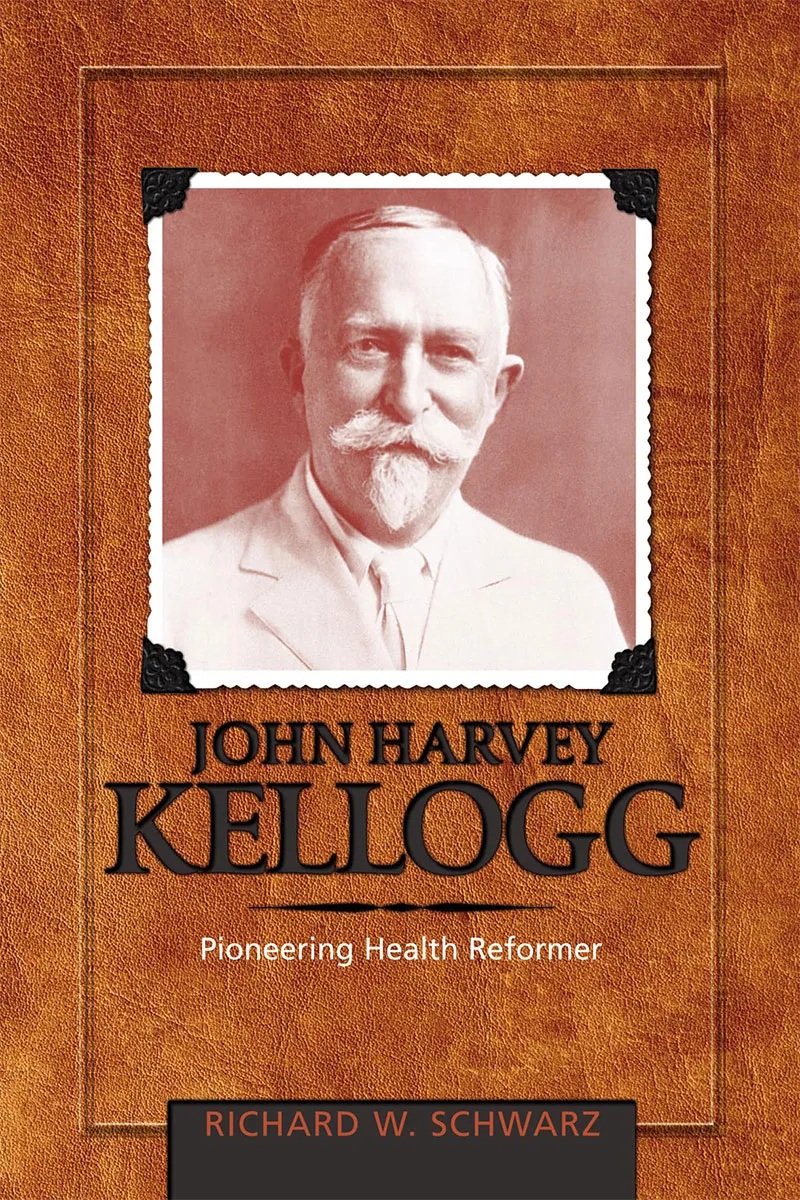 Photo: John Harvey Kellogg, via remnantreview.com
By the early 1900s, peanut butter had migrated from hospital wards to upscale tea rooms. Early versions were grainy, oily, and expensive to produce. Serving it on thin crustless bread was considered a sophisticated, even fashionable thing to do. The Vanity Fair Tea Room in New York City was reportedly offering peanut butter sandwiches on its menu around 1901. This was not food for working families. This was food for people with time and money to spare.
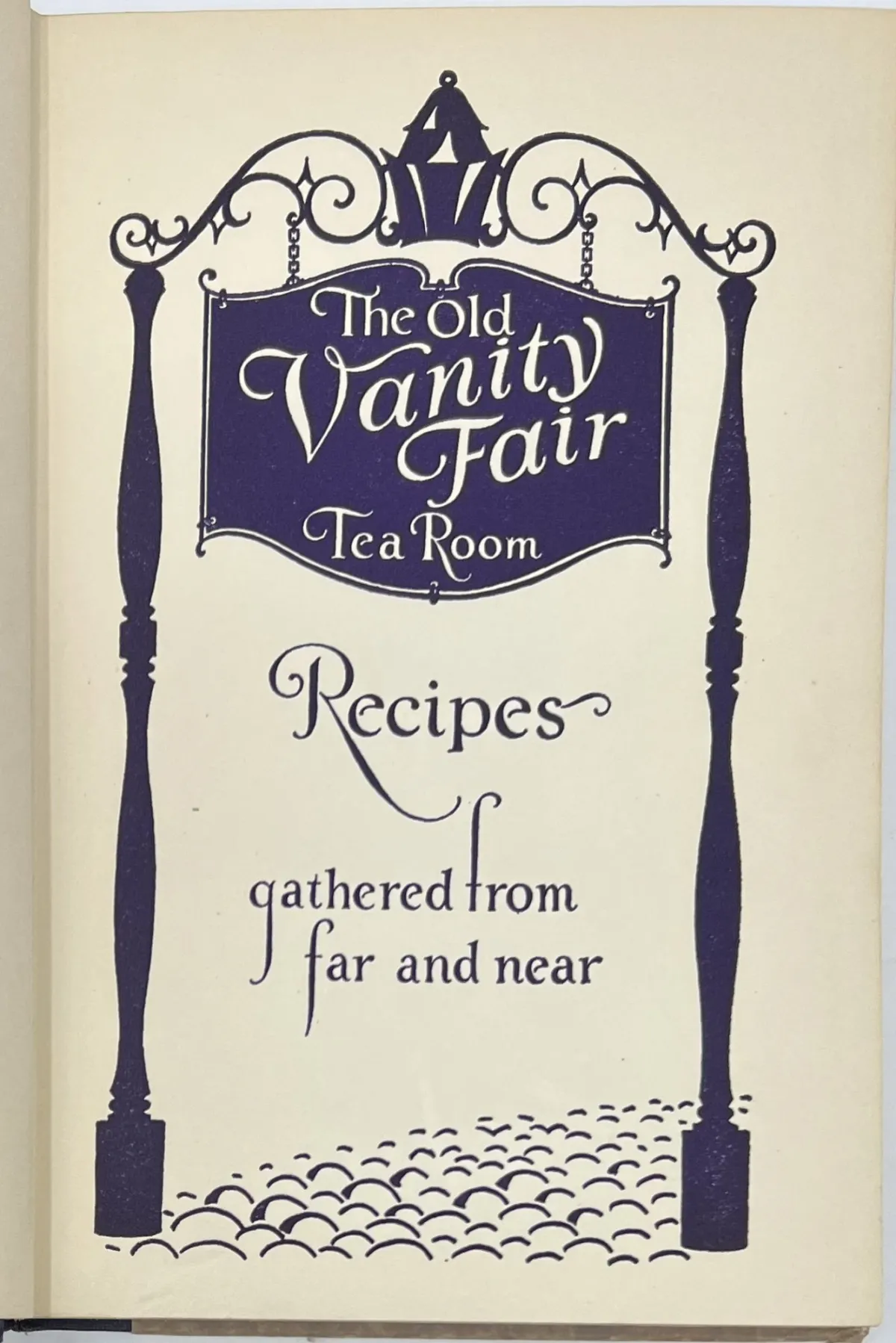 Photo: Vanity Fair Tea Room, via slhbookseller.cdn.bibliopolis.com
The first known patent attempt to combine peanut butter with a fruit-based spread came in 1901, when a woman named Julia Davis Chandler published a recipe suggesting the pairing in a culinary journal. But nobody ran with it commercially. The combination sat quietly on the sidelines of American food culture for another four decades, waiting for the right catastrophe to push it forward.
The Military Makes a Match
That catastrophe came in two waves, both wearing uniforms.
During World War II, the U.S. military faced a serious problem: soldiers needed portable, high-protein food that wouldn't spoil in the field. Peanut butter fit the bill perfectly. The Army began including it in ration kits, and by the early 1940s, military procurement had driven peanut butter production into industrial overdrive. Manufacturers like Swift & Company began refining the product — adding hydrogenated oils to prevent separation, stabilizing the texture, reducing the price per pound.
Jelly made the same journey. Grape jelly, in particular, was compact, shelf-stable, and calorie-dense. It, too, appeared in military rations. Soldiers who'd grown up in households where peanut butter was a luxury found themselves eating it regularly — and pairing it with jelly because both happened to be in the same ration kit. They got used to it. They liked it.
When those soldiers came home, they brought the habit with them.
Sliced Bread Makes It Official
Here's the detail that often gets overlooked: the peanut butter and jelly sandwich couldn't truly go mainstream until sliced bread did. Pre-sliced commercial bread became widely available in the 1930s after the Chillicothe Baking Company introduced a bread-slicing machine in 1928. But it took a decade and a world war for the combination of sliced bread, shelf-stable peanut butter, and jarred jelly to land in the same kitchen at the same time.
By the late 1940s, that combination was everywhere. Returning veterans were settling into new suburban homes. Their wives were managing households with limited time and limited budgets. Children were heading off to newly built elementary schools in newly built neighborhoods. The PB&J was fast, cheap, required no refrigeration in a lunchbox, and didn't need to be cooked. It was, in the most accidental way possible, the perfect postwar food.
From Novelty to Nostalgia
Food companies noticed. By the 1950s, brands like Skippy and Jif were advertising directly to mothers, positioning peanut butter as a wholesome, nutritious choice for growing kids. The marketing leaned hard into themes of childhood energy and maternal care. The sandwich wasn't just convenient — it was framed as an act of love.
Smucker's capitalized even more directly by introducing Goober Grape in 1968, a single jar with peanut butter and jelly swirled together. The message was clear: America had accepted this pairing so completely that someone could sell it pre-combined and people would buy it.
Today, Americans consume roughly 700 million pounds of peanut butter every year, and surveys consistently show that the average American child eats around 1,500 PB&J sandwiches before finishing high school. It has become so embedded in the culture that it functions almost as a symbol of American childhood itself — referenced in movies, TV shows, and political speeches as shorthand for simplicity and comfort.
The Accidental Icon
None of this was designed. No single inventor sat down and decided to create America's most iconic sandwich. A doctor made a medical paste. A tea room made it fashionable. A war made it cheap and familiar. Sliced bread made it easy. Suburban life made it necessary. And marketing made it sentimental.
That's the real recipe — not peanut butter and jelly, but coincidence layered on coincidence, each historical moment handing the baton to the next without any of them knowing they were building something that would outlast all of them.
Next time you peel back the plastic on a loaf of bread and reach for that familiar jar, you're not just making lunch. You're eating about 120 years of unplanned American history.