P.T. Barnum Was Selling You Sneakers Long Before Nike Existed

Photo by Photo by Library of Congress on Unsplash on Unsplash
Modern advertising likes to present itself as a sophisticated science — focus groups, data analytics, brand strategy sessions in glass-walled conference rooms. But strip away the jargon and you'll find something much older underneath: the same psychological playbook that 19th-century circus promoters used to fill tents in the middle of American cornfields. The tactics haven't changed. Only the product has.
The Greatest Show on Earth Was Also the Greatest Sales Pitch on Earth
Phineas Taylor Barnum understood something about human psychology that most of his contemporaries didn't: people don't just buy things. They buy feelings, and more specifically, they buy the feeling of not missing out on something extraordinary.
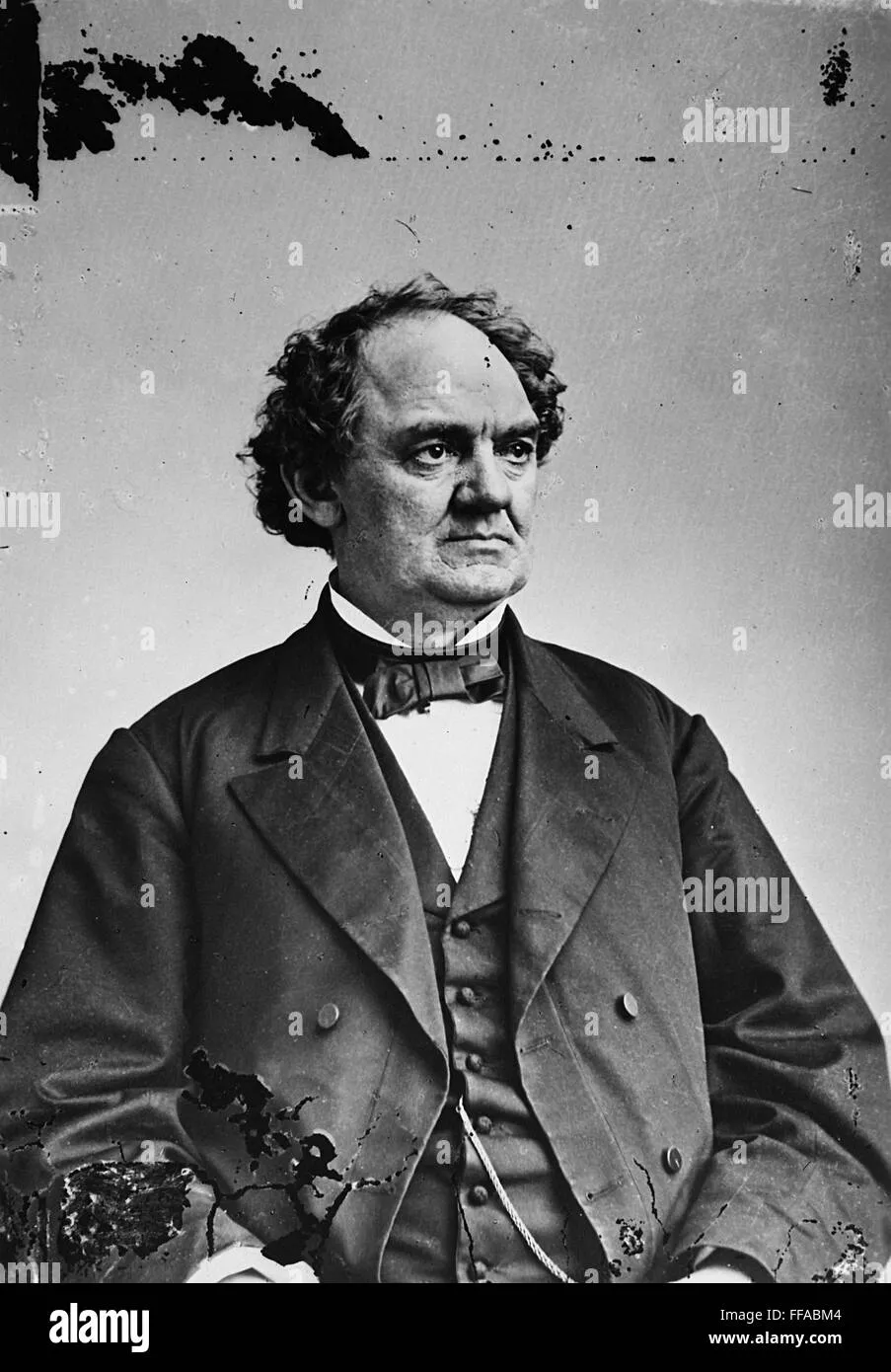 Photo: Phineas Taylor Barnum, via c8.alamy.com
When Barnum began promoting his American Museum in New York City in the 1840s, he didn't rely on straightforward advertising. He manufactured mystique. He planted fake news stories in newspapers about coming attractions. He hired men to walk through city streets carrying bricks and behaving mysteriously, drawing crowds who followed them back to the museum. He generated controversy deliberately — he knew that people arguing about whether his exhibits were real were still talking about his museum, which meant they were still thinking about buying a ticket.
 Photo: American Museum, via images2.minutemediacdn.com
This was not accidental showmanship. Barnum was running systematic psychological operations decades before the term "marketing" existed. His 1855 autobiography, which itself became a bestseller, was partly a manual for this approach. He wrote openly about the value of "arresting public attention" and creating what we would today call buzz.
His circus, launched as "P.T. Barnum's Grand Traveling Museum, Menagerie, Caravan and Hippodrome" in 1871, took these techniques on the road. Advance men — a job title Barnum's organization essentially invented — would arrive in a town days or weeks before the circus to plaster posters, place stories in local papers, and seed conversations. By the time the circus rolled in, the town had been psychologically primed. The demand was manufactured before the product ever arrived.
Scarcity, Spectacle, and the Self
Break down what Barnum and his imitators were actually doing and three core tactics emerge — three tactics that any marketing student today would recognize immediately.
The first is artificial scarcity. Circus performances had limited runs. "Only three nights in Columbus!" wasn't just a logistical fact — it was a pressure mechanism. Miss it and it's gone forever. This urgency, manufactured or real, is the ancestor of every "limited time offer," flash sale, and countdown timer you've ever encountered on a retail website.
The second is spectacle as credibility. Barnum's parades through town — elephants, costumed performers, brass bands — weren't just entertainment. They were proof of scale. The implicit message was: something this big, this loud, this visually overwhelming must be worth seeing. Modern brands do the same thing with Super Bowl commercials, celebrity endorsements, and stadium-sized product launches. The spectacle signals that the product matters, regardless of whether the spectacle itself has anything to do with the product's quality.
The third, and most psychologically sophisticated, is aspirational identity. Barnum didn't just sell tickets. He sold the idea that attending his circus made you a person of curiosity, sophistication, and worldliness. Seeing the world's wonders — even if some of those wonders were elaborate hoaxes — positioned you as someone who sought out the extraordinary. You weren't just a farmer from Ohio buying a ticket. You were a person who experienced remarkable things.
This identity-based selling is the foundation of virtually every major consumer brand operating today. Nike doesn't sell shoes. It sells athletic identity. Apple doesn't sell computers. It sells the self-image of a creative, forward-thinking person. Starbucks doesn't sell coffee. It sells the ritual of being someone who has a "usual order." The mechanism is identical to what Barnum was doing in 1850.
Radio Carries the Tent Into Every Living Room
When commercial radio exploded in the 1920s, Madison Avenue advertising agencies recognized immediately that they had a new tent — one that could hold the entire country simultaneously. The early radio advertising model borrowed directly from circus promotion: create a compelling personality, build anticipation, make the audience feel like they're part of something special.
Sponsored radio programs were essentially the same as circus advance work, but delivered directly into the home. Soap operas — a term that literally refers to the soap companies that sponsored them — used serialized storytelling to build habitual audiences who associated emotional engagement with a brand. The product was almost beside the point. The relationship was the point.
Albert Lasker, often called the father of modern advertising, and his copywriter Claude Hopkins were among the first to articulate what Barnum had practiced intuitively: that advertising wasn't about describing a product, it was about making the consumer feel something about themselves in relation to the product. Hopkins's 1923 book Scientific Advertising reads, in places, like a formal codification of Barnum's carnival instincts.
The Uncomfortable Recognition
By the time television arrived in American living rooms in the late 1940s and 50s, the circus playbook had been so thoroughly absorbed into commercial culture that its origins were invisible. The techniques had been refined, given academic names, and embedded in the curricula of business schools. Nobody in a Madison Avenue office in 1960 thought of themselves as an heir to a 19th-century tent showman.
But the lineage is direct and traceable. The influencer who creates artificial urgency around a product drop is running Barnum's advance-man operation on Instagram. The brand that sponsors a cultural moment — a concert, a sports event, a viral challenge — is staging a parade through town. The company that sells you a water bottle by making you feel like the kind of person who stays hydrated and lives intentionally is selling you the same aspirational identity that Barnum sold to Ohio farmers who wanted to feel like people who'd seen the world.
The bearded lady has been replaced by a lifestyle aesthetic. The tent has been replaced by an algorithm. But the psychology hasn't changed at all.
Barnum figured out how humans work. Everyone since has just been refining the details.