The Kitchen Cheat Sheet That Accidentally Taught Americans How to Eat Out
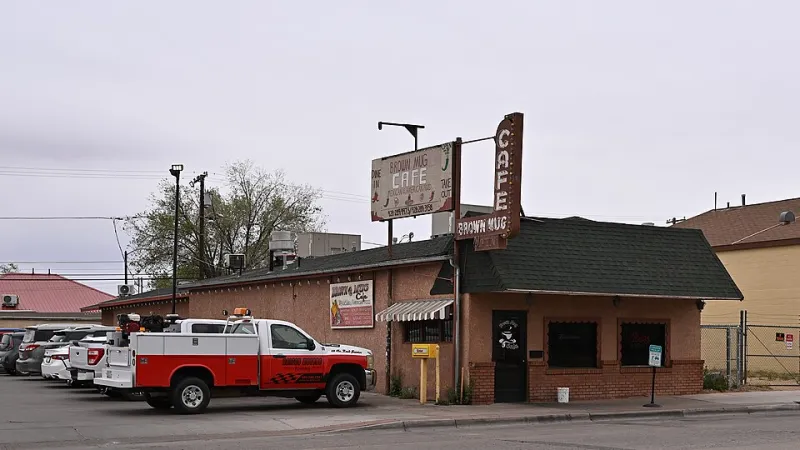
Photo: G. Edward Johnson, CC BY 4.0, via Wikimedia Commons
Every time you sit down at a restaurant and someone hands you a menu, you're participating in a ritual so familiar it barely registers. But that laminated card — or leather-bound booklet, or chalkboard on the wall — has a genuinely bizarre origin story. It wasn't designed for you. It wasn't designed for customers at all. It was designed for cooks who needed to remember what they were supposed to be making that day.
What a Menu Actually Was
In early 19th-century Paris, the word menu simply meant a detailed list — from the Latin minutus, meaning small or detailed. In the context of a professional kitchen, it was exactly that: a shorthand note that a head chef would write out each morning to brief his kitchen staff on the day's dishes, quantities, and preparation order.
It was, in the most literal sense, a to-do list. Private. Practical. Thoroughly unglamorous.
The idea that this document might be shown to the people eating the food — rather than the people cooking it — came later, and somewhat accidentally. Some historians trace the shift to the grand Parisian restaurants of the early 1800s, where a few establishments began displaying a written list of available dishes near the entrance, largely as a novelty. Diners, accustomed to the older table d'hôte system — where everyone ate the same fixed meal at the same fixed time — were startled and delighted to discover they had a choice.
The written list of options was a revolutionary idea. It handed control to the customer. It transformed eating out from a communal experience into a personal one.
New York Gets Hold of the Idea — and Immediately Gets It Wrong
By the 1830s and 1840s, New York City was in the grip of a profound case of Francophilia. French cuisine was the gold standard of sophistication, and the city's ambitious restaurant owners — many of them recent immigrants with only secondhand knowledge of actual French dining customs — were desperate to signal their cosmopolitan credentials.
 Photo: New York City, via wallpapercave.com
French words appeared on signs, on wine lists, and eventually on printed cards handed to customers. The problem was that the people doing the translating and adapting often had only a vague understanding of what these terms actually meant in their original context. Menu was adopted wholesale, stripped of its kitchen-staff connotations, and rebranded as the document you handed to a paying guest.
The irony was thick. What had been a private, functional tool for professional cooks became, in American hands, a performance of elegance. Restaurants that couldn't afford actual French chefs printed French words on their menus anyway. Dishes were given elaborate names that bore only a loose relationship to what arrived at the table.
Nobody seemed to mind. If anything, the slight air of mystery made the whole experience feel more sophisticated.
Immigration, Class Anxiety, and the Rise of the American Menu
The 19th century brought waves of immigration to American cities, and with it came an explosion of restaurants serving cuisines from across Europe and beyond. But the menu — the printed list, the artifact of French-borrowed sophistication — became the universal format regardless of what was actually being served.
A German beer hall used one. An Italian trattoria used one. A Chinese restaurant in San Francisco used one. The format transcended the food because it had become something more than a list of dishes. It was a social contract between the restaurant and the customer, a declaration that this was a place with standards, with choices, with a degree of formality that justified spending money.
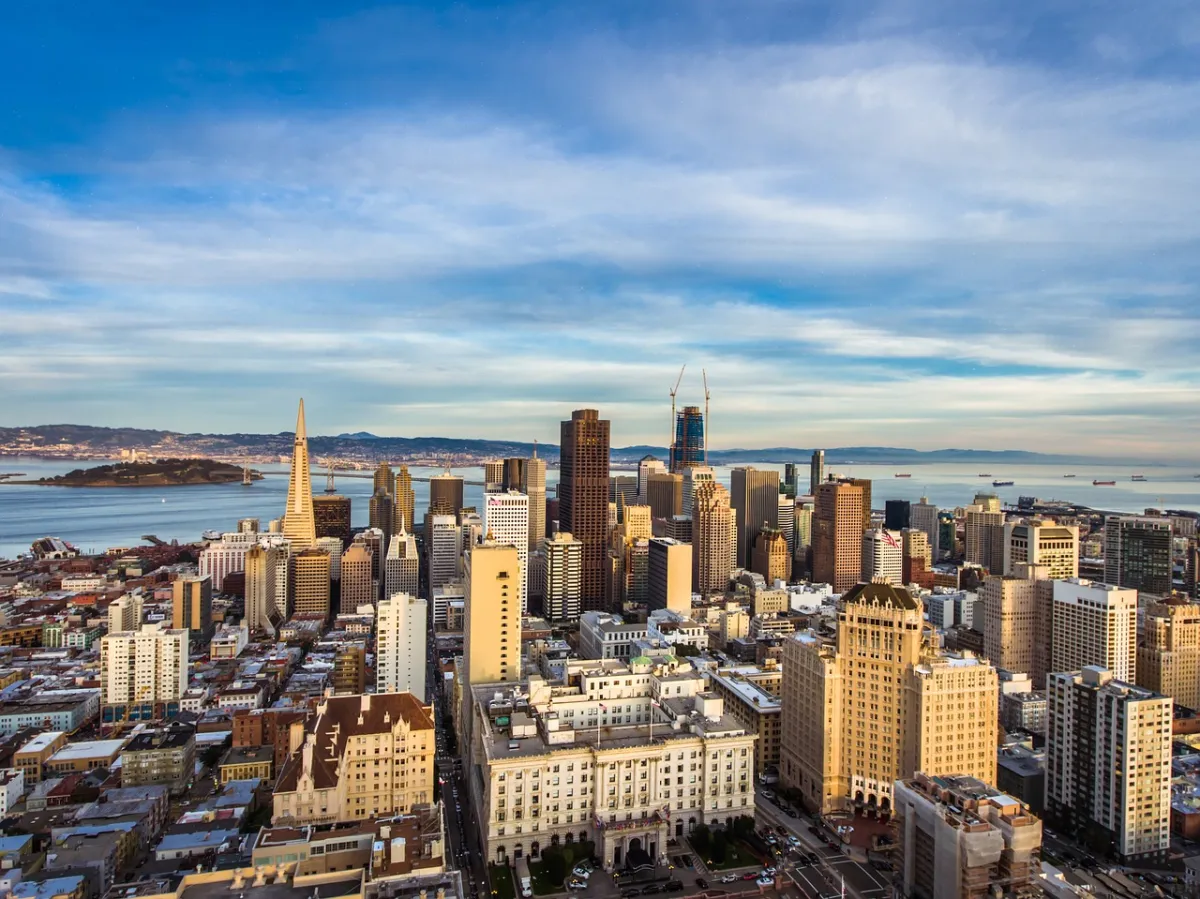 Photo: San Francisco, via www.travelscout24.de
For working-class Americans in particular, the menu carried enormous social weight. Being handed one — being treated as someone with preferences worth consulting — was a small but meaningful act of dignity. You weren't just being fed. You were being served.
This is why the American diner, when it emerged in the early 20th century, leaned so heavily into the oversized, laminated, photograph-illustrated menu. It was deliberately democratic. It said: everyone who walks through this door gets the full treatment.
How the Format Standardized Itself
By the early 20th century, the printed menu had become so fundamental to the American restaurant experience that an entire industry grew up around producing them. Printing companies offered standard templates. Restaurant supply companies sold menu holders. Trade publications ran articles on menu design, typography, and the psychology of item placement.
The language of the menu standardized, too. Certain words — entrée, appetizer, dessert — took on specifically American meanings that sometimes diverged entirely from their French originals. (In France, an entrée is a starter course; in America, it became the main dish — a linguistic flip that still confuses visitors today.)
The physical menu evolved through the 20th century in step with restaurant culture: handwritten specials boards in the 1930s, glossy photo menus in diners of the 1950s, the oversized leather-bound books of fine dining in the 1970s, and eventually the QR code on your phone table today.
Why a Piece of Paper Changed Everything
The menu did something quietly radical to American culture. It established the idea that when you eat out, you have agency. You decide. The restaurant works for you, not the other way around.
That idea — so obvious now that it barely seems like an idea at all — was genuinely novel when it arrived. And it arrived through a chain of misunderstandings, social pretensions, and immigrant ambitions that had almost nothing to do with French culinary tradition and everything to do with the American hunger to be taken seriously.
Next time someone hands you a menu, take a second. You're holding a chef's old kitchen notes, filtered through a century and a half of class anxiety and cultural reinvention. It's a strange little document with a stranger history than anyone ever suspects.