How a Government Pilot Program Accidentally Made Sunglasses the Most American Accessory Ever

Pull up almost any photo of a classic American moment — a road trip in a convertible, a movie star stepping off a plane, a soldier returning home — and there's a good chance someone in the frame is wearing sunglasses. It feels like they've always been there, woven into the fabric of who we are. But the truth is, Americans didn't always reach for tinted lenses the way we do today. That habit was built, almost by accident, on the back of a military contract that nobody expected to go anywhere interesting.
The Army's Altitude Problem
By the early 1930s, the U.S. Army Air Corps had a practical headache on its hands. As aircraft climbed higher and faster, pilots were reporting serious glare fatigue — the kind of squinting, vision-blurring discomfort that made flying at altitude genuinely dangerous. The military needed a solution that was cheap, scalable, and effective enough to issue in bulk.
They turned to Bausch & Lomb, a Rochester, New York optical company that had been making precision lenses since the Civil War era. The Army commissioned the company to develop a tinted lens that could cut through high-altitude glare without distorting a pilot's field of vision. The result, introduced around 1936, was a teardrop-shaped green-tinted lens mounted in a lightweight gold frame. The military called them aviator glasses. Bausch & Lomb would eventually sell them to civilians under a name that stuck: Ray-Ban.
The original intent was purely functional. Nobody in the Army procurement office was thinking about style. They wanted a tool, not a trend.
The Surplus Spill
Here's where things got interesting. When World War II ended and millions of servicemen came home, military surplus equipment flooded the civilian market at rock-bottom prices. Aviator sunglasses were part of that wave. Veterans who had worn them during the war kept wearing them. Surplus stores stocked them by the crate. For a few dollars, any American could own a piece of the same gear that had gone to war.
That association mattered enormously. In postwar America, military equipment carried a kind of cultural authority. If the Army trusted these lenses to protect pilots flying combat missions, they were clearly worth something. The ordinary guy on the street felt the same logic. Suddenly, wearing sunglasses wasn't just about squinting less on a sunny day — it was a subtle nod to competence, toughness, and modernity.
Bausch & Lomb read the room quickly. They began marketing Ray-Bans directly to civilians in the late 1940s, leaning hard into the aviator heritage while quietly expanding the line to include styles suited to everyday wear.
Hollywood Does the Rest
If surplus stores planted the seed, Hollywood poured the fertilizer. Through the late 1940s and into the 1950s, movie studios discovered that sunglasses were extraordinarily useful props. They added mystery to a face. They suggested wealth and detachment. They made stars look like they existed on a slightly different plane than the rest of us.
Actors like Marlon Brando and James Dean wore them off-screen as much as on it, and photographers caught every moment. When those images ran in newspapers and magazines, millions of American readers absorbed a simple equation: sunglasses equal coolness. The accessory stopped being about eye protection and started being about identity.
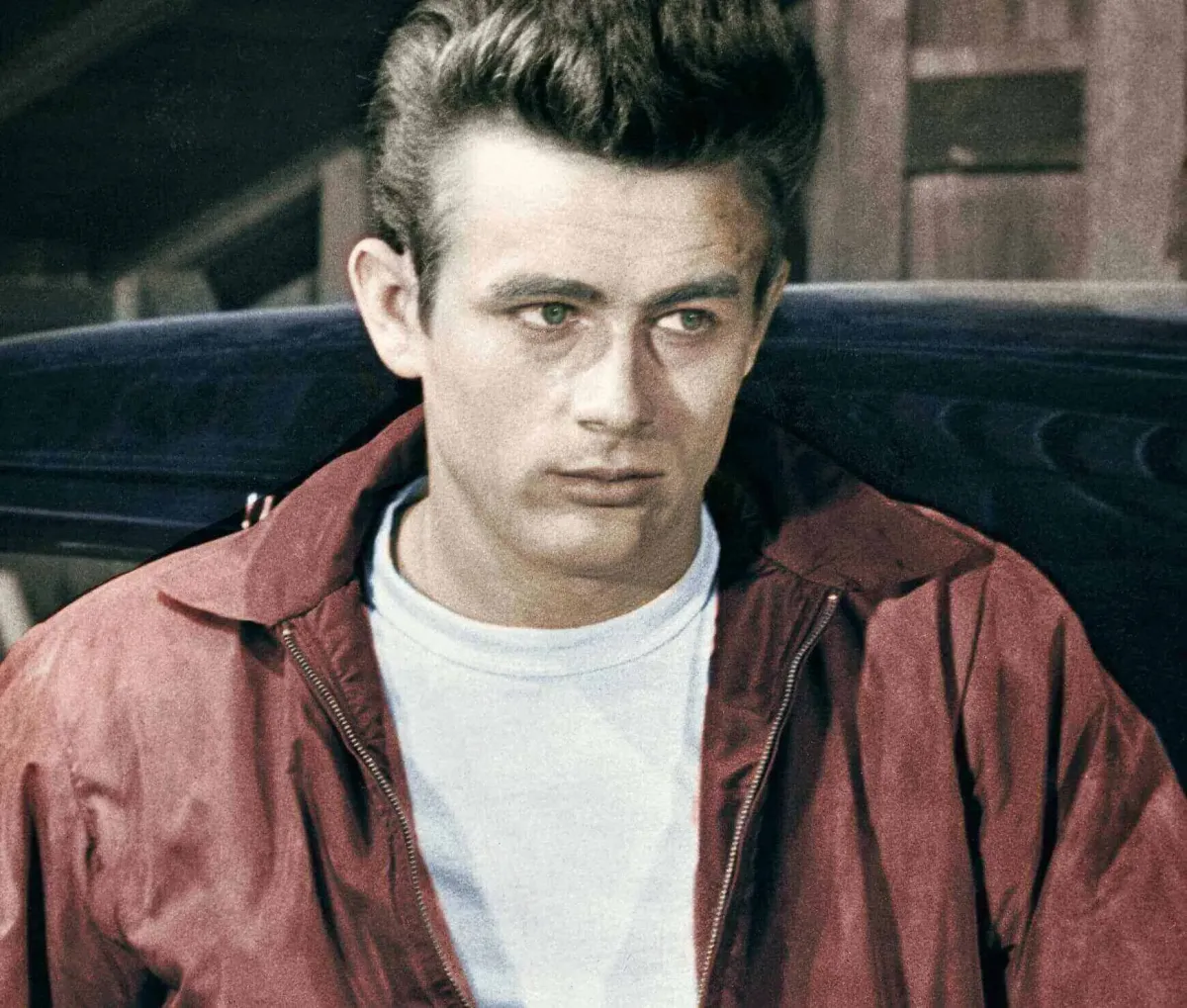 Photo: James Dean, via www.cheatsheet.com
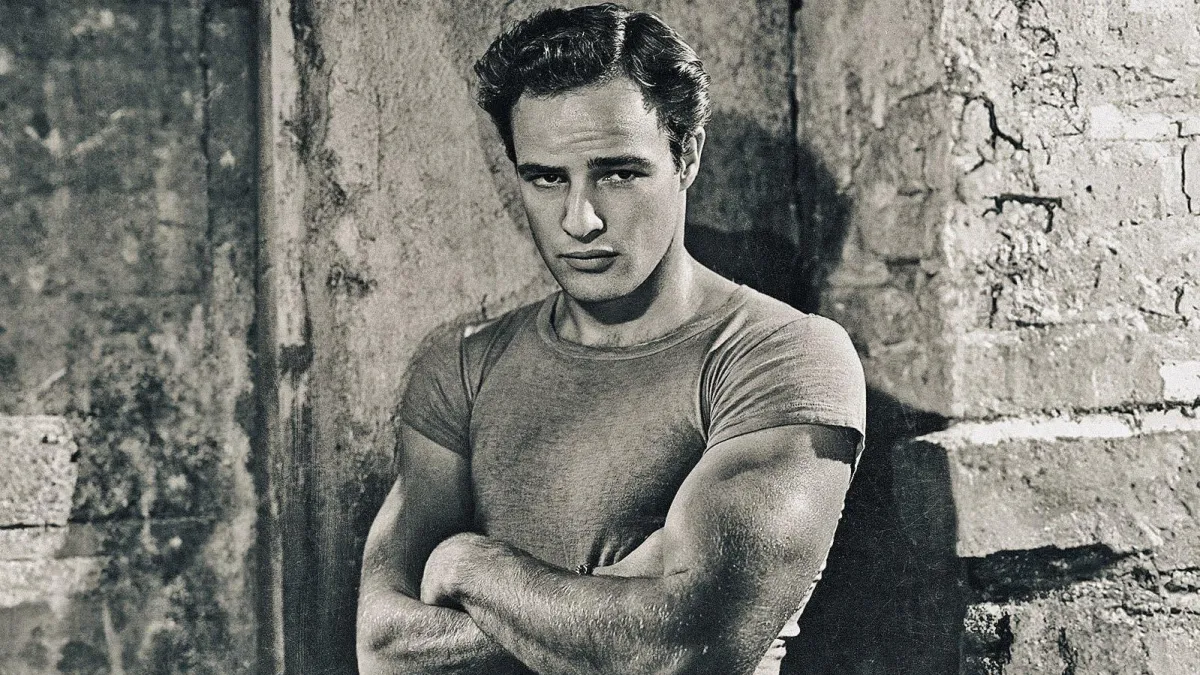 Photo: Marlon Brando, via uozzart.com
The timing was perfect. The postwar economic boom meant that ordinary Americans had disposable income and a powerful appetite for consumer goods that signaled their new prosperity. Sunglasses were affordable enough for almost anyone and visible enough to make a statement. They became one of the era's great democratic luxuries — something a factory worker and a Hollywood star could both own.
From Accessory to Obsession
By the 1960s and 1970s, sunglasses had fractured into a full cultural language. The style you chose said something about who you were. Aviators meant you were classic and confident. Oversized frames suggested glamour and European sophistication. Mirrored lenses implied a certain dangerous cool. Brands competed fiercely, and the American sunglasses market began its climb toward the billions it generates today.
What's remarkable is how thoroughly the medical framing got left behind. Optometrists had long recommended tinted lenses for people with light sensitivity or certain eye conditions. That was the original public health case for the product. But by the time Americans were buying their third or fourth pair, nobody was thinking about corneas. They were thinking about the beach, the highway, the look in the mirror.
Today, the United States ranks among the highest in the world for sunglasses ownership per capita. Americans spend roughly four billion dollars a year on them. The average American household owns multiple pairs, often spread across different rooms and vehicles.
The Accidental Legacy
None of this was planned. The Army wanted to solve a glare problem. Bausch & Lomb wanted a government contract. Surplus dealers wanted to move inventory. Hollywood wanted a good prop. Each step in the chain was driven by something completely unrelated to building a national cultural obsession.
And yet here we are — a country that has made tinted plastic and glass into one of its most recognizable style signatures. The next time you grab a pair before heading out the door, you're participating in a chain of accidents that stretches back to a military procurement office in the 1930s. Those pilots never knew what they were starting.