The War That Taught America to Fear Its Own Dead
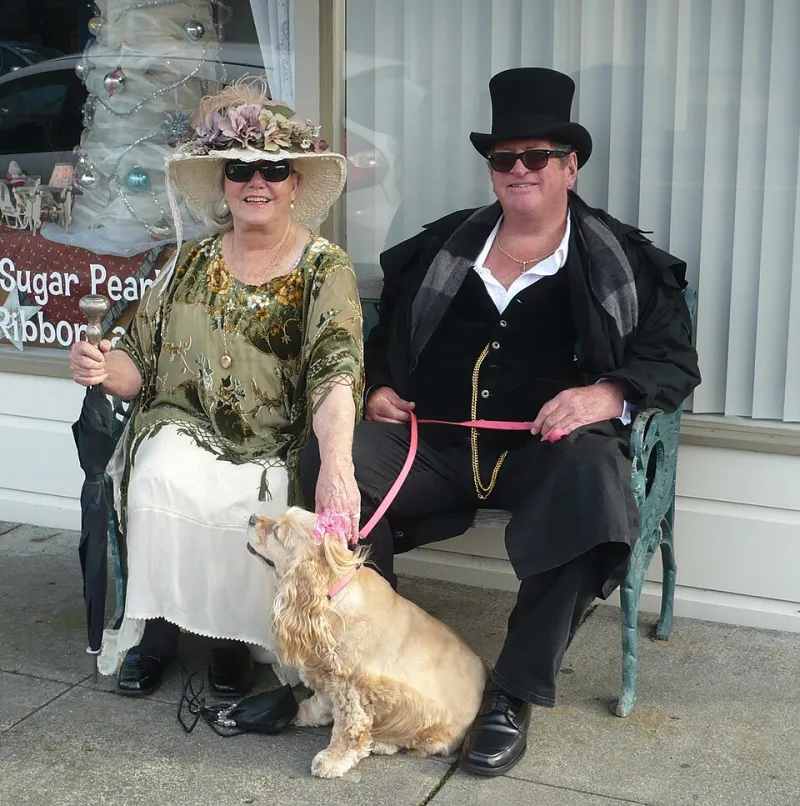
Photo: Ellin Beltz, CC BY-SA 3.0, via Wikimedia Commons
Not so long ago — within the living memory of people who are now very old — the American way of death looked almost nothing like it does today. When someone died at home, the family washed the body. Neighbors came to help. The deceased lay in the parlor, in their own house, surrounded by the people who knew them. A local carpenter built the coffin. Burial happened fast, usually within two or three days, because there was no reason to wait and every practical reason not to.
This was not considered primitive or undignified. It was simply what you did. Death was a domestic event, managed by the household, witnessed by the community.
What happened to that tradition is a story about war, chemistry, salesmanship, and one of the most successful professional lobbying campaigns in American history.
Battlefields and the Problem of Distance
The Civil War created a logistical nightmare that nobody had anticipated. Men were dying hundreds of miles from home — in Virginia, in Tennessee, in Georgia — and their families wanted them back. The problem was that a body could not survive a multi-day train journey in warm weather without intervention. By the time a coffin reached a grieving family in Ohio or Massachusetts, the contents were often unrecognizable.
The Army's solution was embalming. The practice had existed in various forms for centuries, but it had never been applied commercially or at scale. A small number of civilian surgeons and chemists set up operations near battlefields and military hospitals, offering to preserve the bodies of fallen soldiers for transport home. The fee was steep — sometimes equivalent to a month's wages for a working-class family — but families paid it. Seeing a recognizable body, being able to hold a proper funeral, mattered enough to justify the cost.
The most famous early practitioner was Dr. Thomas Holmes, who claimed to have embalmed somewhere between 4,000 and 7,000 soldiers during the war. Holmes was a skilled self-promoter as much as a skilled chemist, and he understood something important: the families who received a preserved, presentable body were deeply grateful. The ones who didn't were devastated. He was selling comfort as much as chemistry.
 Photo: Dr. Thomas Holmes, via doximity-res.cloudinary.com
When Abraham Lincoln was assassinated in April 1865 and his body was embalmed for a two-week funeral train journey from Washington to Springfield, Illinois — with public viewings in city after city along the route — the practice received a kind of national endorsement that no advertising campaign could have manufactured. Hundreds of thousands of Americans saw Lincoln's preserved face. Embalming, for a significant portion of the population, became associated with honor, respect, and the proper treatment of the important dead.
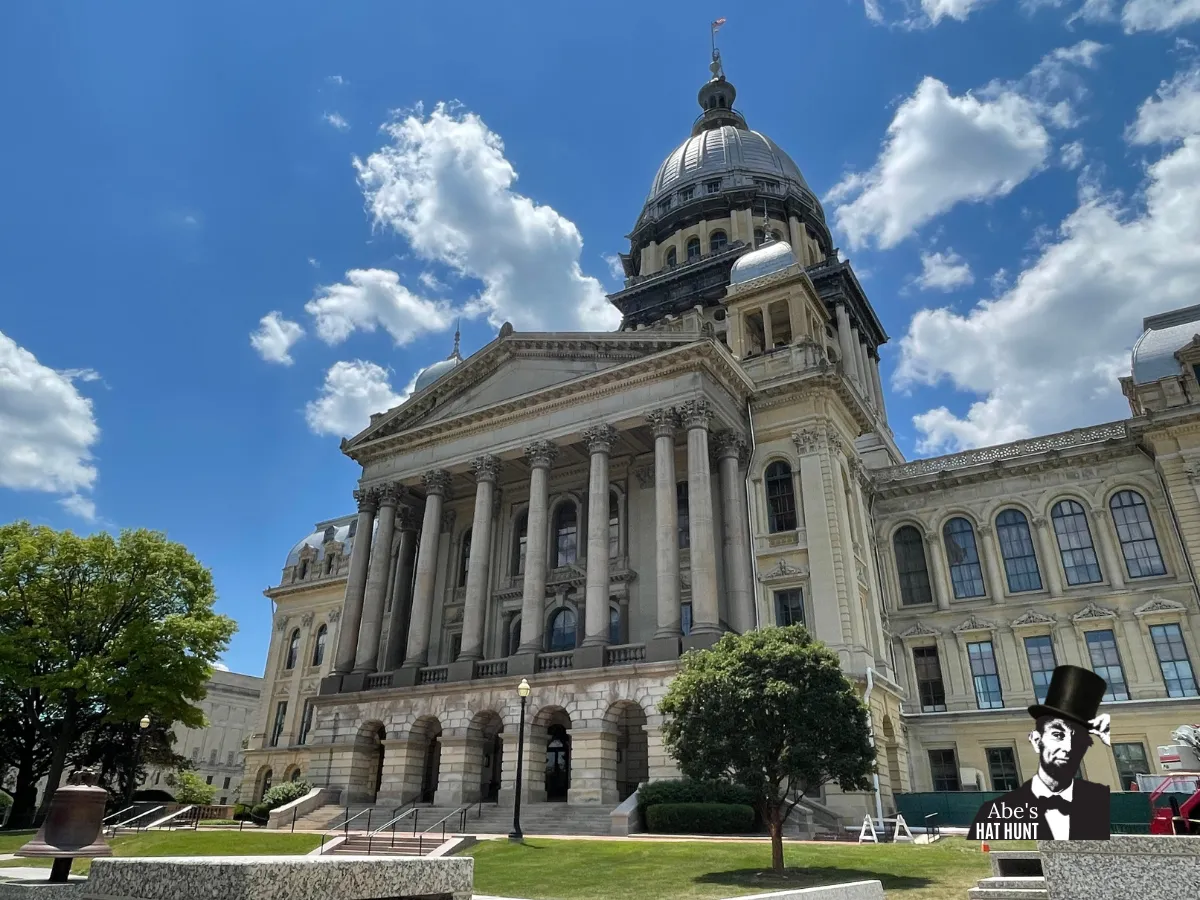 Photo: Springfield, Illinois, via files.idss.com
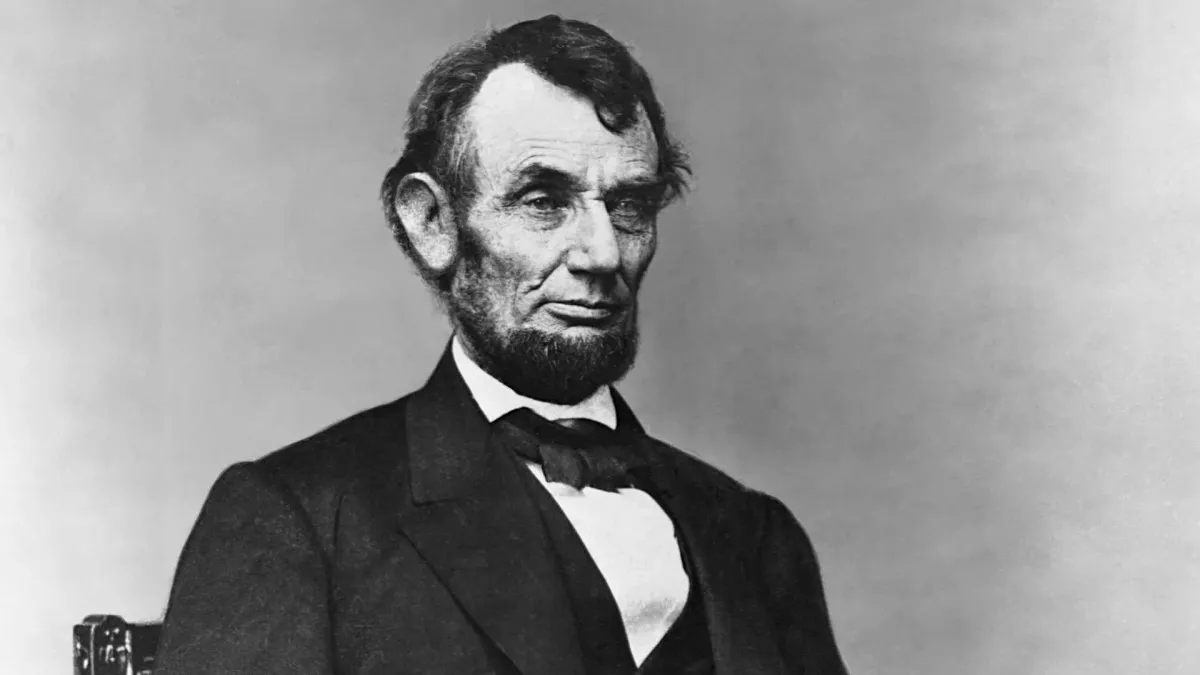 Photo: Abraham Lincoln, via res.cloudinary.com
Building the Profession
The men who had learned embalming during the war came home and saw an opportunity. The practice had proven itself under pressure. Families had demonstrated they would pay for it. All that was needed was a permanent peacetime market.
Through the 1870s and 1880s, a new professional class began to coalesce around the funeral trade. They called themselves undertakers — a term that had previously referred loosely to anyone who managed funeral arrangements — and they began the slow, deliberate work of professionalizing their field. Trade associations formed. Schools opened. Licensing requirements were proposed and, in many states, eventually enacted.
The lobbying effort was sophisticated and patient. Undertakers argued, with considerable force, that embalming was a public health measure — that an unembalmed body posed risks to the community, that amateur handling of the dead was dangerous, that trained professionals were a necessity rather than a luxury. In an era when germ theory was new and anxiety about contagion was high, this argument landed well. State legislatures began passing laws that required licensed professionals to handle the dead, effectively removing the legal right of families to manage their own relatives' bodies.
The public health argument was, at best, overstated. Modern epidemiology has found little evidence that unembalmed bodies in typical circumstances pose meaningful risk to healthy communities. But in the late 19th century, the science was unsettled enough that the undertakers' claims were difficult to challenge, and the emotional appeal of professional care was powerful enough that most families didn't try.
The Parlor Becomes the Funeral Home
As undertakers consolidated their professional position, they also began a subtle campaign to change where death happened. The domestic parlor — the room in the home historically used to receive guests and, when necessary, to display the dead — was reframed as an inappropriate setting for a body. Undertakers offered their own facilities, where the deceased could be properly prepared and displayed in a controlled, professional environment.
The shift was gradual, but its effects were profound. Moving the body out of the home meant moving the management of grief out of the home. Families who had previously washed, dressed, and sat with their dead now dropped them off and came back for the service. The intimate, messy, domestic experience of death was replaced by a transaction with a service provider.
By the early 20th century, the word parlor had even developed a slightly morbid connotation — which is exactly why, in 1913, the furniture industry launched a campaign to rename the domestic parlor the living room. The association with death had become commercially inconvenient.
The Industry That Outlasted Its Justification
Today, the American funeral industry generates roughly $20 billion annually. The average American funeral costs somewhere between $7,000 and $12,000. Embalming — which is not legally required in most states and is medically unnecessary in the vast majority of cases — is routinely performed and routinely charged for, often without families fully understanding that they have the right to decline it.
The industry that built itself on a wartime emergency measure and a public health argument of questionable validity has proven extraordinarily durable. It has survived the rise of cremation, the growth of the green burial movement, and decades of consumer advocacy. It has done so partly through genuine service and partly through the accumulated weight of a tradition it largely invented.
The families who handed control of their dead to a professional class in the 1870s probably didn't think of themselves as making a permanent cultural decision. They were just doing what seemed right and proper, in a moment when a new profession had worked very hard to define what right and proper meant.
That definition stuck. And somewhere along the way, the idea that a family might simply take care of their own dead — the thing Americans had done for their entire history before the Civil War — became not just unusual, but faintly unthinkable.