Nickels, Rage, and Concrete: The Invention That Turned Parking Into a Punishment
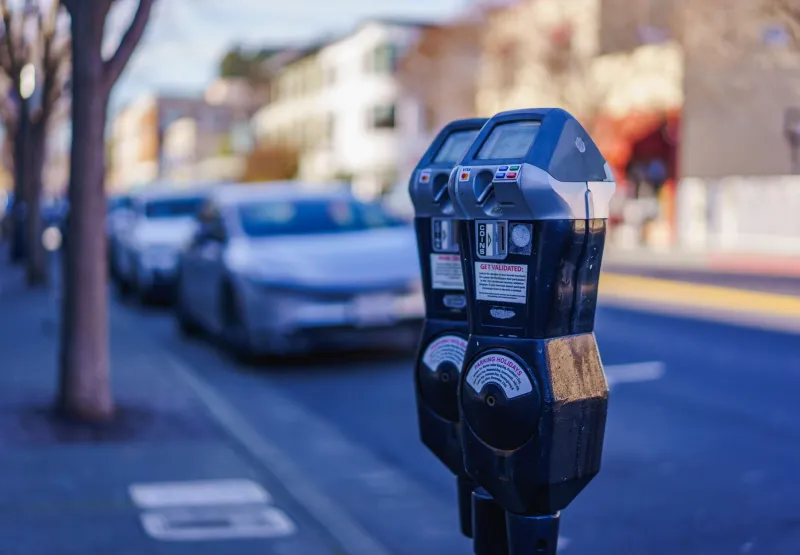
There are very few machines in American life that inspire the kind of cold, immediate fury that a parking meter does. You see the red flag, you feel your stomach drop, you find the ticket tucked under your wiper — and somewhere deep in your chest, a very specific kind of resentment ignites. It's personal. It feels like the city is punishing you for simply showing up.
What's strange is that the parking meter wasn't invented to punish anyone. It was invented to save small businesses. And the man who built it was a journalism professor who had never designed a piece of hardware in his life.
The Problem Nobody Could Solve
By the early 1930s, downtown Oklahoma City had a serious problem. Cars were everywhere — and their owners were leaving them everywhere, too. Workers from nearby offices would park on the main commercial strips in the morning and leave their vehicles sitting there all day, blocking the very spots that paying customers needed to reach local shops. Merchants were watching foot traffic dry up not because people didn't want to shop, but because there was nowhere to park when they arrived.
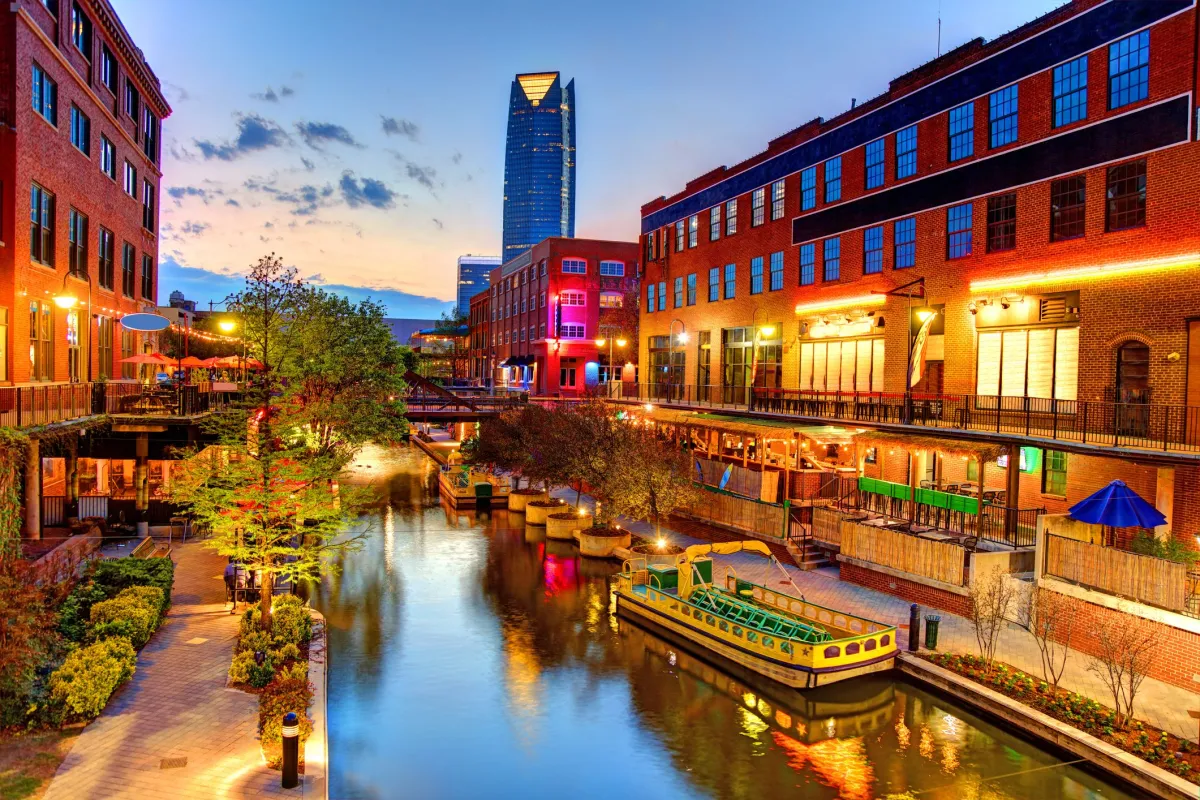 Photo: Oklahoma City, via www.tripsavvy.com
The Oklahoma City Chamber of Commerce formed a traffic committee to figure out what to do. They tapped Carlton Cole Magee — a newspaper editor and journalism professor with a reputation for aggressive problem-solving — to chair it. Magee had no background in engineering or urban planning. What he had was a stubborn, practical mind and a genuine belief that the downtown shopping district could be saved if someone just applied a little creative pressure.
 Photo: Carlton Cole Magee, via biographs.org
His solution was almost insultingly simple: charge people for the time they spent parked.
A Patent, a Prototype, and an Immediate Lawsuit
Magee sketched out the concept for a coin-operated timing device that would be bolted to the curb. Drop in a nickel, get an hour. Let the time expire, get a fine. The idea was that short-term shoppers would cycle through quickly, keeping spaces available, while all-day parkers would find it too expensive to sit still.
He filed for a patent in 1935 and partnered with a Tulsa-based company to manufacture the first units. On July 16, 1935, 150 of them were installed along Park Avenue in Oklahoma City. The Black Maria — as the first meter was nicknamed — accepted a penny for twelve minutes or a nickel for an hour. Within days, the city had issued its first parking violations.
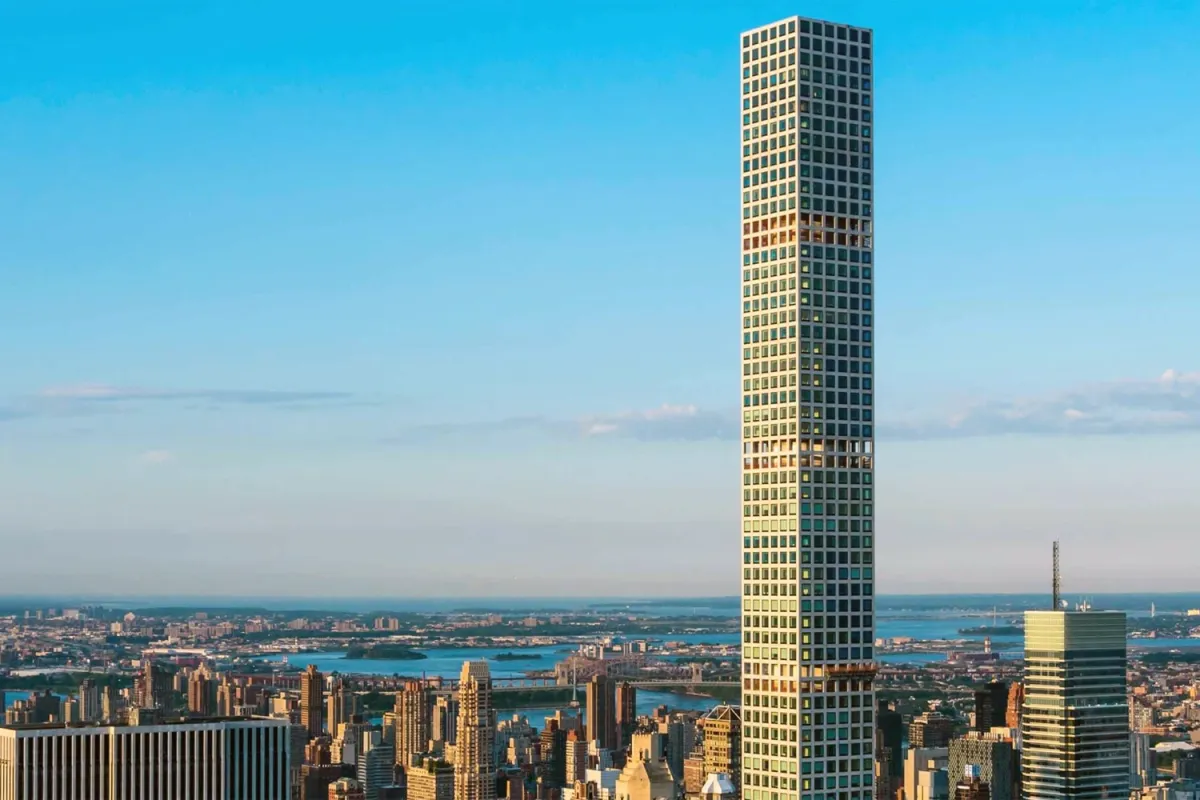 Photo: Park Avenue, via parametric-architecture.com
Almost immediately, a man named Gerald Hale stepped forward claiming he had invented the concept first. Hale had submitted a similar idea to the traffic committee before Magee filed his patent, and he sued. The legal battle dragged on for years, tangling up the early commercial rollout of the device and establishing a tradition of parking-related litigation that American municipalities have been navigating ever since. Magee ultimately retained his patent, but the dispute planted an early seed of controversy around a machine that would spend the next century generating controversy almost as reliably as it generated revenue.
From Convenience Tool to Cash Machine
The original pitch to cities was straightforward: meters would improve traffic flow, help local retailers, and pay for themselves through violation fines. That last part turned out to be the detail that stuck.
As cities across the country began installing meters through the late 1930s and into the postwar boom, municipal finance departments discovered something remarkable. The combination of meter fees and parking tickets was generating serious money. By the 1950s, major American cities were collecting millions of dollars annually from parking enforcement alone. The device that was supposed to rescue the corner shop had quietly become one of the most reliable revenue tools in local government.
That shift in purpose — from traffic management to income generation — is exactly where the public's relationship with the parking meter started to curdle. Drivers began to sense, correctly, that the meter's primary function had less to do with keeping spaces available and more to do with keeping city coffers full. Enforcement became aggressive. Meter maids became stock villains. The Beatles wrote a song about one.
Vandalism, Politics, and the Meter's Long War With the Public
The backlash was never subtle. From the 1940s onward, parking meters were routinely vandalized — bent, pried open, and smashed — in cities across the country. In some towns, anti-meter sentiment became a genuine political movement. Merchants who had originally supported the concept reversed course when they realized that customers resented paying to park almost as much as they resented not being able to find a spot.
Politicians learned quickly that parking meters were a third rail. Promising to remove them was a reliable crowd-pleaser. Actually removing them was rarer. The revenue was simply too good to walk away from.
The meter evolved over time — from mechanical coin slots to digital displays to the modern multi-space pay stations that now dominate city blocks — but the underlying tension never resolved. Cities need the income. Drivers resent the imposition. And the fundamental question Magee's invention raised — who owns the public street, and what right does a city have to charge you for using it — remains genuinely unresolved in American political culture.
The Quiet Legacy of a Nickel's Worth of Time
Carlton Magee died in 1946, just eleven years after his invention changed the way American cities worked. He probably didn't anticipate that the device would become a symbol of municipal overreach, a target of public fury, and ultimately a multibillion-dollar industry spanning parking technology, enforcement software, and urban consulting.
What he built, at its core, was a mechanism for putting a price on time spent in public space. That idea — that your presence somewhere costs something, that even stillness has a meter running — turned out to be one of the defining anxieties of modern urban life.
Next time you're feeding quarters into a machine on a city sidewalk, remember: you're participating in a solution to a problem that's been forgotten, designed by a man who just wanted the shops to survive.