The Lab Accident That Turned Ancient Blue Into Denim's Signature Color
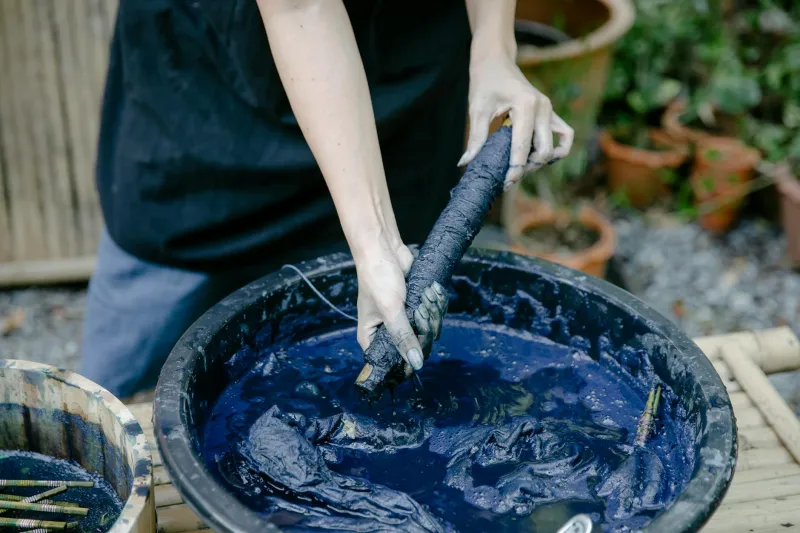
Every pair of blue jeans in your closet shares the same color story—a shade of blue that once cost more than gold, built fortunes in colonial South Carolina, and disappeared from agriculture forever because of a German chemist's laboratory mistake in 1878. The indigo that makes denim "blue" has one of the strangest origin stories in fashion history.
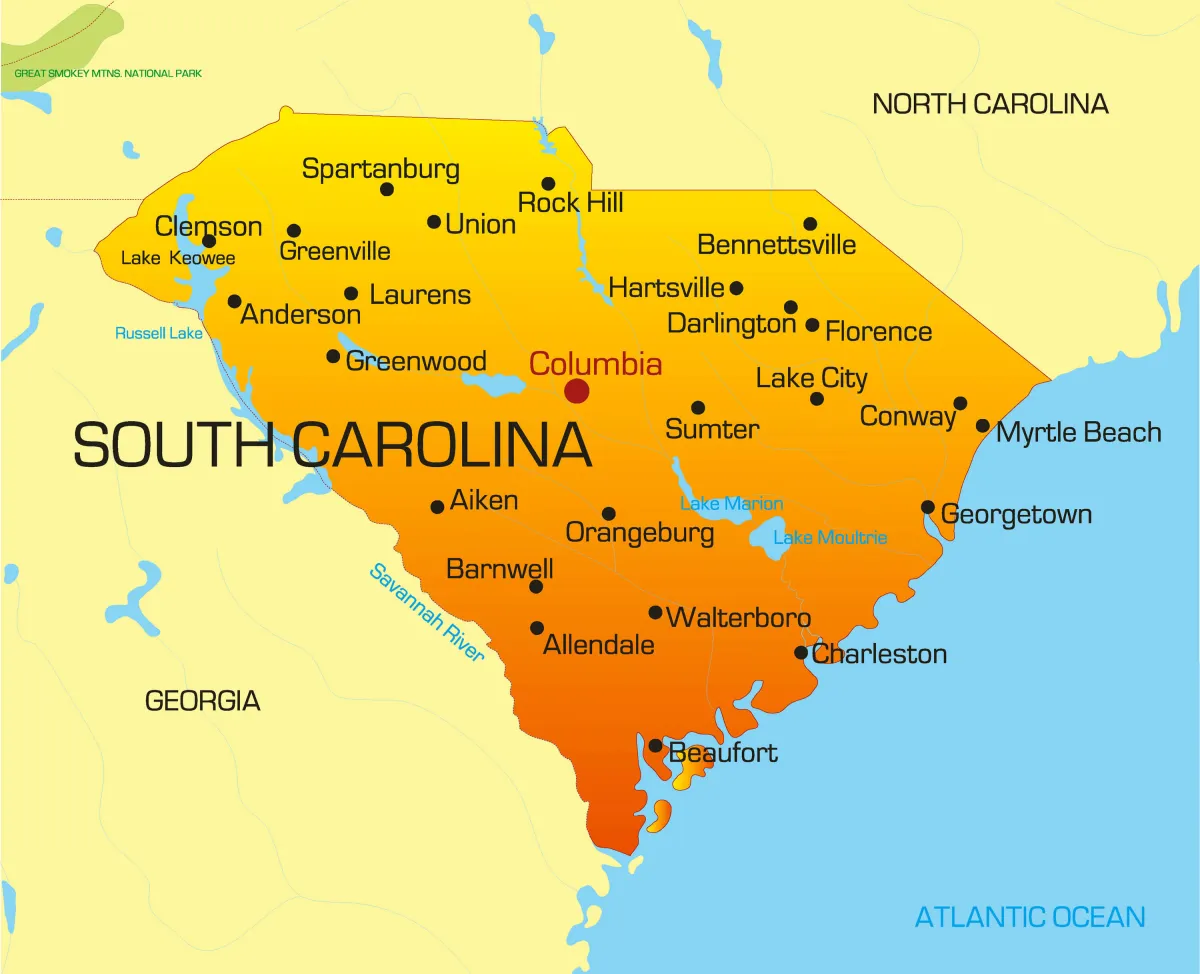 Photo: South Carolina, via www.guideoftheworld.com
The Ancient Art of Blue
For over 4,000 years, humans coveted indigo blue above almost every other color. Unlike other dyes that could be extracted by simply boiling plants, indigo required a complex fermentation process that bordered on alchemy. The dye came from various plants—primarily Indigofera tinctoria in Asia and Isatis tinctoria (woad) in Europe—but the chemistry was the same: a colorless compound that magically turned blue when exposed to air.
The process was so difficult and the results so valuable that indigo became known as "blue gold." In ancient Rome, wearing indigo was a sign of extreme wealth. In medieval Europe, sumptuary laws restricted who could wear the color. The dye was literally worth more per pound than the precious metal.
But indigo's most dramatic chapter played out in the American South, where a teenage girl turned the plant into the foundation of a colonial economy.
Eliza Lucas and the Carolina Gold Rush
In 1739, sixteen-year-old Eliza Lucas was managing her father's South Carolina plantations when she decided to experiment with indigo cultivation. Her father had sent seeds from the Caribbean, but growing the plants was only half the battle—extracting usable dye required mastering a fermentation process that had stumped European colonists for decades.
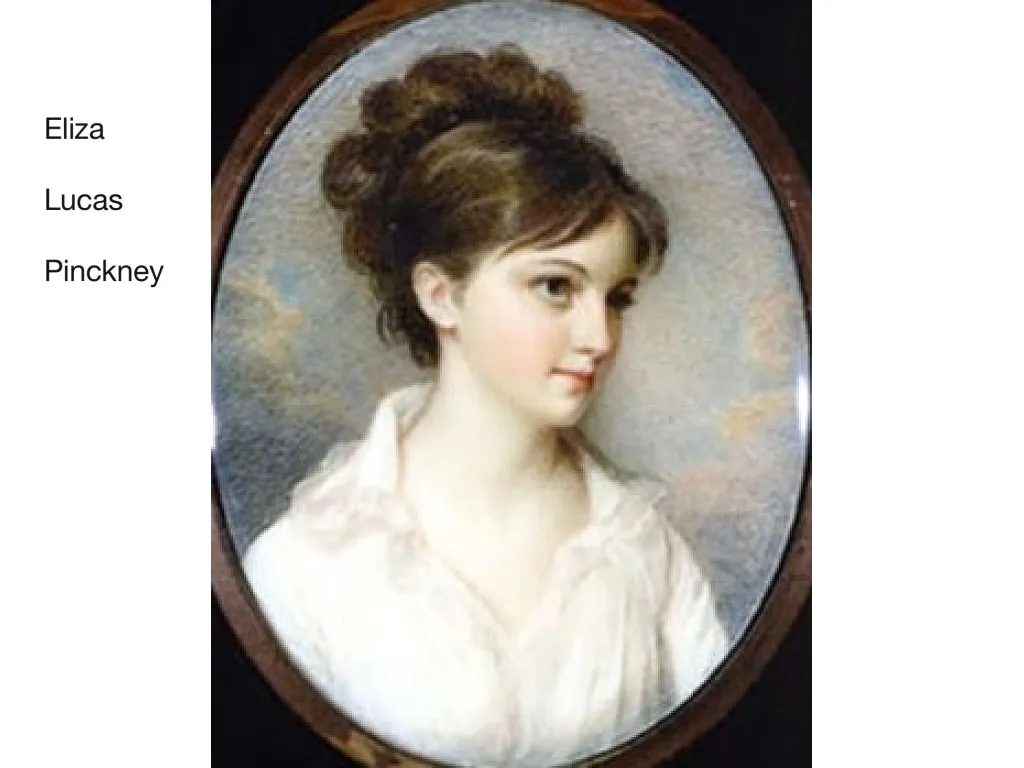 Photo: Eliza Lucas, via showme0-9071.kxcdn.com
Lucas spent three years perfecting the technique, learning through trial and error how to time the fermentation, control the pH, and prevent the whole batch from spoiling. When she finally succeeded in 1742, she had created what would become South Carolina's second-largest export crop after rice.
By the 1770s, South Carolina was producing over a million pounds of indigo annually, most of it shipped to textile mills in England. The crop was so valuable that the British government offered bounties to encourage production. Indigo plantations made their owners wealthy and helped finance the colonial resistance that would eventually become the American Revolution.
Then the Revolution changed everything. British bounties disappeared, and South Carolina's indigo industry began a slow decline that would last nearly a century.
The Workingman's Blue
While South Carolina's indigo boom was ending, the color found new life in an unexpected place: workwear. In the mid-1800s, American textile manufacturers discovered that indigo-dyed cotton was perfect for heavy-duty clothing. The dye was relatively colorfast, it hid dirt well, and it developed an appealing worn look over time.
Levi Strauss and Jacob Davis chose indigo for their revolutionary riveted work pants in 1873, but they weren't thinking about fashion—they were thinking about practicality. Indigo was affordable (compared to other permanent dyes), it looked professional enough for respectable work, and it aged gracefully under hard use.
The deep blue that would eventually define American casual wear started as purely functional choice. Cowboys, railroad workers, and miners wore indigo because it worked, not because it looked good.
The German Accident That Changed Everything
In 1878, German chemist Adolf von Baeyer was working in his laboratory, trying to understand the molecular structure of indigo, when he accidentally created something remarkable: synthetic indigo. The artificial version was chemically identical to the plant-based dye but could be produced in a factory without the complex fermentation process that had guarded the secret for millennia.
 Photo: Adolf von Baeyer, via i.ytimg.com
Baeyer's discovery didn't immediately change the world—it took another 18 years to develop a commercially viable production method. But when BASF began manufacturing synthetic indigo in 1897, the impact was swift and devastating for traditional indigo farmers.
Synthetic indigo was cheaper, more consistent, and available in unlimited quantities. Within two decades, natural indigo cultivation virtually disappeared. South Carolina's last commercial indigo plantation closed in the 1910s. Thousands of years of agricultural tradition ended almost overnight.
From Workwear to Worldwide
The availability of cheap, reliable synthetic indigo transformed denim from practical workwear into something much larger. Without the constraints of natural dye production, manufacturers could produce blue jeans in unprecedented quantities.
Hollywood helped spread the appeal in the 1930s and 1940s, when Western movies made cowboy clothing fashionable among urban audiences. But the real transformation came in the 1950s, when teenagers adopted jeans as a symbol of rebellion against their parents' formal dress codes.
By the 1960s, blue jeans had evolved from work clothes to counterculture uniform to mainstream casual wear. The indigo that had once been reserved for the wealthy was now the color of democratic fashion—accessible to everyone, appropriate for almost any casual occasion.
The Persistence of Blue
Today, the global denim industry uses roughly 50,000 tons of synthetic indigo annually. That's more indigo than was produced naturally in the entire history of human civilization. Every major jeans manufacturer—Levi's, Wrangler, Lee, and hundreds of others—relies on the same synthetic chemistry that Adolf von Baeyer stumbled upon in his German laboratory 145 years ago.
Interestingly, some premium denim makers have recently returned to natural indigo, marketing it as artisanal and authentic. But these represent a tiny fraction of global production. For practical purposes, natural indigo exists only as a curiosity.
The blue in your jeans connects you to ancient civilizations, colonial agriculture, industrial chemistry, and global fashion trends. It's a color that once signified extreme wealth, then honest work, then youthful rebellion, and now simply... normalcy.
That everyday blue carries the entire history of human ingenuity, from fermentation pits in ancient India to a German chemist's accidental breakthrough to the global supply chains that put affordable jeans in closets around the world. Sometimes the most common things have the most extraordinary stories.