How Fabric Rationing Painted America's Brides White
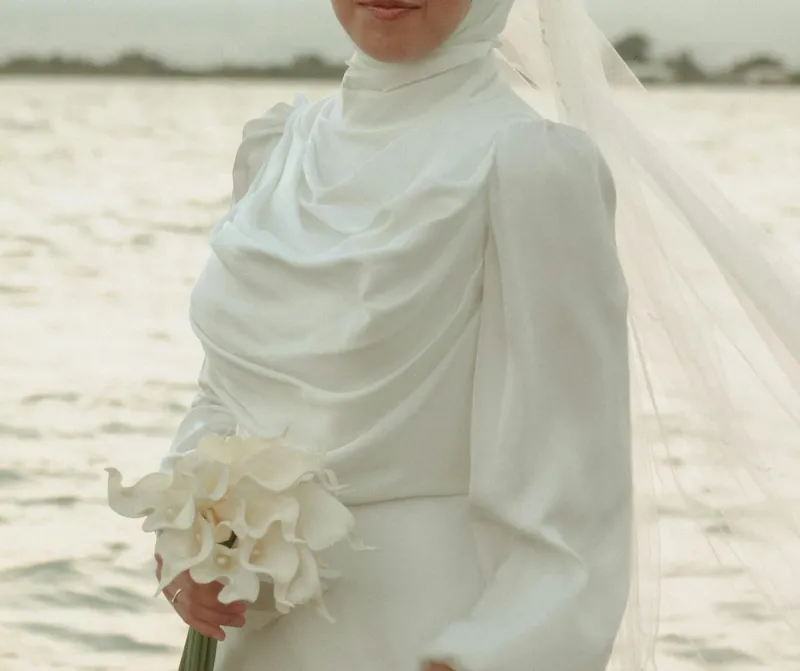
When Brides Wore Rainbow Colors
Flip through any American family photo album from the early 1900s, and you'll find a surprise: brides dressed in deep burgundy, forest green, navy blue, even black. White wedding dresses existed, but they were considered impractical luxury items for the wealthy. Most American brides chose their "best dress"—whatever color it happened to be—and wore it proudly down the aisle.
This practical approach to wedding attire made perfect sense. A colored dress could be worn again for church, social events, or special occasions. White silk, on the other hand, was expensive, delicate, and easily stained. Many communities actually considered white wedding dresses somewhat morbid, associating the color with burial shrouds and mourning clothes.
Then came World War II, and everything changed.
When War Rationed Romance
By 1942, the U.S. government had imposed strict rationing on fabrics and materials needed for the war effort. Silk was diverted to parachutes. Wool went to military uniforms. Even cotton was carefully allocated. The War Production Board issued Regulation L-85, which limited the amount of fabric that could be used in civilian clothing.
 Photo: War Production Board, via c8.alamy.com
Brides faced a particular challenge. Traditional wedding dress fabrics—silk, satin, and elaborate lace—were either unavailable or prohibitively expensive. Many young women getting married before their sweethearts shipped overseas had to make do with whatever fabric they could find.
Interestingly, this scarcity had an unexpected side effect: it democratized wedding dress colors. When you could only get two yards of fabric, the color mattered less than the availability. Brides wore dresses made from curtain fabric, repurposed formal gowns, and even modified military surplus materials.
Hollywood's Wartime Wedding Machine
While real brides struggled with rationing, Hollywood was busy creating a fantasy version of American romance. Movie studios, largely exempt from fabric restrictions for costume purposes, began featuring elaborate white wedding scenes in wartime films. These weren't just random costume choices—they were carefully calculated to provide escapist glamour for audiences dealing with rationing and uncertainty.
Films like "Since You Went Away" (1944) and "The Best Years of Our Lives" (1946) featured stunning white wedding dresses that seemed to glow against the black-and-white cinematography. For audiences accustomed to making do with less, these cinematic weddings represented the kind of abundance and beauty that the war had temporarily suspended.
The psychological impact was profound. White wedding dresses began to symbolize not just marriage, but the prosperity and normalcy that Americans hoped to reclaim after the war. The color became associated with optimism, new beginnings, and the American dream itself.
The Trade Association That Rewrote Tradition
As the war ended and fabric restrictions lifted, the bridal industry saw an unprecedented opportunity. The National Bridal Service, a trade association founded in 1945, launched what they called the "White Wedding Campaign." Their mission was simple: convince American women that white was the only appropriate color for a wedding dress.
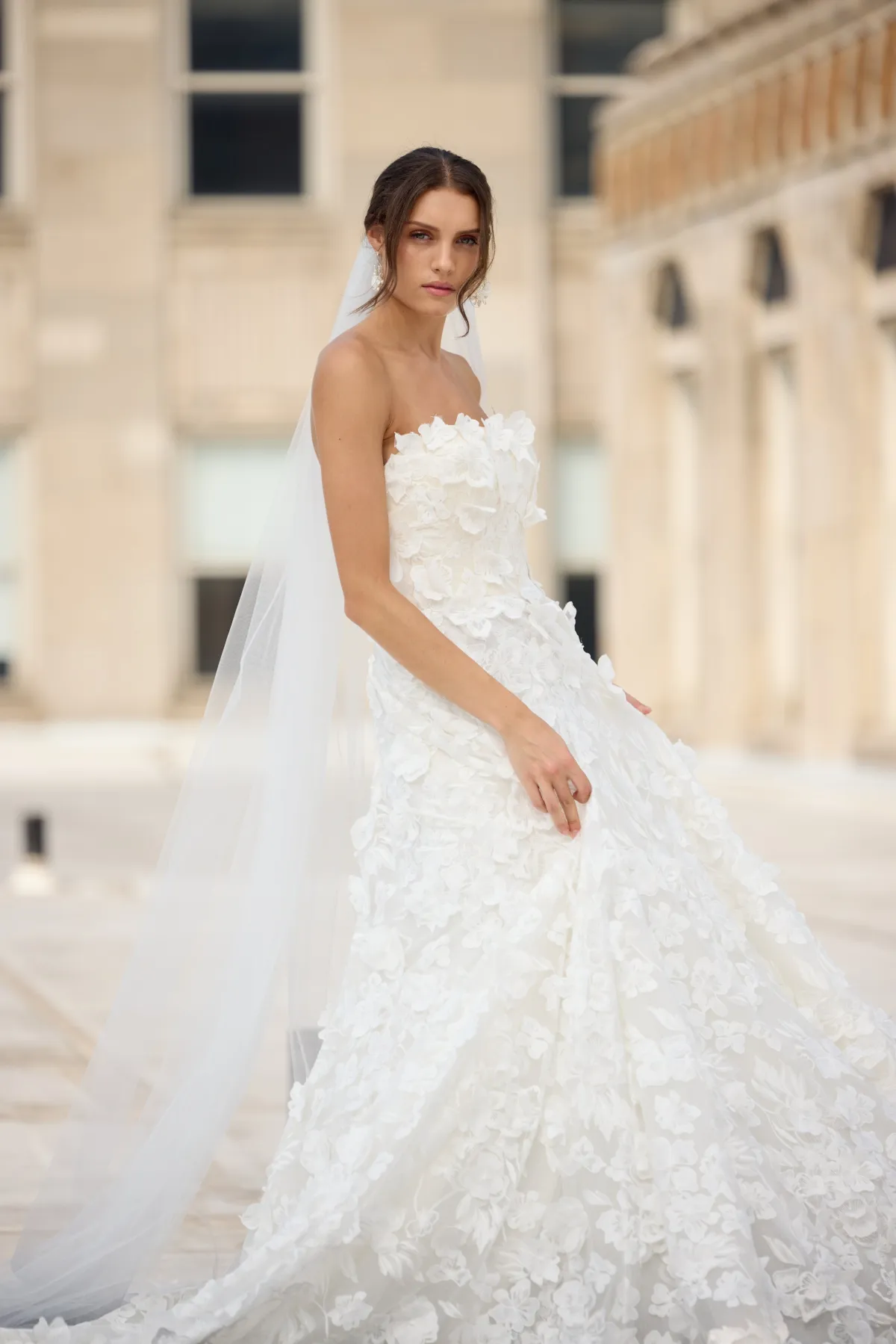 Photo: National Bridal Service, via images.squarespace-cdn.com
The campaign was brilliant in its simplicity. Rather than admitting that white weddings were a recent trend, the association claimed they were reviving an "ancient tradition" that had been temporarily disrupted by the war. They published pamphlets with titles like "The Sacred Tradition of the White Wedding" and "Restoring America's Bridal Heritage."
The association also worked closely with women's magazines, providing free articles about wedding planning that consistently featured white dresses. They partnered with department stores to create dedicated bridal sections that showcased exclusively white gowns. Within five years, they had successfully rewritten American wedding history.
The Perfect Storm of Post-War Prosperity
Several factors converged to make the white wedding campaign incredibly successful. First, post-war prosperity meant that many families could afford the luxury of a dress worn only once. The booming economy made single-use wedding gowns financially feasible for the growing middle class.
Second, the baby boom generation was reaching marriageable age. Young couples, influenced by Hollywood glamour and eager to embrace symbols of prosperity, were receptive to the idea that their weddings should be elaborate productions rather than simple ceremonies.
Third, the rise of suburban culture created new social pressures around wedding displays. In tight-knit suburban communities, weddings became opportunities to demonstrate family success and social status. The white wedding dress became a visible symbol of achieving the American dream.
From Marketing Campaign to Sacred Tradition
By 1955, white wedding dresses had achieved something remarkable: they felt traditional. Bridal magazines treated white as the obvious, natural choice. Etiquette books declared colored wedding dresses inappropriate. Even families who had worn colored dresses for generations began to see white as the "correct" option.
The transformation was so complete that most Americans forgot their own history. Grandmothers who had worn blue or green to their own weddings began advising granddaughters that white was essential. The marketing campaign had successfully erased cultural memory and replaced it with manufactured tradition.
Department stores played a crucial role in cementing this change. They created elaborate bridal departments that treated white dress shopping as a rite of passage. The experience of trying on white gowns became part of the engagement process, reinforcing the idea that white was not just preferable but mandatory.
The Tradition That Wasn't
Today, asking an American bride why she's wearing white will typically produce answers about "tradition," "purity," or "what brides have always done." Few realize they're participating in a marketing success story that's barely 75 years old.
The white wedding dress has become so deeply embedded in American culture that challenging it seems almost sacrilegious. Brides who choose colored dresses are often seen as rebellious or unconventional, even though they're actually returning to historical American practice.
This transformation reveals something fascinating about how traditions are created and maintained in modern consumer culture. A combination of wartime disruption, Hollywood glamour, strategic marketing, and post-war prosperity managed to rewrite centuries of American wedding customs in less than a decade.
The Color of American Dreams
The white wedding dress succeeded because it tapped into deeper American aspirations about prosperity, respectability, and new beginnings. In a culture that values reinvention and upward mobility, the idea of a pristine white dress—expensive, impractical, and worn only once—became the perfect symbol of having "made it."
What started as a wartime fabric shortage accidentally created the conditions for one of the most successful rebranding campaigns in American history. The next time you see a bride in white, remember: you're not witnessing an ancient tradition. You're seeing the lasting power of mid-century marketing, dressed up as timeless romance.