Black Silk and Big Business: How Victorian Grief Built Modern Fashion

The Business of Bereavement
Every piece of clothing in your closet—from your favorite jeans to your formal wear—owes its existence to a peculiar Victorian obsession with death. The modern American fashion industry, with its standardized sizes, mass production, and ready-to-wear clothing, was born not from creativity or commerce, but from the rigid demands of 19th-century mourning etiquette.
In Victorian America, grief had rules. Strict, unforgiving rules that governed every aspect of a widow's appearance for years after her husband's death. These weren't suggestions—they were social mandates that could determine a woman's standing in her community, her children's prospects, and her own survival in a world where reputation was currency.
The mourning dress code was brutally specific: first-year widows wore deep black with no ornamentation, second-year widows could add minimal black jewelry, and third-year widows were permitted to introduce small amounts of gray or purple. The fabric had to be matte—no shine, no shimmer—and the style had to be conservative. Most importantly, the clothing had to be new. Wearing pre-existing black clothing was considered disrespectful to the deceased.
The Unexpected Market
This created an enormous and unexpected business opportunity. In the 1860s, roughly 620,000 American men died in the Civil War, creating hundreds of thousands of new widows who needed appropriate mourning attire. But the demand extended far beyond war widows—in an era when average life expectancy was around 40 years, most American women would spend significant portions of their lives in mourning dress.
Traditional dressmakers, who created custom garments for individual clients, found themselves overwhelmed. A skilled seamstress might complete one mourning dress per week, but she was facing orders for dozens. Grieving families couldn't wait months for custom work—social expectations demanded immediate compliance with mourning protocols.
Entrepreneurial merchants saw an opportunity, but they faced a fundamental problem: how do you mass-produce clothing for women you've never met?
The Size Revolution
Before the mourning dress crisis, American clothing was almost entirely custom-made. A dressmaker would take dozens of measurements and create patterns specific to each customer. The concept of standardized sizes simply didn't exist—it was considered impossible to create clothing that would fit unknown customers.
But desperate times called for innovative solutions. In 1863, a Boston merchant named Ebenezer Butterick was struggling to meet demand for mourning dresses when his wife suggested a radical approach: what if they studied the measurements of their existing customers to find common patterns?
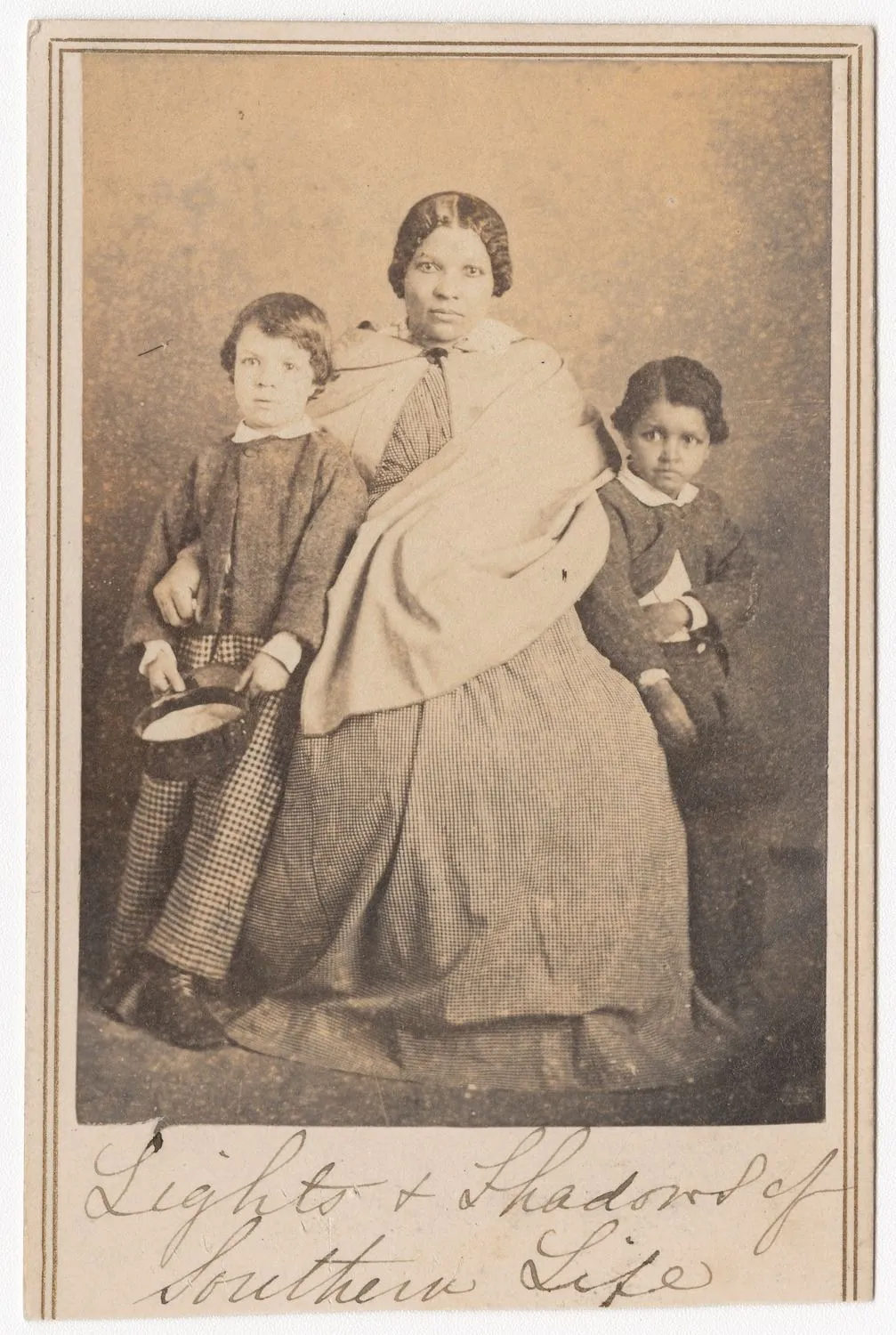 Photo: Ebenezer Butterick, via i.pinimg.com
Butterick and his team began analyzing hundreds of measurement records from local dressmakers. They discovered something surprising: despite individual variations, women's bodies clustered around predictable proportions. A woman with a 24-inch waist typically had a 36-inch bust and 38-inch hips, give or take a few inches.
This revelation led to the creation of America's first standardized sizing system. Butterick developed a series of "standard forms"—essentially the first clothing sizes—based on these statistical averages. He started with just four sizes: Small, Medium, Large, and Extra Large, each corresponding to specific bust measurements.
Mass Production Meets Mass Grief
With standardized sizes established, merchants could finally mass-produce mourning dresses. Factories that had previously made uniforms for the Union Army quickly retooled to produce black dresses in standard sizes. The economies of scale were dramatic—a factory could produce fifty size-Medium mourning dresses for less than the cost of five custom gowns.
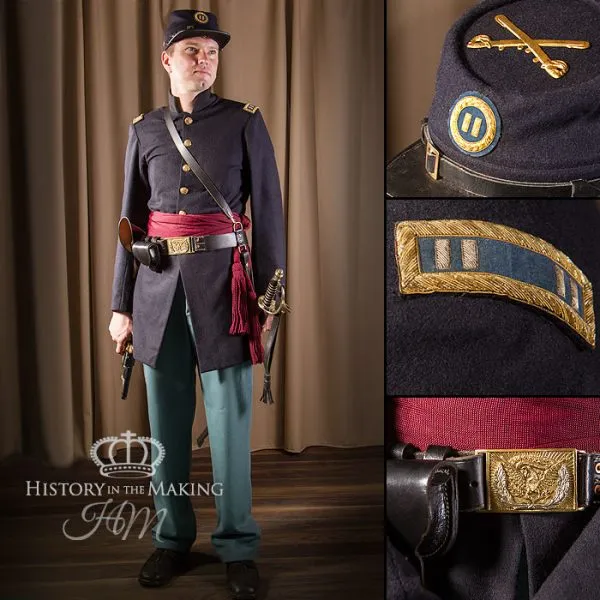 Photo: Union Army, via history-making.com
The system wasn't perfect. Early ready-to-wear mourning dresses often fit poorly, leading to the rise of alterations services—another industry born from the intersection of grief and commerce. But for grieving families facing social pressure to dress appropriately immediately, imperfect fit was better than no dress at all.
By 1870, ready-made mourning attire was outselling custom dresses three to one. The infrastructure was in place: standardized patterns, mass production facilities, distribution networks, and a workforce trained in garment manufacturing.
Beyond Black Dresses
Once the system existed for mourning wear, enterprising manufacturers realized it could be applied to any type of clothing. Why limit mass production to grief when you could use the same techniques for everyday wear?
The transition happened gradually. Manufacturers started producing "house dresses" and "work clothing" using the same standardized sizes developed for mourning attire. Department stores, which had emerged to serve the mourning dress market, expanded their ready-to-wear sections to include regular clothing.
By 1890, ready-to-wear clothing accounted for more than half of all garment sales in major American cities. The custom dressmaker, who had been the backbone of American fashion for centuries, was becoming obsolete.
The Cultural Shift
The mourning dress industry didn't just change how clothes were made—it fundamentally altered how Americans thought about fashion. Before mass production, clothing was deeply personal, created specifically for individual bodies and preferences. The ready-to-wear revolution introduced the concept of conformity to standard forms.
This shift had profound social implications. Standardized clothing sizes created new categories of inclusion and exclusion. Women whose bodies didn't fit standard sizes found themselves marginalized by an industry that had prioritized efficiency over accommodation. The pressure to conform to "standard" proportions would influence American beauty ideals for the next century.
The Modern Legacy
Today's fashion industry—from fast fashion to luxury brands—still operates on principles developed to serve Victorian mourning customs. Standardized sizes, seasonal collections, mass production, and ready-to-wear clothing all trace their origins to the urgent need to dress America's Civil War widows appropriately.
Even our modern size labels carry echoes of this history. The numbering systems used by most American clothing brands are direct descendants of Butterick's original "standard forms." When you buy a size 8 dress or a Medium shirt, you're using a classification system invented to help grieving women navigate social expectations in 1863.
The next time you grab something off the rack instead of visiting a tailor, remember the Victorian widows who made it possible. Their grief created the infrastructure that clothes America—a reminder that our most fundamental systems often emerge from the most unexpected circumstances.