The Factory Experiment That Accidentally Gave Workers Their Sacred 15 Minutes
The Efficiency Expert's Big Mistake
In 1884, Frederick Winslow Taylor walked into a Philadelphia steel plant with a stopwatch and a radical idea: human beings could be optimized like machines. His time-and-motion studies promised factory owners something irresistible—more output from the same number of workers. But when Taylor's disciples tried implementing mandatory "rest periods" to prevent worker fatigue from slowing production, they accidentally created something far more powerful than they intended.
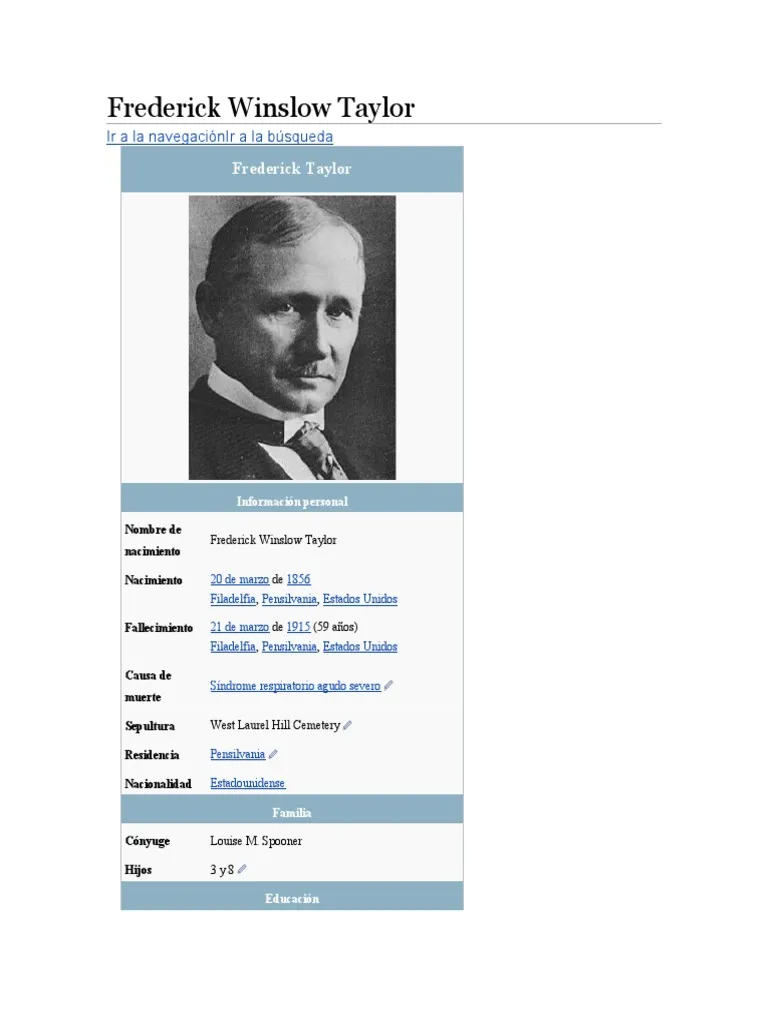 Photo: Frederick Winslow Taylor, via imgv2-2-f.scribdassets.com
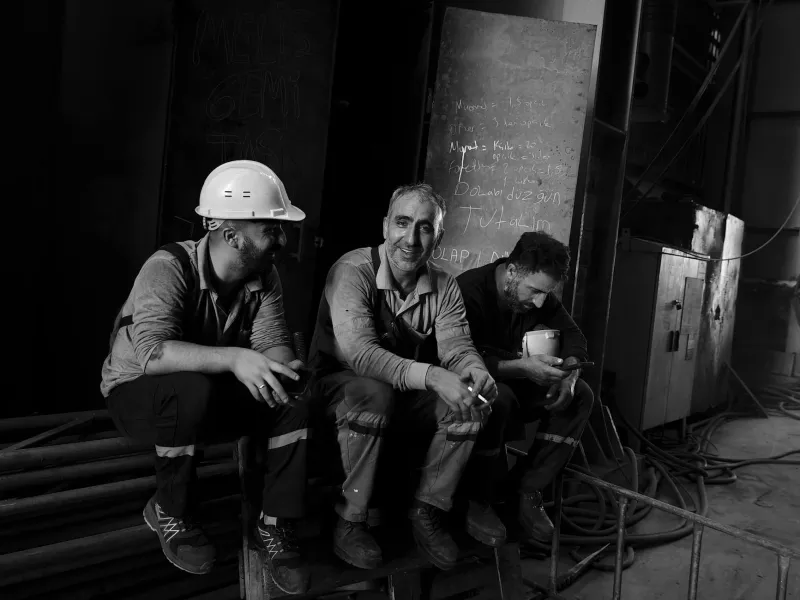
The concept was clinical: brief, scheduled interruptions would prevent the productivity dips that occurred when exhausted workers slowed down or made mistakes. Factory managers reluctantly agreed to 10-minute breaks, expecting workers to sit quietly and conserve energy for the next shift. Instead, workers did something unexpected—they gathered, they talked, and most importantly, they organized.
When Coffee Met Labor
By the 1910s, these mandated rest periods had evolved into something management never anticipated: informal union meetings disguised as coffee breaks. Workers discovered that sharing a cup of coffee created a sense of solidarity that formal labor organizing couldn't match. The beverage itself was practical—cheap, energizing, and easy to prepare in large quantities—but its social function was revolutionary.
Factory owners tried to eliminate the breaks, but productivity actually dropped. Workers had become dependent not just on the caffeine, but on the brief respite from industrial monotony. The coffee break had become psychologically essential, even as management viewed it as an expensive mistake.
The War That Changed Everything
World War II transformed the coffee break from a workplace quirk into a patriotic duty. Defense contractors needed to maintain round-the-clock production, and government efficiency experts—many trained in Taylor's methods—discovered that well-rested workers made fewer costly mistakes on critical military equipment.
The War Production Board actually recommended coffee breaks as a way to boost defense manufacturing. Suddenly, the same factory owners who had fought the practice for decades were being told by Washington that worker refreshment was essential to winning the war. Coffee became a matter of national security.
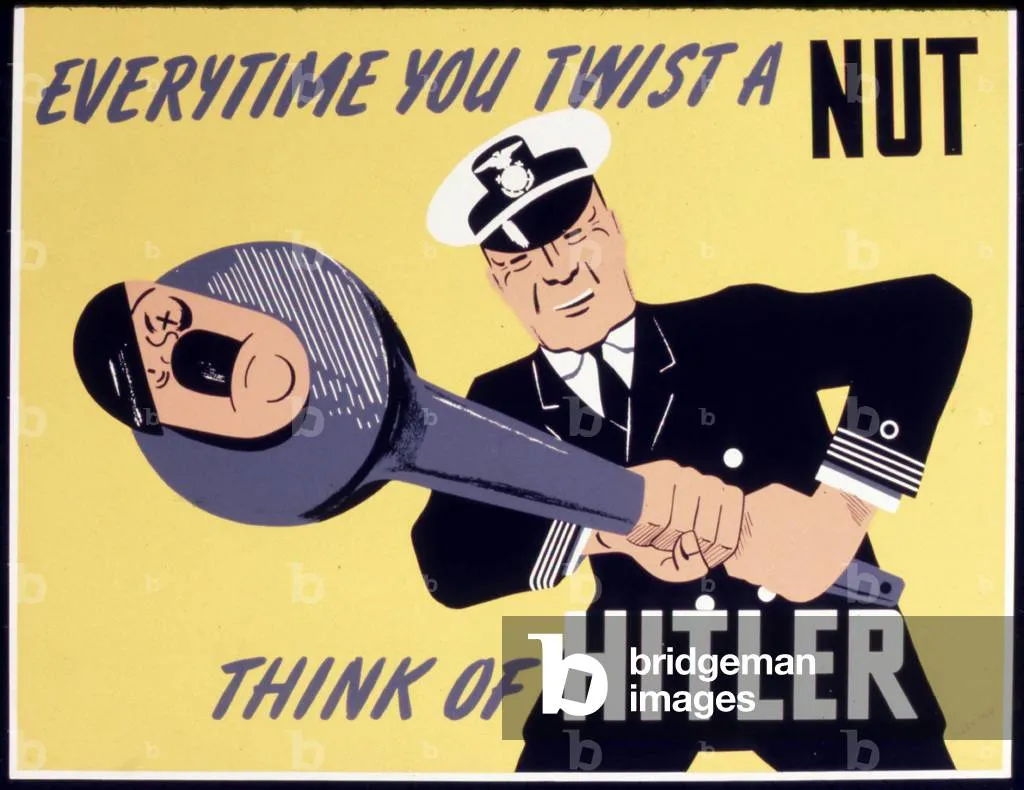 Photo: War Production Board, via images-cdn.bridgemanimages.com
The Marketing Machine Takes Over
In 1952, the Pan-American Coffee Bureau—a trade organization representing Latin American coffee growers—launched the most successful workplace marketing campaign in American history. Their "Coffee Break Campaign" wasn't just about selling coffee; it was about selling a lifestyle.
The Bureau distributed millions of pamphlets to employers explaining the "scientific benefits" of coffee breaks. They funded workplace studies showing increased productivity and worker satisfaction. Most cleverly, they positioned the coffee break as a democratic American tradition—a small freedom that distinguished American workers from their oppressed counterparts in communist countries.
The Government Makes It Official
By 1955, coffee breaks had become so embedded in American workplace culture that the Department of Labor officially recognized them as a standard employment practice. Union contracts began including specific provisions for break times, making the coffee break one of the few workplace benefits that originated from management efficiency schemes rather than labor demands.
The irony was complete: what began as an attempt to extract more work from employees had become a worker right that cost employers billions of hours annually. Taylor's efficiency experiment had created its own opposite—a institutionalized work interruption that no amount of scientific management could eliminate.
The Daily Ritual That Conquered America
Today, Americans take an estimated 600 million coffee breaks daily, generating over $40 billion in annual coffee sales. The 15-minute break has become so fundamental to workplace culture that eliminating it would trigger labor disputes at companies nationwide.
What makes this story remarkable isn't just that a failed efficiency scheme became a beloved tradition—it's that something we do twice daily without thinking was once a radical experiment that nearly destroyed productivity before saving it. The coffee break succeeded because it met a human need that industrial efficiency experts never anticipated: the need to briefly escape the machine and remember we're not cogs in it.
The next time you step away from your desk for coffee, you're participating in a century-long rebellion against the very system that created your break in the first place.