Death, Dessert, and Door-to-Door Sales: The Funeral Director Who Built America's Jell-O Empire

The Dessert That Almost Died
In 1897, Jell-O was a commercial disaster. Pearle Wait, a cough syrup manufacturer from LeRoy, New York, had created the first packaged gelatin dessert by adding fruit flavoring to plain gelatin powder. Despite the innovation, Americans had no idea what to do with it. Wait sold maybe a few dozen boxes before giving up, convinced he'd created an unmarketable novelty.
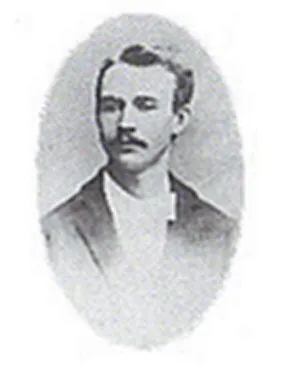 Photo: Pearle Wait, via images.findagrave.com
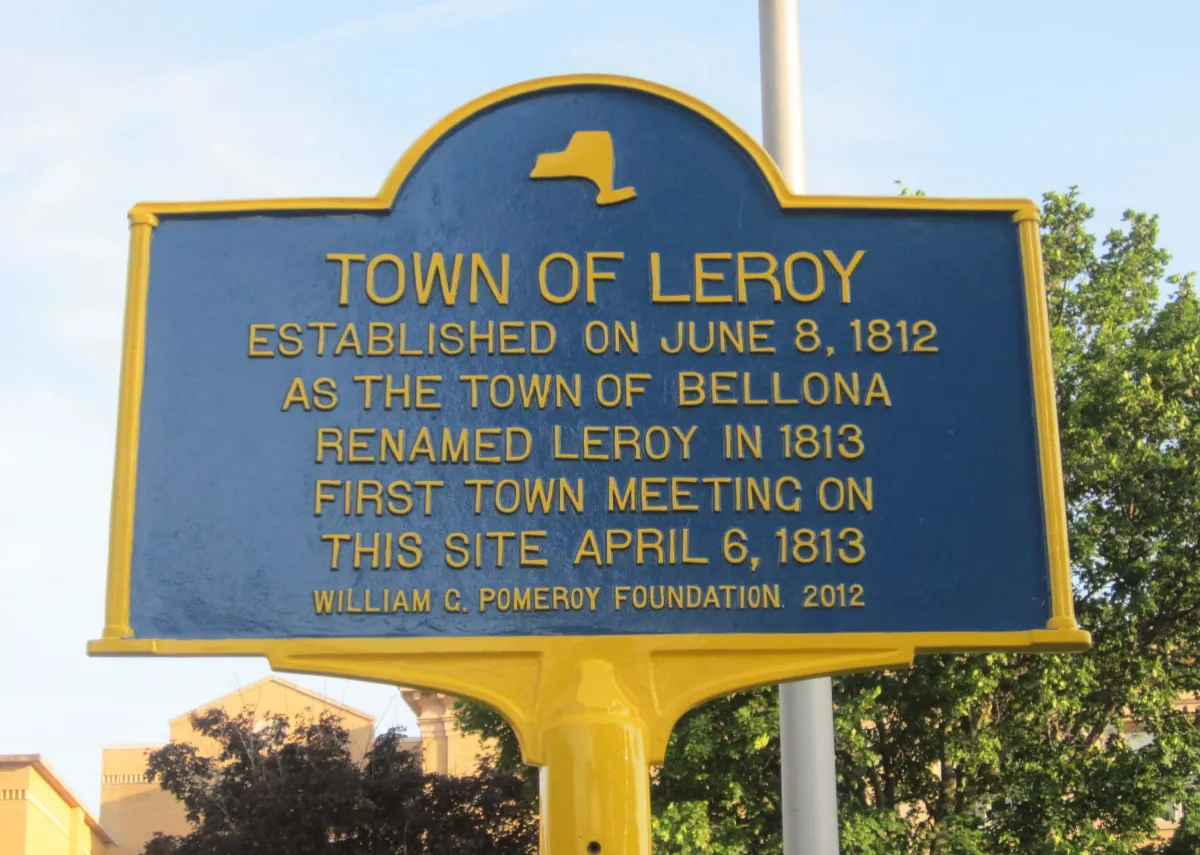 Photo: LeRoy, New York, via www.wgpfoundation.org
Enter Orator Francis Woodward, a man whose previous career selling funeral services had taught him something crucial about human psychology: people buy what they understand, and they understand what they can imagine using. When Woodward bought Wait's struggling Jell-O formula for $450 in 1899, he brought an unusual perspective to the food business—he knew how to sell the intangible.
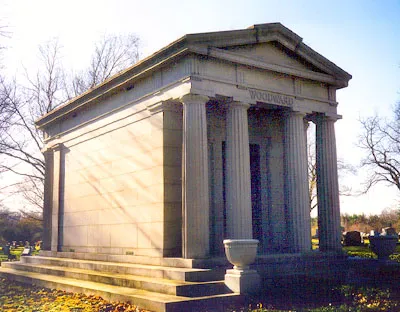 Photo: Orator Francis Woodward, via images.findagrave.com
Lessons from the Funeral Parlor
Woodward's background in funeral sales had taught him that people needed help envisioning unfamiliar products in their daily lives. When selling funeral services, he'd learned to paint detailed pictures of memorial services, helping grieving families imagine exactly how their loved ones would be honored. The technique was oddly perfect for selling a mysterious new dessert.
Traditional food marketing in 1900 simply announced a product's existence. Woodward took a radically different approach: he would show people exactly how to use Jell-O in their own kitchens. His funeral industry experience had taught him that detailed, step-by-step guidance could overcome customer uncertainty about unfamiliar products.
The Revolutionary Recipe Booklet
In 1902, Woodward launched what became the most influential food marketing campaign of the early 20th century. He created elaborate recipe booklets—not simple instruction cards, but beautifully illustrated guides that positioned Jell-O as the centerpiece of elegant entertaining.
The booklets were revolutionary because they didn't just sell Jell-O; they sold a lifestyle. Woodward's funeral parlor experience had shown him that people bought emotional experiences, not just products. His Jell-O booklets promised sophistication, ease, and social success—exactly the aspirational messaging that would dominate food advertising for the next century.
Most importantly, Woodward gave the booklets away for free. This was unheard of in 1902, when companies typically charged for any printed materials. But Woodward understood from his funeral business that initial investment in customer education paid massive dividends in long-term loyalty.
Door-to-Door Dessert Evangelism
Woodward deployed an army of door-to-door salespeople—many recruited from funeral homes and insurance companies—to distribute recipe booklets and demonstrate Jell-O preparation in customers' homes. These weren't typical product demonstrations; they were theatrical performances designed to create emotional connections.
Salespeople would arrive with elaborate serving dishes, decorative molds, and multiple Jell-O flavors. They'd prepare elegant desserts while explaining how Jell-O could transform any hostess into an sophisticated entertainer. The approach borrowed heavily from funeral service presentations—formal, respectful, but ultimately designed to help customers envision a better version of themselves.
The Accidental Marketing Revolution
Without realizing it, Woodward had invented modern branded content marketing. His recipe booklets weren't advertisements in the traditional sense—they were genuinely useful guides that happened to feature his product. This approach created customer loyalty that simple advertising couldn't match.
By 1906, Jell-O sales had exploded from a few hundred boxes annually to over one million. Woodward's company became so successful that he sold it to Postum (later General Foods) for $1.5 million—a fortune in early 20th-century dollars.
The Template That Built an Industry
Woodward's recipe booklet strategy became the template for virtually every major food marketing campaign that followed. Betty Crocker, Aunt Jemima, Duncan Hines—all of these brands built their empires using variations of Woodward's original approach: free educational content that positioned their products as solutions to everyday problems.
The funeral industry connection wasn't coincidental. Both businesses required customers to trust unfamiliar service providers during emotionally charged moments. Woodward's background had taught him that trust came from education, patience, and helping customers feel confident about their choices.
From Death to Dessert Legacy
By the 1950s, Jell-O had become so embedded in American culture that it was featured in over 75% of American cookbooks. The brand that almost disappeared in 1897 had become synonymous with mid-century domesticity, largely because a funeral director understood something about human psychology that traditional food marketers missed.
Today, when food companies launch new products with elaborate websites, free recipe collections, and social media campaigns, they're using strategies pioneered by a man who learned to sell by helping families plan funerals. Woodward proved that the most unlikely backgrounds can produce the most innovative solutions—sometimes you need someone who's comfortable with the uncomfortable to revolutionize an entire industry.