The Suspicious Squeeze
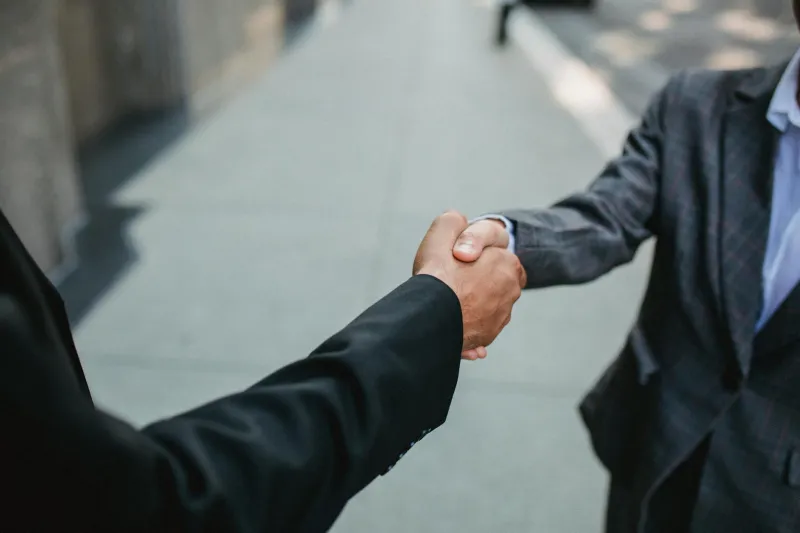
Imagine walking into a business meeting today and greeting your new colleagues with a formal bow. The awkwardness you'd feel captures exactly how most 19th-century Americans viewed the handshake when offered by strangers—as an overly familiar gesture that crossed social boundaries without permission.
For the first century of American independence, the handshake remained largely confined to close friends, family members, and business partners who had established relationships. Offering your hand to a stranger was considered presumptuous at best, crude at worst. Proper Americans greeted unfamiliar people with a polite nod or, in formal situations, a bow borrowed from European court etiquette.
The transformation of this intimate gesture into America's universal greeting didn't happen overnight. It required a perfect storm of cultural forces, ambitious personalities, and a growing national desire to distinguish American manners from the aristocratic traditions of the Old World.
The Performers Who Broke the Ice
The first cracks in handshake etiquette appeared in America's traveling entertainment circuit. Circus performers, theater troupes, and itinerant showmen of the early 1800s discovered that offering a handshake to audience members created an immediate sense of connection and trust—crucial elements for people whose livelihood depended on winning over strangers in every new town.
These performers weren't bound by the social conventions that governed settled communities. They needed to establish rapport quickly, and the handshake proved remarkably effective at breaking down the formal barriers that typically separated entertainers from their audiences.
P.T. Barnum, America's most famous showman, made the handshake a cornerstone of his public persona. When his circus arrived in a new city, Barnum would personally greet local dignitaries, newspaper editors, and potential customers with enthusiastic handshakes, treating everyone from mayors to farm workers with the same democratic familiarity.
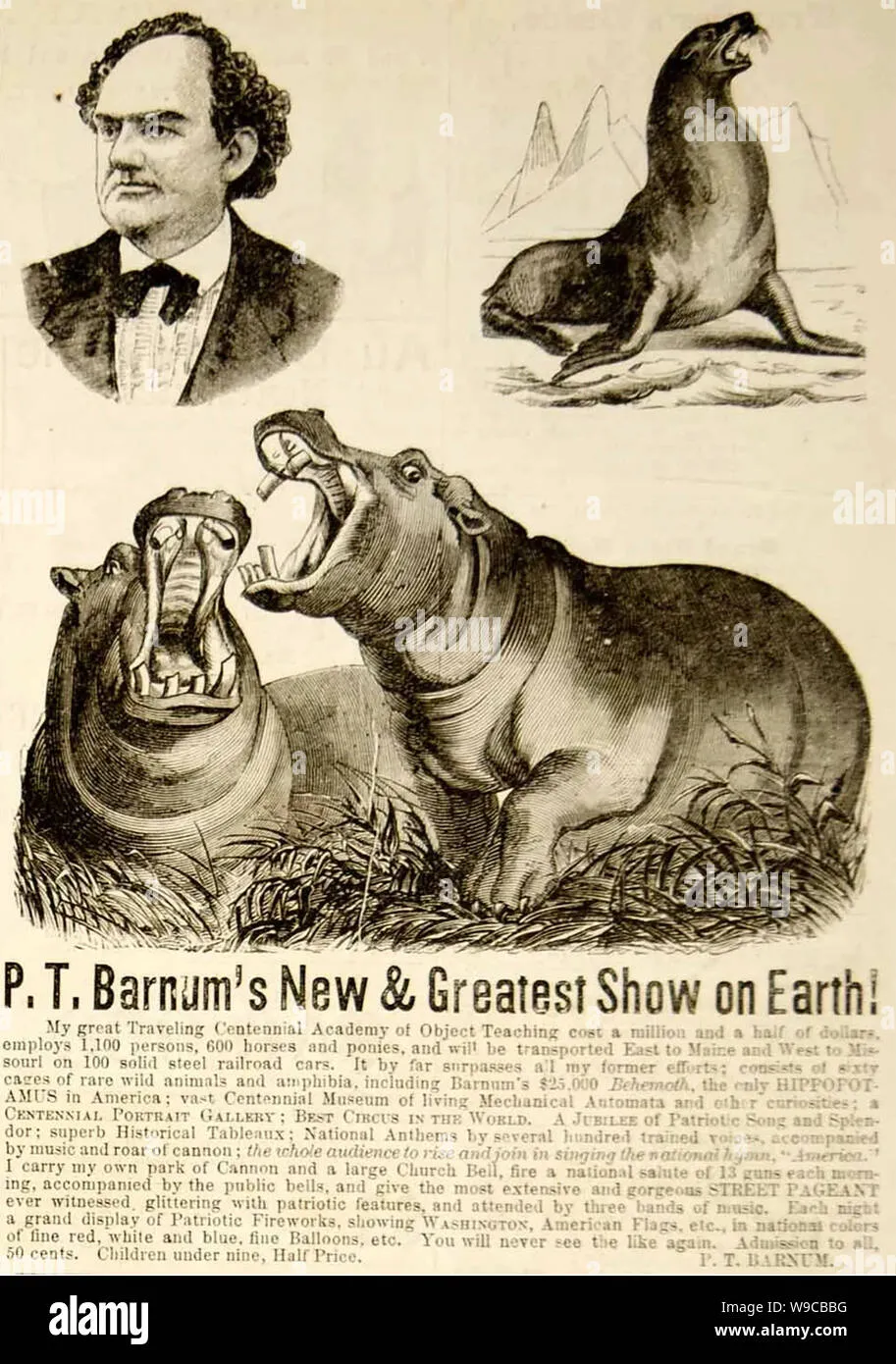 Photo: P.T. Barnum, via c8.alamy.com
The strategy worked brilliantly. Audiences felt personally welcomed by Barnum, creating a sense of intimacy that translated directly into ticket sales. Other entertainers quickly adopted the technique.
Politicians Discover the Power of Touch
American politicians, always alert to effective crowd-pleasing techniques, began incorporating the performer's handshake into their own repertoires. But they faced a delicate balance: too much familiarity could seem undignified, while excessive formality suggested aristocratic pretensions that American voters increasingly rejected.
Andrew Jackson, elected president in 1828 on a wave of populist sentiment, embraced the handshake as a symbol of democratic equality. Unlike his predecessors, who maintained formal distance from ordinary citizens, Jackson made a point of shaking hands with farmers, laborers, and frontier families during his campaigns and presidency.
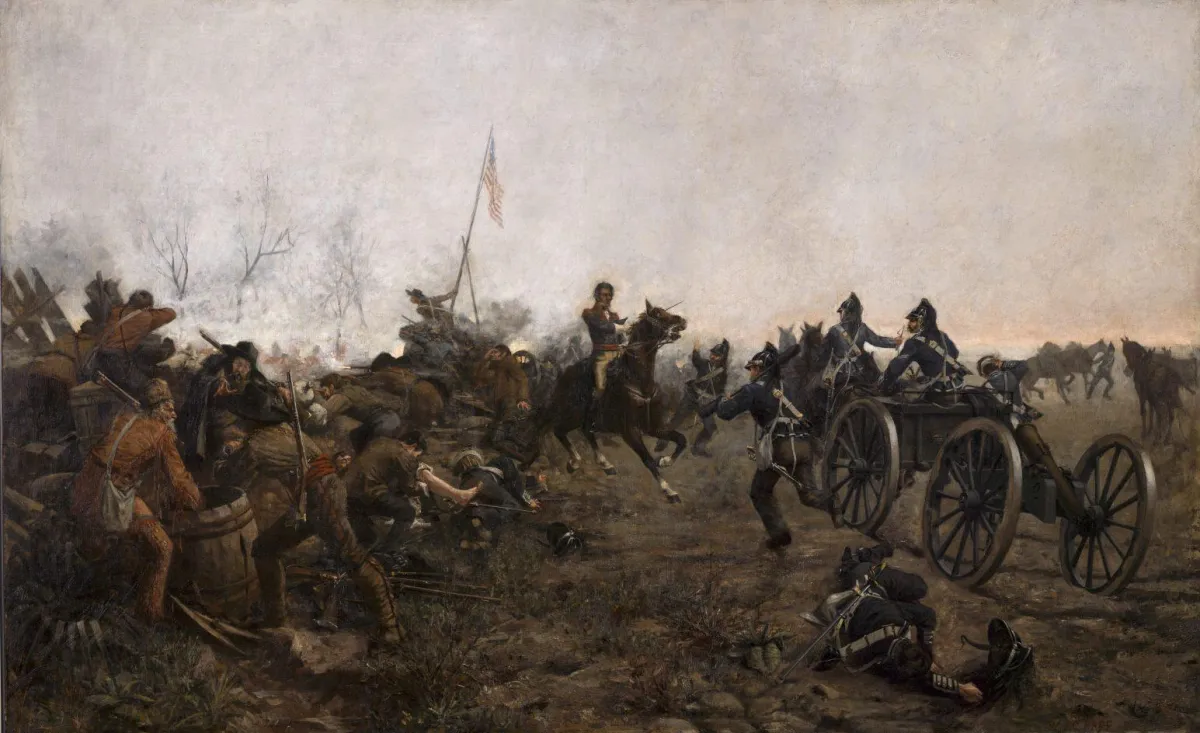 Photo: Andrew Jackson, via cdn.craft.cloud
Jackson's approach resonated with American voters who were growing tired of European-style formality. The handshake became a way for politicians to demonstrate that they were "men of the people" rather than distant aristocrats.
Abraham Lincoln perfected this technique decades later, using his famously large hands to create memorable connections with voters across Illinois and beyond. Lincoln's handshake became legendary—firm, genuine, and accompanied by direct eye contact that made people feel personally acknowledged by their future president.
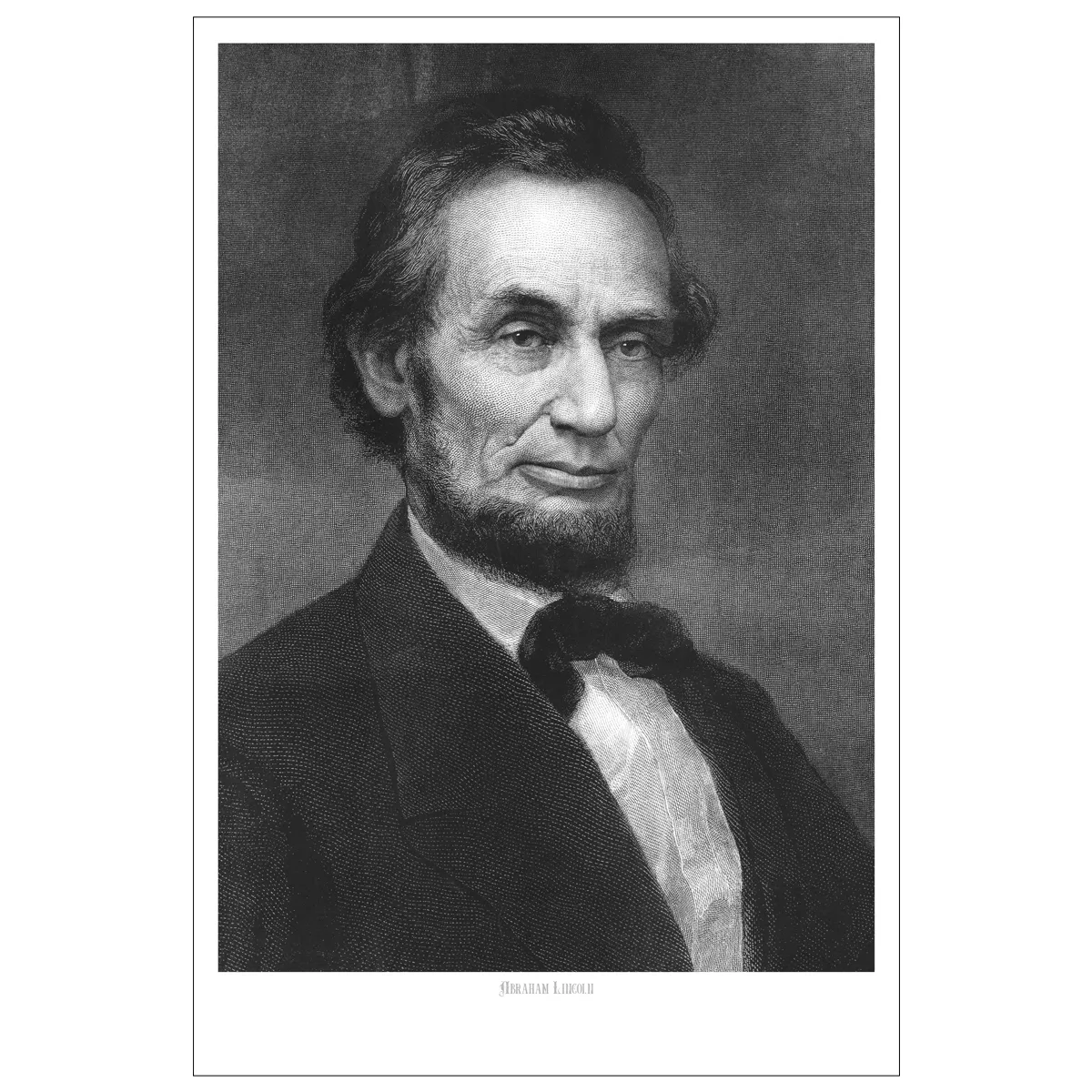 Photo: Abraham Lincoln, via patrioticfineartprints.com
The Frontier Factor
While performers and politicians popularized the handshake, America's expanding frontier gave the gesture practical necessity. On the frontier, formal social hierarchies mattered less than immediate assessments of character and trustworthiness.
Frontier communities operated on principles of rough equality, where a man's worth was measured by his actions rather than his family name or formal education. In this environment, the handshake served as a quick way to gauge someone's character—a firm grip suggested reliability, while a weak or evasive handshake raised suspicions.
Frontier hospitality also demanded immediate decisions about whether strangers could be trusted with food, shelter, or business partnerships. The handshake became a crucial part of these rapid character assessments, helping people make life-or-death decisions about whom to trust in isolated communities where formal references and social credentials were unavailable.
The Democratic Revolution in Manners
By the 1850s, European visitors to America regularly commented on the prevalence of handshaking among all social classes. What struck these observers wasn't just the frequency of the gesture, but its egalitarian nature—American merchants shook hands with their customers, employers greeted their workers with handshakes, and social superiors routinely offered their hands to inferiors.
This democratic approach to physical greeting represented a deliberate rejection of European class distinctions. In Britain, France, and Germany, physical contact between social classes remained strictly regulated. A gentleman might bow to a lady, but he would never shake hands with a servant or laborer.
Americans increasingly viewed such distinctions as fundamentally un-American. The handshake became a way of asserting that in America, all men (and gradually, all people) deserved equal recognition and respect.
The Final Victory
The handshake's complete triumph came during the early 20th century, as America emerged as a global power and American business practices spread worldwide. Corporate culture, political campaigns, and social interactions all assumed the handshake as the default greeting.
By World War I, the transformation was complete. What had once been considered an inappropriately intimate gesture between strangers had become so standard that refusing to shake hands was viewed as rude or suspicious.
Today, we teach children to offer firm handshakes as a sign of good character, completely forgetting that this "natural" gesture was once controversial enough to spark debates about proper American behavior.
The next time you automatically extend your hand to meet someone new, remember: you're participating in a radical social experiment that took nearly a century to complete, transforming an intimate gesture between friends into the democratic greeting that defines American social interaction.