The Problem Nobody Saw Coming
When Alexander Graham Bell received his telephone patent on March 7, 1876, he solved the technical challenge of transmitting voice over wire. What he didn't anticipate was a social problem that would prove nearly as complex: how should people answer this new device?
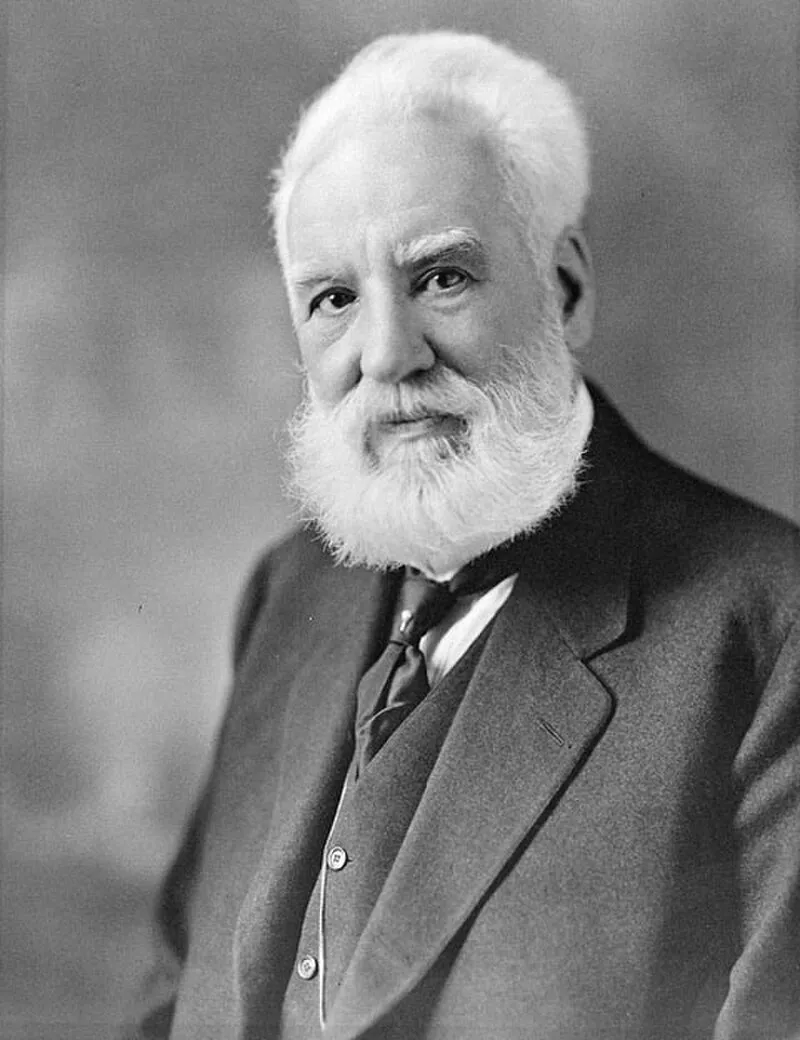 Photo of Alexander Graham Bell, via Wikidata/Wikimedia Commons
In the 1870s, there was no precedent for beginning a conversation with someone you couldn't see. Face-to-face meetings had established rituals—tipping hats, shaking hands, exchanging pleasantries about the weather. Letters began with formal salutations. But the telephone created an entirely new form of human interaction that required its own etiquette.
The uncertainty was causing real problems. Early telephone users would pick up the device and simply wait in silence, unsure whether the connection had been established. Others would shout "Are you there?" or "Can you hear me?" Some tried to maintain letter-writing formality with phrases like "To whom am I speaking?" The result was confusion, wasted time, and frustrated customers.
Bell's Aristocratic Solution
Alexander Graham Bell, ever the proper Victorian gentleman, had strong opinions about telephone etiquette. He believed the device should elevate human communication, not degrade it. Bell's preferred telephone greeting was "Ahoy-hoy," a nautical term that suggested the dignity and precision of ship-to-ship communication.
"Ahoy-hoy" wasn't Bell's only suggestion. He also promoted "Ahoy" by itself, borrowing from maritime tradition where ships would hail each other across the water. Bell felt this greeting maintained appropriate formality while clearly indicating that communication was beginning. He used "Ahoy-hoy" in his own telephone demonstrations and encouraged telephone companies to train operators to use it.
Bell's preference reflected his background and social class. As a professor and inventor from a well-educated family, he was naturally drawn to formal, established conventions. The nautical greeting also emphasized the technological achievement of the telephone—like ships communicating across vast distances, telephone users were accomplishing something remarkable that deserved dignified acknowledgment.
Edison's Democratic Disruption
Thomas Edison had a very different vision for telephone communication. The practical inventor believed the telephone should be accessible to ordinary people, not just educated elites. In August 1877, Edison wrote a letter to the president of the Central District and Printing Telegraph Company suggesting that telephone users begin conversations with the word "hello."
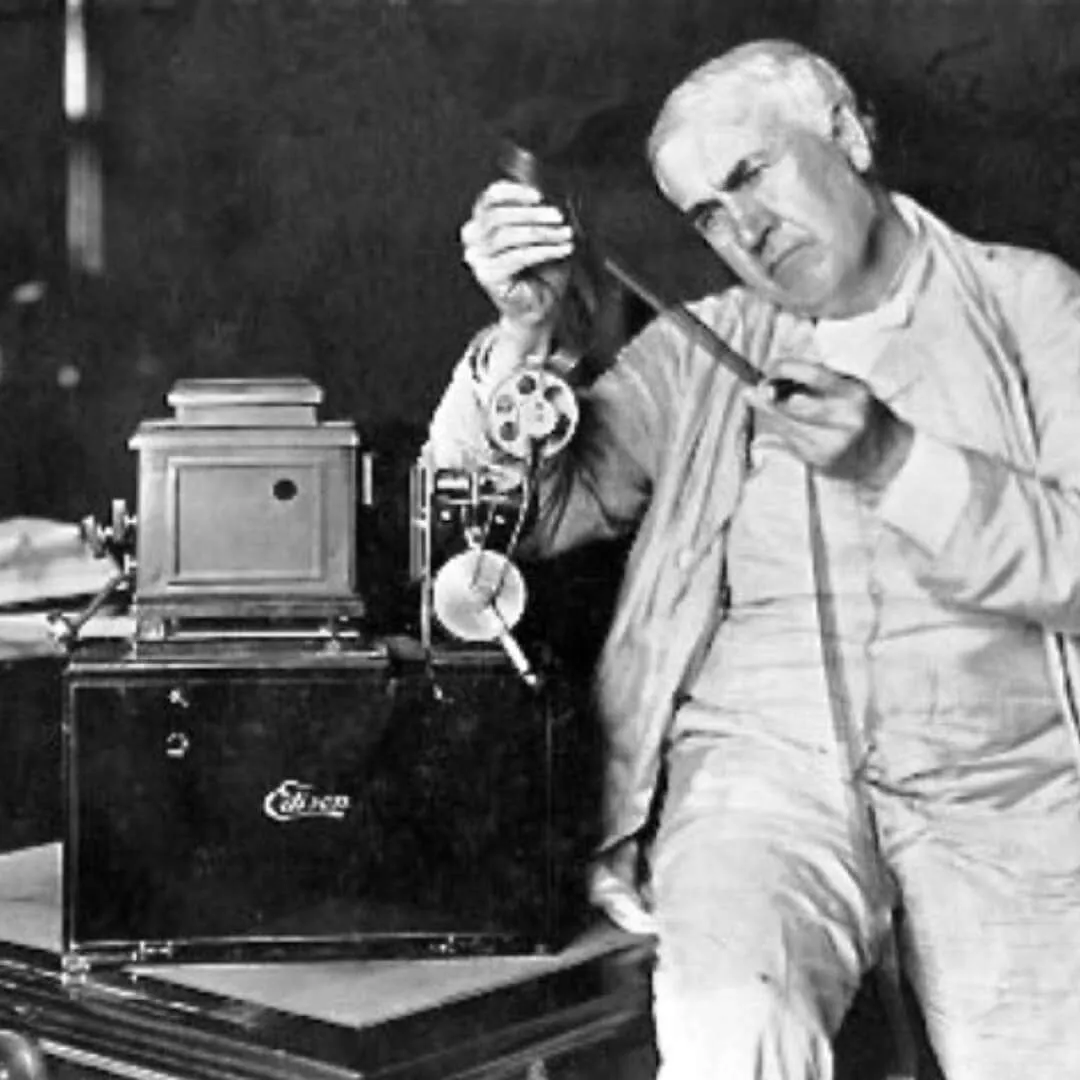 Photo: Thomas Edison, via mondoro.com
This was a radical proposal. In the 1870s, "hello" was considered crude and low-class by polite society. The word was primarily used to get someone's attention from a distance—roughly equivalent to shouting "Hey!" at someone across the street. Educated Americans would no more begin a telephone conversation with "hello" than they would start a dinner party by hollering at their guests.
Edison's choice was deliberately democratic. "Hello" was simple, universally understood, and required no special education or social training. Anyone could say it correctly, regardless of their background or social status. For Edison, the telephone's revolutionary potential lay not in elevating communication, but in making it more accessible.
The Battle for America's Voice
The conflict between "Ahoy-hoy" and "hello" became a proxy war for different visions of American society. Bell's greeting represented traditional values, proper education, and social hierarchy. Edison's greeting embodied democratic ideals, practical simplicity, and social equality.
Telephone companies found themselves caught in the middle. The Bell Telephone Company, naturally aligned with its founder's preferences, initially trained operators to answer with "Ahoy-hoy." But customers found the greeting awkward and artificial. Many simply ignored the suggested etiquette and developed their own telephone habits.
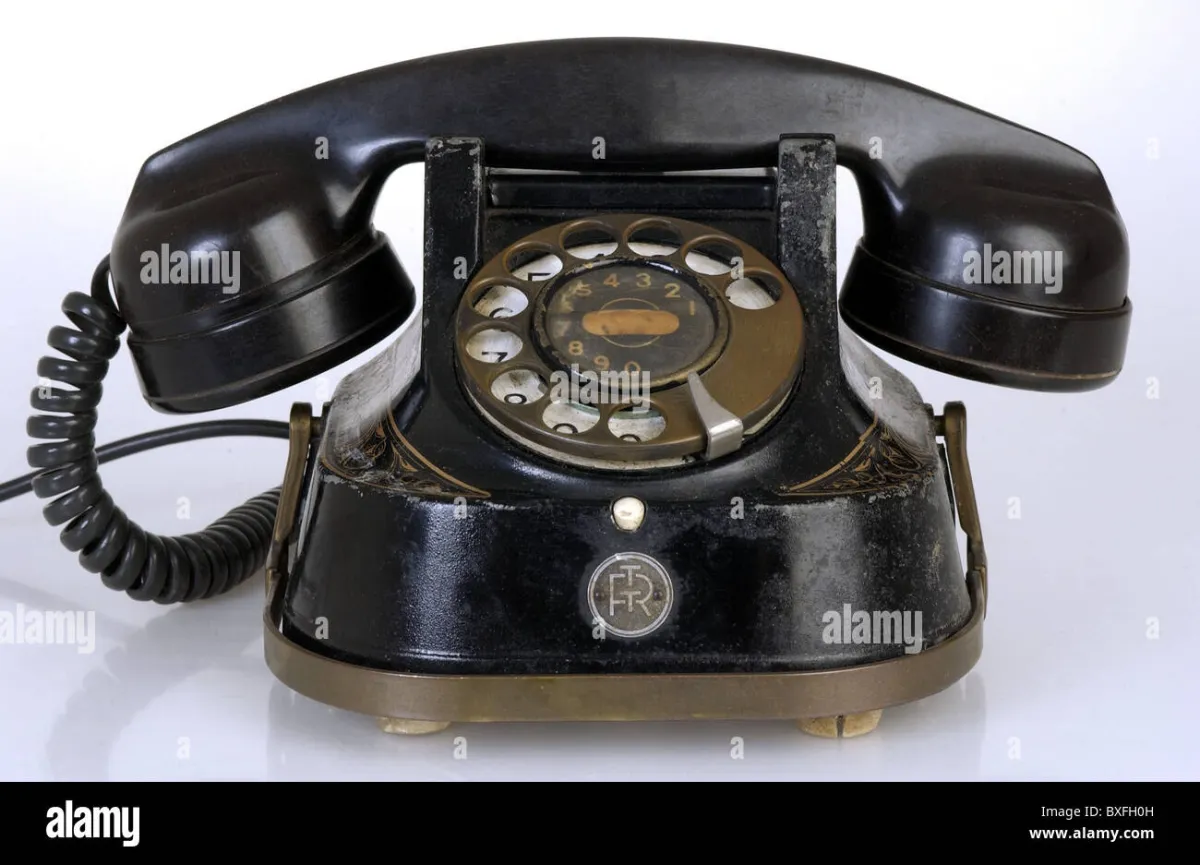 Photo: Bell Telephone Company, via c8.alamy.com
Edison's "hello" had several practical advantages that became apparent as telephone use expanded. It was short and clear, reducing the chance of miscommunication over poor connections. It was distinctive—unlike "ahoy," "hello" was rarely used in normal conversation, so it clearly indicated the beginning of a telephone call. Most importantly, it felt natural to ordinary users.
How "Hello" Won the War
The turning point came with the rise of telephone operators. As telephone networks expanded beyond direct connections between specific locations, human operators became essential for routing calls. These operators, predominantly young women from working-class backgrounds, found "hello" much easier and more natural than "Ahoy-hoy."
Operators were the first professional telephone users, handling hundreds of calls per day. Their preference for "hello" influenced customer behavior across the entire network. When customers heard operators say "hello," they naturally responded in kind. The greeting spread organically through daily usage rather than corporate mandate.
By 1880, "hello" had become the dominant telephone greeting in America. Telephone companies gradually abandoned their attempts to enforce "Ahoy-hoy" and officially adopted "hello" in their training materials. Even Alexander Graham Bell eventually conceded defeat, though he reportedly continued using "Ahoy-hoy" in his personal telephone calls for the rest of his life.
The Global Conquest
As American telephone technology spread internationally, "hello" traveled with it. The word was adopted into dozens of languages, often with minor pronunciation adjustments but maintaining its essential character. In Spanish, it became "hola" for telephone use. In French, "allô" specifically for phone conversations. In Italian, "pronto" emerged as a telephone-specific greeting, but "hello" remained widely understood.
The global adoption of "hello" represented more than linguistic convenience—it demonstrated the power of practical democracy over formal tradition. Edison's simple, accessible greeting had defeated Bell's aristocratic alternative not through corporate decree or government mandate, but through the daily choices of ordinary users.
The Transformation of a Word
Edison's victory in the telephone greeting war transformed "hello" from a crude attention-getter into the world's most common conversation starter. The word's association with telephone use gradually elevated its social status. By 1900, "hello" was acceptable in polite conversation. By 1920, it had become the standard greeting for many face-to-face encounters as well.
This transformation illustrates how technology can reshape language and social customs. The telephone didn't just change how people communicated—it changed what they said and how they said it. A word that was once considered inappropriate became the global standard for human interaction.
The Lasting Legacy
Today, "hello" is arguably the most recognized word in human language. It appears in virtually every language on Earth, either as a direct borrowing or as the inspiration for telephone-specific greetings. Every phone conversation, video call, and voice message begins with Edison's democratic choice triumphing over Bell's aristocratic preference.
The story of "hello" reveals how technological innovation creates unexpected social challenges. Bell and Edison weren't just arguing about telephone etiquette—they were debating what kind of society the telephone would create. Edison's vision of accessible, egalitarian communication ultimately prevailed, but only because ordinary users embraced his practical approach over Bell's formal alternative.
The next time you answer your phone with "hello," you're participating in a victory for democratic values that was won more than 140 years ago. Thomas Edison's simple greeting suggestion defeated one of history's greatest inventors in a battle that shaped how humans communicate across the globe. Sometimes the most profound changes come not from grand gestures, but from the words we choose to say every day.