The Morning That Changed Everything
Roy Plunkett arrived at his DuPont laboratory in Jackson, New Jersey, on April 6, 1938, expecting another routine day of refrigerant research. Instead, he discovered something that would eventually coat millions of American frying pans—though nobody, including Plunkett himself, had any idea what to do with it.
 Photo: Jackson, New Jersey, via img1.wsimg.com
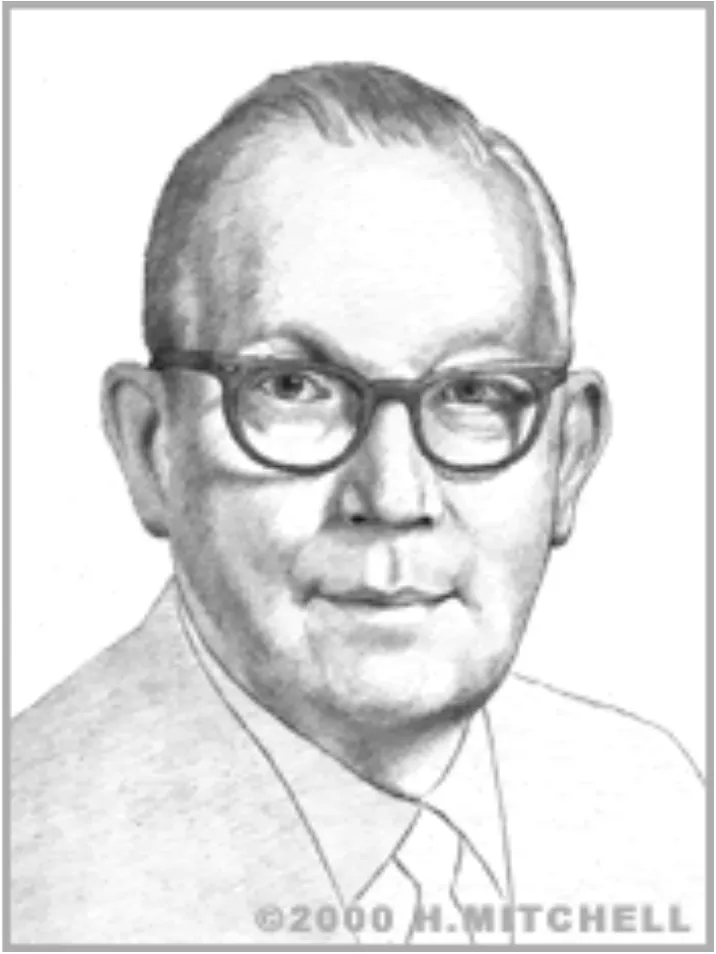 Photo: Roy Plunkett, via lemelson.mit.edu
The 27-year-old chemist had been working with tetrafluoroethylene gas, trying to develop a new type of Freon for refrigeration systems. But when he opened a pressurized cylinder that morning, nothing came out. The gas had mysteriously vanished overnight.
Curiosity got the better of him. Plunkett sawed open the metal container and found something extraordinary: a white, waxy powder that seemed to defy the laws of chemistry. Nothing would stick to it. Acids couldn't dissolve it. Heat couldn't melt it. It was, quite literally, the most chemically inert substance anyone had ever encountered.
A Discovery Without a Purpose
Plunkett had accidentally created polytetrafluoroethylene—later trademarked as Teflon—but DuPont had absolutely no idea what to do with their new super-slippery material. The company filed a patent in 1941, then essentially shelved the discovery.
The substance was fascinating from a scientific standpoint, but it seemed commercially useless. It was expensive to produce, difficult to work with, and solved no existing problems that anyone could identify. For nearly a decade, Teflon remained little more than a laboratory curiosity, occasionally pulled out to impress visiting scientists.
Then came World War II, and everything changed.
The Manhattan Project's Secret Ingredient
The U.S. government's top-secret atomic bomb program faced a unique challenge: uranium hexafluoride, a key component in uranium enrichment, was so corrosive it ate through virtually every known material. Scientists desperately needed something that could contain this aggressive chemical without being destroyed.
DuPont's strange, indestructible powder turned out to be the perfect solution. Suddenly, Teflon became a classified military material, essential to America's nuclear weapons program. The government bought every ounce DuPont could produce, but the application remained highly classified.
For most Americans, Teflon didn't exist. The few who knew about it were sworn to secrecy.
The Long Road to the Kitchen
After the war ended, DuPont began searching for civilian applications for their miracle material. The company tried marketing Teflon for industrial uses—coating chemical equipment, lining pipes, waterproofing fabrics. But the consumer market remained elusive.
The breakthrough came from an unexpected source: a French engineer's wife. In 1954, Colette Grégoire grew frustrated watching her husband Marc struggle with sticky fishing tackle. She suggested he try the same non-stick coating he used in his job at a French aluminum company—a coating made with Teflon.
Marc Grégoire took his wife's advice and created the first Teflon-coated cooking pan. He called it the "Tefal" pan, and it became an instant sensation in Europe. But American cookware manufacturers remained skeptical.
The Kitchen Revolution Arrives
It wasn't until 1961 that Teflon finally reached American kitchens, thanks to Marion A. Trozzolo, an American engineer who had seen Grégoire's success in France. Trozzolo convinced several U.S. cookware companies to experiment with non-stick coatings.
The timing was perfect. American women were entering the workforce in unprecedented numbers, and anything that made cooking faster and cleanup easier found a ready market. The first Teflon-coated pans hit U.S. stores in 1961, marketed under the brand name "The Happy Pan."
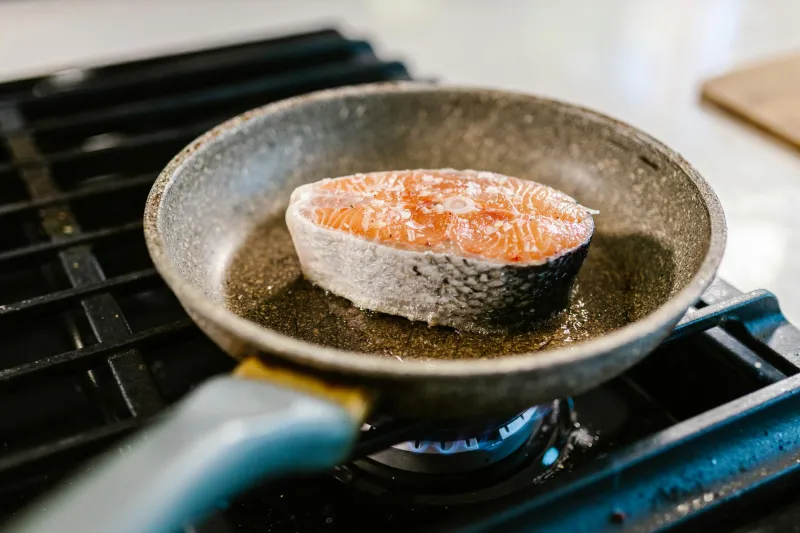
The response was overwhelming. American housewives had been scrubbing burnt eggs off cast iron skillets for generations. Suddenly, a gentle wipe with a paper towel was enough to clean even the stickiest foods.
From Laboratory Accident to Cultural Icon
By the late 1960s, non-stick cookware had become standard in American kitchens. The substance that began as a refrigerant experiment gone wrong had transformed how an entire nation prepared food.
The impact extended far beyond convenience. Teflon-coated pans required less oil and butter, inadvertently supporting America's growing health consciousness. They made cooking more accessible to inexperienced cooks, contributing to the rise of quick, casual meal preparation that would define American food culture for decades.
Today, it's almost impossible to find an American kitchen without at least one non-stick pan. What started as Roy Plunkett's confusing morning in 1938 became one of the most ubiquitous materials in modern life—proving that sometimes the most revolutionary discoveries are the ones nobody knows what to do with at first.
The next time you effortlessly flip pancakes or slide scrambled eggs onto a plate, remember: you're witnessing the legacy of a 27-year-old chemist's curiosity about an empty gas cylinder, and a discovery that took nearly three decades to find its true calling.