The General's Desperate Gambit
Antonio López de Santa Anna was not having a good 1860s. The former Mexican general—the same man who had captured the Alamo—was living in exile on Staten Island, desperately trying to finance his return to power. His latest scheme involved chicle, a rubbery tree sap from the Yucatan Peninsula that he was convinced could revolutionize American manufacturing.
 Photo: Yucatan Peninsula, via lacgeo.com
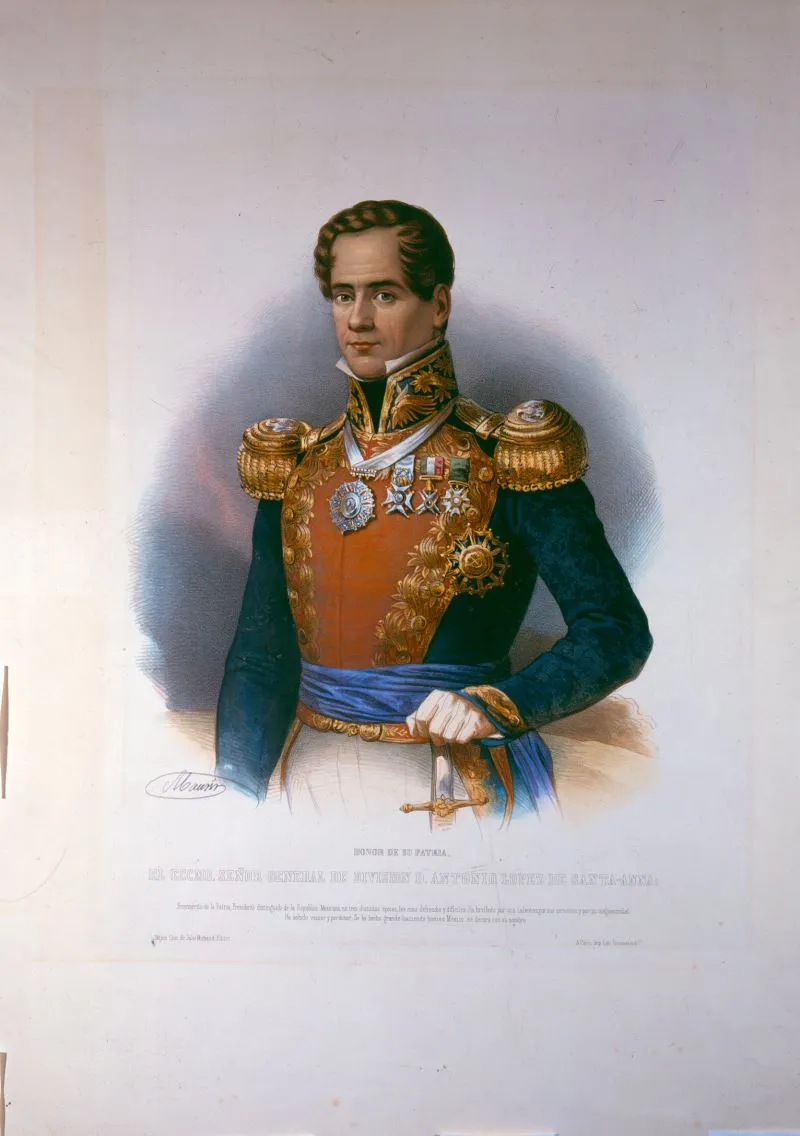 Photo: Antonio López de Santa Anna, via www.sanjacinto-museum.org
Santa Anna had smuggled a ton of chicle into New York, convinced that American inventors could transform it into a cheap rubber substitute. Rubber was expensive and in high demand, and the Civil War had created shortages of everything. If chicle could replace rubber, Santa Anna figured he could fund an army and reclaim Mexico. It was a long shot, but he was running out of options.
Enter the Eccentric Inventor
Thomas Adams Sr. was exactly the kind of person who might take a meeting with a disgraced Mexican general. The 48-year-old inventor and photographer had a workshop full of failed experiments and a reputation for taking on projects other people considered impossible. When Santa Anna approached him about turning chicle into rubber, Adams was intrigued enough to give it a try.
For months, Adams subjected the chicle to every treatment he could think of. He heated it, cooled it, mixed it with chemicals, and subjected it to pressure. Nothing worked. The chicle remained stubbornly un-rubber-like. It was elastic, but not durable. It was moldable, but wouldn't hold its shape. As a rubber substitute, chicle was a complete failure.
The Moment Everything Changed
The breakthrough came not from scientific experimentation, but from Adams' own mouth. Frustrated by yet another failed attempt to vulcanize chicle, Adams absently popped a piece of the substance into his mouth and began chewing. The texture was oddly pleasant—softer than the paraffin wax that some people chewed, but more substantial than tree sap.
Adams remembered that Santa Anna had mentioned seeing indigenous people in Mexico chewing chicle for pleasure. What if the substance's value wasn't as a rubber substitute, but as something people would actually want to chew?
From Drugstore Experiment to National Craze
In 1871, Adams convinced a local drugstore to let him test his theory. He shaped small pieces of chicle into balls and sold them for a penny each under the name "Adams' New York Chewing Gum." The response was immediate and surprising—customers kept coming back for more.
The timing was perfect. Post-Civil War America was experiencing rapid urbanization and industrialization. People were working longer hours in factories and offices, creating demand for small pleasures that could be enjoyed without stopping work. Chewing gum fit perfectly into this new lifestyle.
Adams quickly realized he had stumbled onto something bigger than anyone had imagined. He opened a small factory and began mass-producing gum. By 1888, he was selling gum from vending machines in New York subway stations—some of the first vending machines in American history.
The Science of Satisfaction
What Adams had accidentally discovered was that chewing gum satisfied a fundamental human need. The repetitive chewing motion releases stress and can improve concentration. The flavor provides sensory stimulation without requiring digestion. The act of chewing increases blood flow to the brain, potentially enhancing cognitive function.
Americans took to gum chewing with unprecedented enthusiasm. By the 1890s, the United States was consuming more chewing gum per capita than any other country in the world—a distinction it maintains today. The habit became so associated with American culture that during World War II, GIs distributed gum to children in occupied territories as a symbol of American generosity.
The Innovation Explosion
Adams' success triggered an explosion of gum innovation. William Wrigley Jr. turned gum from a simple confection into a marketing phenomenon, using advertising and promotional giveaways to build brand loyalty. Walter Diemer invented bubble gum in 1928, accidentally creating the pink color that became standard when that was the only food coloring available in his lab.
Each innovation built on Adams' original discovery that chicle could be more than a failed rubber substitute. The industry developed new flavors, longer-lasting taste, and even functional benefits like teeth cleaning and breath freshening. What started as one man's failed experiment became a billion-dollar industry.
The Cultural Phenomenon
Chewing gum became deeply embedded in American culture in ways that Adams never could have predicted. It became associated with baseball players, teenagers, and working-class Americans. During the Great Depression, a stick of gum was an affordable luxury that could last for hours. During World War II, gum was included in military rations to help soldiers stay alert and relieve stress.
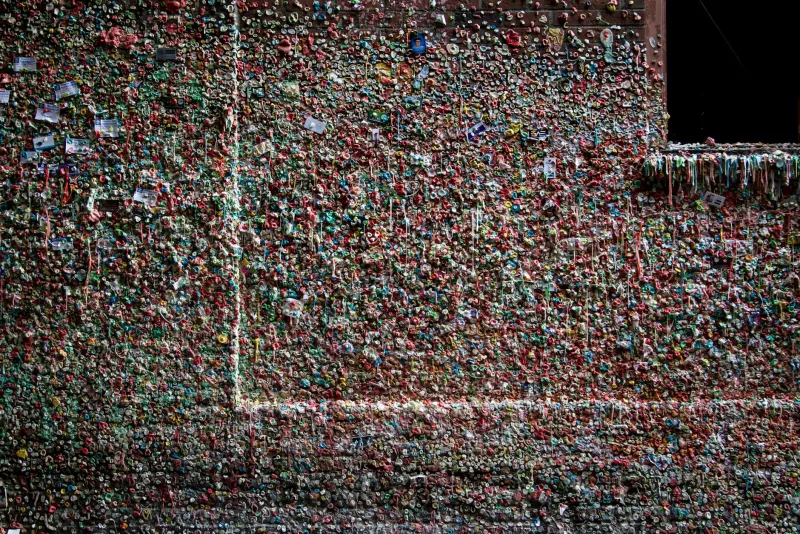
The habit also created uniquely American etiquette challenges. Where do you dispose of chewed gum? Is it appropriate to blow bubbles in public? Can you chew gum during a job interview? These questions didn't exist before Adams' accidental invention created the need for gum-specific social norms.
The Modern Legacy
Today's chewing gum industry would be unrecognizable to Thomas Adams, but it still relies on his fundamental insight that people enjoy chewing for its own sake. Modern gums use synthetic polymers instead of chicle, can deliver medications or vitamins, and are designed to be environmentally friendly. Some gums are marketed for their cognitive benefits, others for their ability to freshen breath or whiten teeth.
The global gum market is now worth over $32 billion annually, with Americans still leading consumption at nearly 300 sticks per person per year. What began as Santa Anna's desperate attempt to fund a political comeback and Adams' failed rubber experiment has become one of the world's most persistent consumer habits.
The Accidental Empire
Thomas Adams never intended to change American culture when he agreed to help a disgraced general turn tree sap into rubber. But his willingness to experiment with failure led to one of the most successful accidental inventions in history. Santa Anna never got his army, but he inadvertently helped create an industry that has brought more joy to more people than most military campaigns.
The next time you unwrap a piece of gum, remember that you're participating in a habit that began with a failed business scheme and an inventor's curious mouth. Sometimes the best discoveries come not from achieving what you set out to do, but from paying attention when your experiments go wonderfully wrong.