The Sweet Conspiracy: How Big Candy Hijacked Halloween and Invented Trick-or-Treating
The Halloween That Wasn't Sweet
If you'd celebrated Halloween in 1940, you probably wouldn't recognize it. The holiday was primarily about mischief—overturned outhouses, soaped windows, and elaborate pranks that often crossed into vandalism. Children might receive homemade treats from neighbors they knew personally, but organized door-to-door candy collection was virtually unknown.
Trick-or-treating as Americans know it today didn't exist as a widespread practice until the late 1940s. What we consider an ancient tradition was actually engineered by an unlikely alliance of candy manufacturers, suburban real estate developers, and parent groups who wanted to transform Halloween from a night of chaos into a controlled, profitable celebration.
The Problem of Postwar Pranks
World War II had interrupted most Halloween celebrations, but when the holiday returned in 1946, the pranks had escalated. Teenage boys who'd spent the war years without normal social outlets unleashed years of pent-up energy in increasingly destructive Halloween mischief. Police departments across the country reported property damage, minor injuries, and community tensions that made Halloween more feared than fun.
Suburban developers had a particular problem. The new planned communities sprouting across America featured pristine lawns, fresh paint, and homeowners who'd invested their life savings in the American Dream. Halloween vandalism threatened these investments and the community harmony that made suburbs attractive to families.
The Candy Industry's Brilliant Solution
In 1947, the National Confectioners Association launched what they called the "Halloween Safety Campaign," but it was really a masterpiece of social engineering. The industry had identified a massive business opportunity: Halloween fell during their slowest sales period, right between summer candy sales and Christmas confections.
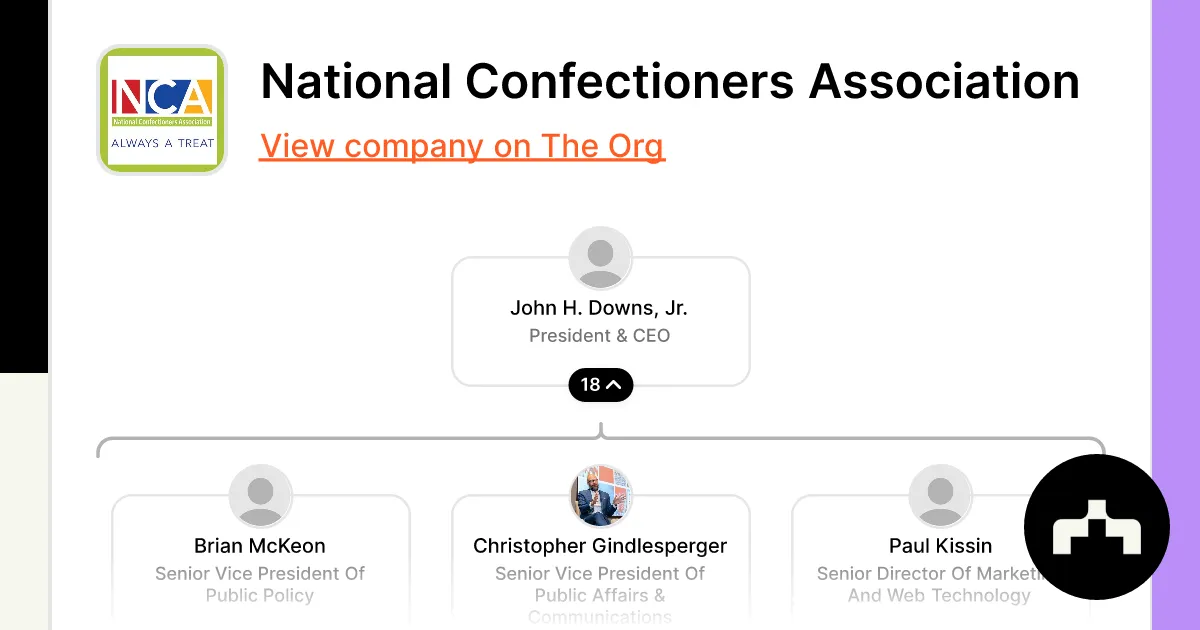 Photo: National Confectioners Association, via cdn.theorg.com
The campaign promoted trick-or-treating as a "safe, supervised alternative" to Halloween pranks. Candy companies distributed millions of pamphlets to parent groups, schools, and civic organizations explaining how organized door-to-door visiting could channel children's Halloween energy into harmless fun. The materials came with detailed scripts for parents and suggested candy purchasing guidelines that coincidentally maximized industry profits.
Most cleverly, the campaign positioned candy-giving as a patriotic duty. Postwar America was obsessed with community building and wholesome family activities. The candy industry framed trick-or-treating as a way to strengthen neighborhood bonds while teaching children proper social behavior.
Suburbia's Perfect Partnership
Suburban developers embraced the trick-or-treating concept because it solved their vandalism problem while showcasing their communities' family-friendly atmosphere. Planned neighborhoods like Levittown began organizing official trick-or-treating events, complete with designated hours, safety guidelines, and community coordination.
The suburban layout was perfect for the new tradition. Unlike urban neighborhoods with apartment buildings and commercial districts, suburban streets featured single-family homes with front doors, driveways, and residents who knew each other. Trick-or-treating became a way for new suburban communities to create instant traditions and shared experiences.
Real estate marketers quickly recognized trick-or-treating's value as a selling point. Advertisements for suburban developments began featuring Halloween imagery, promising families a place where their children could safely participate in this "traditional American celebration."
The Media Amplification Machine
By 1950, women's magazines, television shows, and newspapers had fully embraced the trick-or-treating narrative. Publications like Good Housekeeping and Ladies' Home Journal featured elaborate articles about Halloween entertaining, costume making, and candy selection—all sponsored by confectionery companies and suburban lifestyle brands.
 Photo: Good Housekeeping, via 1000logos.net
Television was crucial to the transformation. Early TV shows like "The Adventures of Ozzie and Harriet" and "Leave It to Beaver" featured Halloween episodes that depicted trick-or-treating as a normal, expected activity. These shows reached millions of families simultaneously, creating shared cultural expectations about how Halloween "should" be celebrated.
The media campaign was so successful that by 1955, most Americans believed trick-or-treating was an ancient tradition their grandparents had enjoyed. In reality, their grandparents had probably spent Halloween avoiding pranksters, not distributing candy to costumed children.
The Numbers Don't Lie
The transformation was remarkably rapid and profitable. In 1940, Americans spent approximately $2 million on Halloween candy. By 1960, that figure had exploded to over $50 million annually. Today, Halloween candy sales exceed $12 billion, making it the second-largest confectionery sales period after Easter.
Police reports show the campaign's effectiveness in reducing Halloween vandalism. Cities that actively promoted trick-or-treating saw Halloween-related property damage drop by over 60% between 1950 and 1960. The candy industry had successfully replaced destruction with consumption.
The Tradition That Wasn't
What makes this story remarkable isn't just that a corporate marketing campaign created a beloved tradition—it's how completely that corporate origin has been forgotten. Americans now view trick-or-treating as a timeless custom, when it's actually younger than many of their grandparents.
The Halloween transformation demonstrates how quickly manufactured traditions can become "authentic" when they serve multiple interests simultaneously. Candy companies got a new sales season, suburbs got safer neighborhoods, parents got controlled fun for their children, and kids got free candy. Everyone won, except perhaps the historians trying to explain why a "ancient" tradition has such suspiciously recent origins.
The next time you buy Halloween candy or watch costumed children walk through suburban neighborhoods, remember: you're witnessing one of the most successful corporate social engineering projects in American history, disguised as innocent fun.