The Original Chewers
Thousands of years before Wrigley's Spearmint hit drugstore shelves, Mayan civilizations in Central America were harvesting chicle—a latex-like sap from sapodilla trees—and chewing it for hours. They called it "cha," and unlike modern gum, it served no practical purpose beyond satisfying an inexplicable human urge to chew.
The ancient Greeks had their own version using mastic tree resin, and various cultures worldwide discovered that certain tree saps provided the perfect texture for extended chewing. But none of these early gum-chewers could have predicted that their simple habit would eventually become synonymous with American culture.
When Spanish conquistadors encountered Mayan chicle-chewing in the 16th century, they dismissed it as another primitive custom. European society had no framework for understanding recreational chewing—it seemed pointless, even barbaric. This cultural disconnect would persist for centuries, until American entrepreneurs saw dollar signs where others saw strange behavior.
The Failed Rubber Dreams
The modern chewing gum industry began with a spectacular failure. In the 1860s, former Mexican general Antonio López de Santa Anna (yes, the same Santa Anna from the Alamo) was living in exile on Staten Island, dreaming of funding a return to power. His plan involved selling chicle to American manufacturers as a cheaper alternative to rubber.
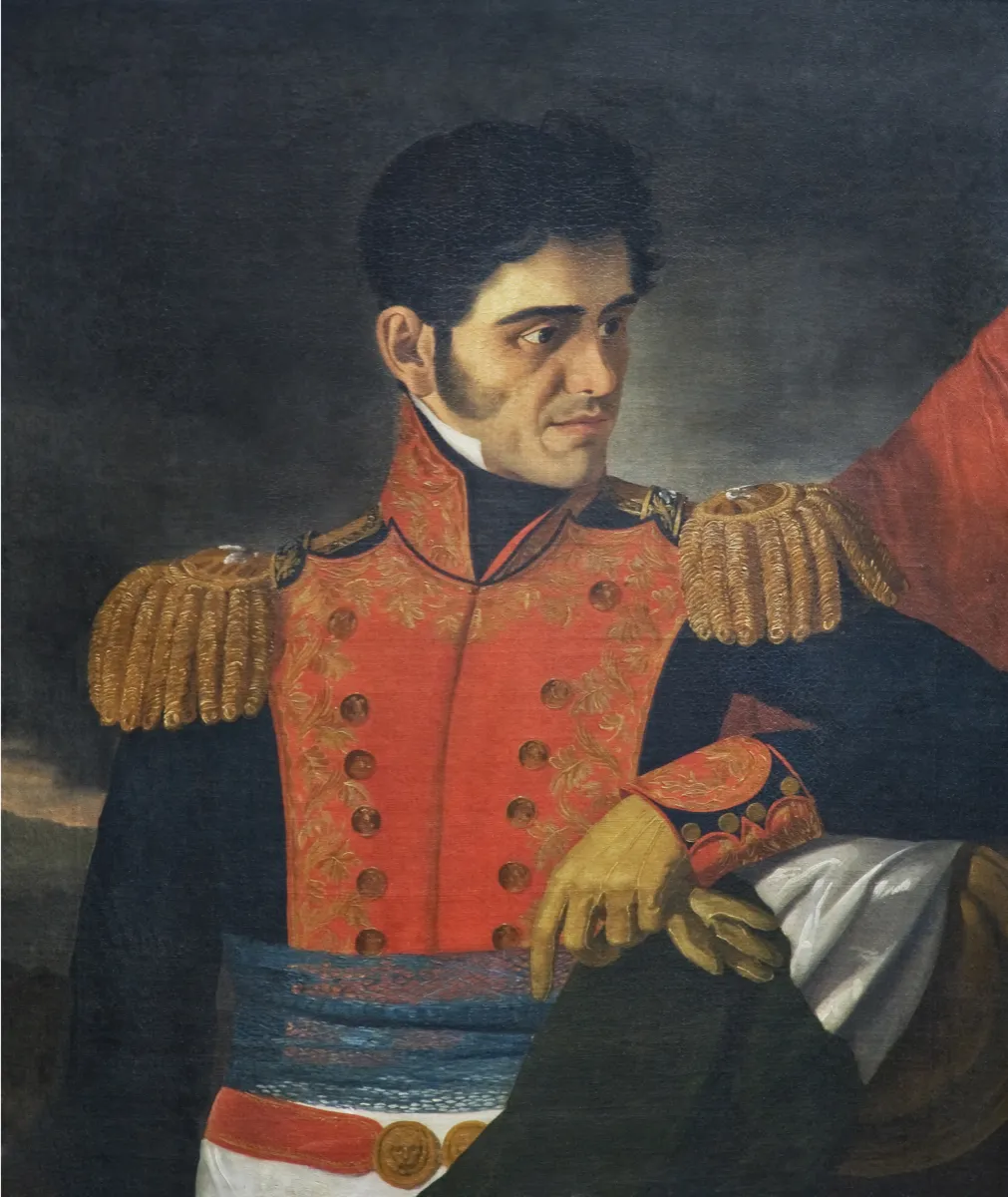 Photo: Antonio López de Santa Anna, via cdn.calendarz.com
Santa Anna partnered with inventor Thomas Adams, who spent months trying to vulcanize chicle into useful rubber products. Every experiment failed. The chicle wouldn't hold its shape, wouldn't maintain elasticity, and seemed completely unsuitable for any practical application. Adams was ready to dump his entire chicle supply when he noticed something odd: his son kept chewing small pieces of the failed rubber substitute.
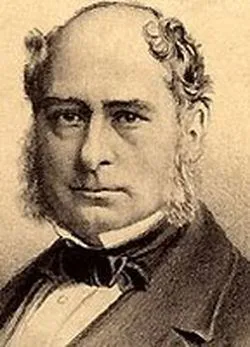 Photo: Thomas Adams, via alchetron.com
The lightbulb moment came when Adams remembered seeing Mexican children chewing chicle during his travels. If Americans couldn't use chicle to make rubber, maybe they could be taught to chew it for pleasure. In 1871, Adams began selling small balls of unflavored chicle at drugstores, marketing them simply as "chewing gum."
The Flavor Revolution
Early American chewing gum was essentially flavorless chicle that became progressively less appealing the longer you chewed it. The breakthrough came when manufacturers began experimenting with flavor additives, starting with simple extracts like peppermint and wintergreen.
William Wrigley Jr. transformed the industry in the 1890s by treating gum as a confection rather than a novelty. His Juicy Fruit and Spearmint varieties used consistent flavoring and aggressive marketing to create brand loyalty. Wrigley understood something other manufacturers missed: Americans weren't just buying gum—they were buying a portable, repeatable experience.
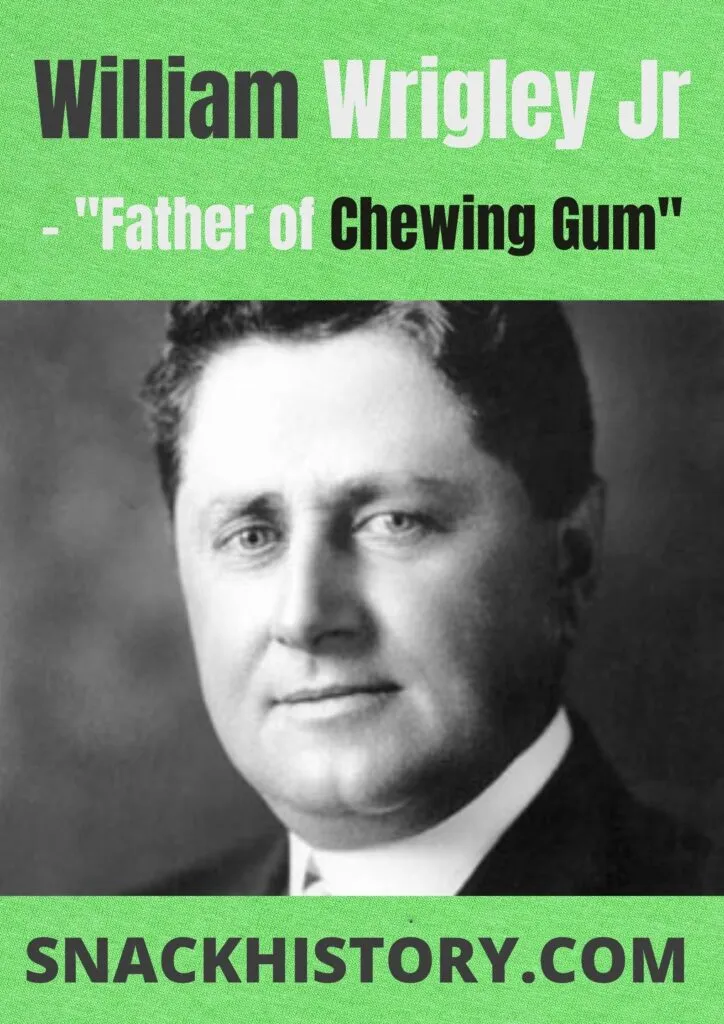 Photo: William Wrigley Jr., via www.snackhistory.com
The real innovation was making gum that maintained its flavor and texture for extended chewing sessions. This required moving beyond natural chicle to synthetic bases that could hold flavoring oils and provide consistent texture. By 1900, American gum manufacturers had essentially engineered the perfect chewing experience.
Wartime Morale Booster
World War I transformed chewing gum from a popular confection into a patriotic necessity. The U.S. military included gum in soldier rations, discovering that it helped maintain oral hygiene, provided stress relief, and gave troops something to do during long periods of waiting.
American soldiers introduced gum-chewing to European populations who had never seen anything like it. French and British civilians were fascinated by the American habit of chewing something without swallowing it. Gum became one of the most requested items in care packages, and American manufacturers could barely keep up with military demand.
World War II cemented gum's association with American identity. The military distributed billions of pieces to troops worldwide, and gum-chewing became so identified with American GIs that enemy propaganda often mocked it as a symbol of American frivolity. Ironically, this mockery only strengthened gum's position as a distinctly American cultural marker.
The Global Ambassador
Post-war America exported many cultural products worldwide, but few were as immediately recognizable as the gum-chewing American. Hollywood movies spread the image of Americans casually popping bubbles or working their jaws in a rhythmic chewing motion that seemed uniquely American to foreign audiences.
The association became so strong that American tourists in the 1950s and 1960s were often identified by their gum-chewing habits before they even spoke. European etiquette guides warned that Americans might offer gum in social situations, and advised on polite ways to decline what many considered an uncouth American custom.
This cultural export wasn't accidental. American gum companies actively marketed overseas, positioning their products as symbols of American prosperity and freedom. Chewing gum represented the American approach to pleasure: casual, democratic, and available to everyone regardless of social class.
From Banned to Beloved
The path to acceptance wasn't smooth. Many American schools, churches, and public buildings banned gum-chewing well into the 20th century, viewing it as disrespectful and unsanitary. The problem wasn't the chewing itself—it was what happened when people finished chewing.
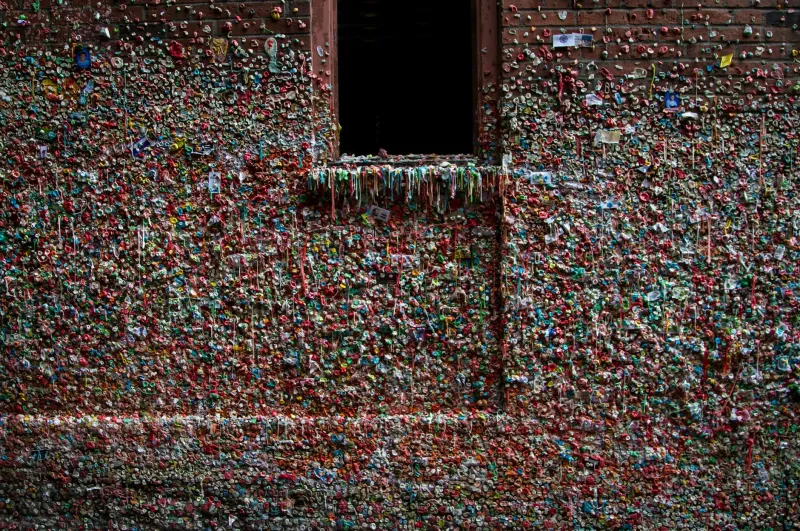
Improperly disposed gum became a maintenance nightmare for building owners and city planners. Sidewalks, theater seats, and school desks bore the sticky evidence of America's gum habit. Some cities considered banning gum sales entirely, and certain establishments still prohibit gum-chewing today.
Despite these challenges, gum-chewing gradually gained social acceptance as manufacturers improved disposal options and public awareness campaigns promoted responsible gum use. By the 1970s, chewing gum was fully integrated into American social norms, no longer seen as crude or inappropriate in most settings.
The Billion-Dollar Habit
Today, Americans consume roughly 300 sticks of gum per person annually, supporting a multi-billion-dollar industry that extends far beyond simple chicle and flavoring. Modern gum includes everything from teeth-whitening agents to nicotine delivery systems, transforming a simple chewing habit into a sophisticated consumer product category.
The industry that began with Santa Anna's failed rubber scheme now encompasses sugar-free varieties, functional gums that claim health benefits, and premium products that cost more per ounce than fine chocolate. What started as tree sap has become one of America's most successful cultural and commercial exports.
The next time you unwrap a piece of gum, remember that you're participating in a tradition that connects ancient Mayan forests to modern American innovation, proving that sometimes the most pointless human habits become the most enduring cultural signatures.